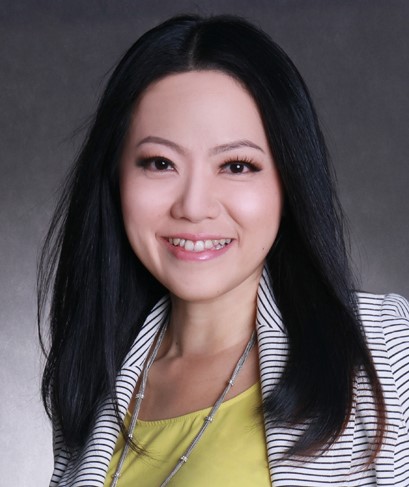
Samantha Peiling Yang Singapore

Dr Yang obtained her medical degree from the National University of Singapore and received her Endocrinology training at the National University Hospital, Singapore, followed by a thyroid cancer fellowship at Memorial Sloan Kettering Cancer Centre, New York, where she was involved in clinical research in thyroid cancer. Through the pursuit of translational research, she aims to utilize personalized medicine in the clinical care of patients with cytologically-indeterminate thyroid nodules and RAI-refractory thyroid cancers. She has validated the ThyroSeq test performance in Singapore and also showed that the molecular test was a stronger predictor of malignancy than clinical parameters. She is studying regulatory mechanisms of sodium-iodide symporter in thyroid cancers with the aim of using therapeutics to optimize RAI uptake. She is the principal investigator for a re-differentiation therapy clinical trial in RAI-refractory metastatic thyroid cancer patients.

20 MARCH

Time Session
08:30
11:30
  • Jung Hwan BaekSouth Korea Speaker Standard and Advanced Techniques for Thyroid RFAThermal ablation, especially radiofrequency ablation (RFA), is promising technique not only for benign thyroid nodules but also for thyroid cancers. In various thyroid tumors, RFA effectively improves tumor-related symptoms and cosmetic problems by reducing tumor volume. RFA is recently adopted to recurrent and primary thyroid cancers. In terms of complication, major complication rate was reported as 1.4% - 8% according to the types, locations and size of the thyroid tumors. Therefore, proper techniques and experience of operators are key factors to achieve effective and safe RFA. To maximize efficacy and to minimize complications, the Korean Society of Thyroid Radiology Guidelines (KSThR Guidelines 2012, 2017, and 2025) recommend the use of standard techniques; the perithyroidal lidocaine injection to control pain, trans-isthmic approach, moving-shot technique and hydrodissection (HD) technique. Furthermore, KSThR Guidelines recommend advanced techniques, such as vascular ablation, bolus injection of cold water (to manage nerve damage problems) or tracheal stent assisted RFA. In this lecture, therefore I will introduce various standard and advanced techniques to maximize the ablation zone and to minimize injury of surrounding critical structures. Furthermore, I will briefly touch “how to combine proper device and techniques” for thyroid RFA.The Efficacy and Safety of RFA for PTMC in Long-Term Cohort Study: Do Above and BeyondThe incidence of thyroid cancer has increased not only in Korea, but in worldwide. This situation is mainly due to an increase in the over detection of small papillary thyroid carcinomas (PTCs) using high-resolution ultrasonography (US). Almost all newly detected thyroid cancers are small papillary thyroid cancers (PTCs), while the incidence of large PTCs and aggressive histological types has remained stable. In addition, mortality of thyroid cancer has remained stable in Korea. Therefore, several studies have suggested over-diagnosis of small thyroid cancers, especially papillary thyroid microcarcinomas (PTMC). Since the majority of PTMCs progress slowly and show excellent outcome and considering the drawbacks of surgery including voice change or hypoparathyroidism, it is time to re-evaluate the role of surgery (especially immediate surgery) for all biopsy proven PTMCs. According to publications from South Korea and other countries, the incidence of thyroid carcinoma had increased 15-fold between 1993 and 2011; however, its mortality rate did not decrease. Moreover, the number of patients who suffered from surgical complications increased significantly. Considering the exceedingly low disease-specific mortality rate of PTMCs and the potential complications of thyroidectomy, it is imperative to consider alternative management strategies for PTMC management. Therefore, this lecture will review the current oncologic outcome (in both short and long-term follow-up studies) of thermal ablation in PTMC and compare it with the results of active surveillance and surgery.
  • Hendra ZufryIndonesia Speaker The Efficacy and Safety of Thyroid RFA: The Latest UpdatesRadiofrequency ablation (RFA) of the thyroid has emerged as a minimally invasive alternative to surgery for benign cystic and solid nodules, low risk papillary thyroid microcarcinoma (PTMC), and recurrent thyroid cancer. Standardized training and international guidelines have facilitated its global adoption. Long term efficacy and safety data position thyroid RFA as a primary treatment compared with other thermal techniques. In recurrent thyroid cysts, RFA achieves a mean volume reduction ratio (VRR) of 87 ± 11.6 % after one session, outperforming ethanol ablation. For benign solid nodules, a single treatment yields 98.8 % VRR at ten year follow up. Larger nodules (> 20 mL) or multinodular goiters often require multiple sessions to optimize shrinkage, cosmesis, and symptom relief. Autonomous thyroid nodules (ATNs) under 30 mL demonstrate rapid VRR and early TSH normalization, while larger ATNs reach approximately 70 % VRR by six months, correlating with euthyroidism. In indeterminate Bethesda III nodules with low suspicion ultrasound features, RFA delivers 87.4 % VRR at one year in surgery averse patients; Bethesda IV lesions achieve 94.9 ± 6.1 % VRR. In low risk PTMC, RFA produces 100 % VRR without disrupting thyroid function over two years, offering an alternative to active surveillance. Early stage papillary thyroid cancers (T1a/T1b) show 99.31 % VRR at 48 months, with higher disappearance rates in T1a. In recurrent papillary carcinoma, RFA attains 100 % VRR and comparable disease free survival to reoperation, with fewer complications. A case of recurrent cervical medullary carcinoma reported 68.6 % VRR at six months. Complication rates are low. Pre procedural risks include lidocaine toxicity; intra procedural events comprise pain, hematoma, burns, and transient voice changes; post procedural issues may involve mild thyroid dysfunction, discomfort, or rare nodule rupture. These events are generally mild and non–life threatening. Optimal outcomes depend on meticulous patient preparation, advanced electrode design, precise anatomic knowledge, judicious anesthesia, and high operator proficiency in basic and advanced RFA techniques. Patient satisfaction scores are consistently high, reflecting improved quality of life and favorable aesthetic outcomes. Key Word : Thyroid RFA, Efficacy, Safety Profile, Long term Data.
  • Kai-Lun ChengTaiwan Speaker How to Manage Complications of Thyroid RFA
    Chia-Luen HuangTaiwan Moderator Group instructions Thyroid tumor is one of the most common endocrine abnormalities, and its incidence has been steadily rising over recent decades. While traditional treatments often involve surgery and active surveillance, advancements in minimally invasive techniques have introduced radiofrequency ablation (RFA) and microwave ablation (MWA) as a viable alternative. The workshop delves into the role of radiofrequency ablation and other minimally intervention therapies in treating thyroid tumors, highlighting its benefits, procedures, and considerations.
  • Wei-Che LinTaiwan Speaker RFA for Structural Abnormality of Parathyroid Gland : A Novel Entity and Technique AdvancesTitle: Radiofrequency Ablation for Structural Abnormality of Parathyroid Gland: A Novel Entity and Technique Advances Background: Traditional management of parathyroid structural abnormalities, primarily primary or secondary hyperparathyroidism and symptomatic parathyroid adenomas, has historically centered on surgical excision. However, the emergence of minimally invasive image-guided interventions has introduced Radiofrequency Ablation (RFA) as a potent alternative. As we define this "novel entity" of non-surgical structural correction, understanding the technical nuances and clinical outcomes is paramount. Objective: This study evaluates the efficacy, safety, and recent technical advancements of RFA in treating structural parathyroid abnormalities, focusing on volume reduction and biochemical normalization. Methods: A comprehensive review of recent clinical cohorts was conducted, focusing on patients undergoing ultrasound-guided RFA. Key technical advancements—including hydrodissection for thermal protection of the recurrent laryngeal nerve and the moving-shot technique for precise energy delivery—were analyzed. Success was measured by the reduction in parathyroid hormone (PTH) levels, serum calcium stabilization, and nodule volume shrinkage. Results: Current data indicate that RFA achieves a significant volume reduction rate (VRR) often exceeding 80% within 12 months. Procedural success, defined by the resolution of hypercalcemia or significant PTH drops, was observed in over 90% of cases. Notably, the integration of real-time contrast-enhanced ultrasound (CEUS) has significantly reduced incomplete ablation rates. Complication rates remained low, with transient voice changes occurring in less than 3% of patients, most of which resolved spontaneously. Conclusion: RFA represents a paradigm shift in the treatment of parathyroid structural abnormalities. With refined techniques like hydrodissection and improved imaging guidance, it offers a high-safety profile and excellent cosmetic outcomes. As a "novel entity" in endocrine intervention, RFA stands as a viable alternative for patients who are poor surgical candidates or those seeking a nephron-sparing, minimally invasive approach.
    Chia-Luen HuangTaiwan Moderator Group instructions Thyroid tumor is one of the most common endocrine abnormalities, and its incidence has been steadily rising over recent decades. While traditional treatments often involve surgery and active surveillance, advancements in minimally invasive techniques have introduced radiofrequency ablation (RFA) and microwave ablation (MWA) as a viable alternative. The workshop delves into the role of radiofrequency ablation and other minimally intervention therapies in treating thyroid tumors, highlighting its benefits, procedures, and considerations.
201DE
10:30
12:00
Preoperative Thyroid Nodule Diagnosis
Chia-Hung LinTaiwan Moderator Novel Biomarkers and Treatment Strategies in Thyroid Eye DiseaseThyroid Eye Disease (TED), also known as Graves' orbitopathy, remains a complex autoimmune condition that significantly impacts patients' vision and quality of life. Traditionally, management has relied mainly on non-specific anti-inflammatory therapies. However, as our understanding of its molecular pathogenesis evolves, there is an increasing clinical demand for more precise diagnostic tools and targeted therapeutic interventions. This presentation provides a comprehensive overview of the current landscape and future directions in the management of TED. We will discuss the emergence of novel serum and molecular biomarkers that offer potential for earlier diagnosis and more accurate prediction of disease progression. These biomarkers may bridge the gap between clinical observation and underlying immunological activity. Furthermore, we will explore the shift in treatment paradigms, moving from conventional systemic corticosteroids toward innovative biological agents. By targeting specific signaling pathways involved in orbital inflammation and remodeling, these new strategies aim to provide more effective and durable clinical outcomes. The integration of novel biomarkers and advanced treatment modalities is reshaping the management of TED. Moving toward a more individualized approach will allow clinicians to optimize therapeutic timing and selection, ultimately improving the long-term prognosis for patients with this challenging condition.
  • Guodong FuCanada Speaker Preoperative Molecular Testing for Thyroid NodulesTitle: Preoperative Quantitative Molecular Testing for a Definitive Cancer Diagnosis among Patients with Thyroid Nodules Objective: Molecular testing is increasingly used in the assessment of thyroid nodules. Tumors harboring the same genomic variant may not behave the same because a gene variant is not expressed equally in tumor cells among patients. This study is to delineate interpatient variabilities in genomic variants in thyroid tumors and assess their diagnostic significance in definitive thyroid cancer diagnosis. Methods: Interpatient differences in BRAF V600E, TERT promoter, and RAS variants (ie, NRAS, HRAS, and KRAS) were analyzed in residual thyroid fine-needle aspiration (FNA) biopsies and compared with surgical histopathologic diagnoses. Malignancy rates, sensitivity, specificity, positive predictive values (PPV), and negative predictive values (NPV) were calculated. Results: This retrospective study enrolled 620 patients (470 [75.8%] female; mean [SD] age, 50.7 [15.9] years), including 438 surgically resected thyroid tumors and 249 thyroid nodule FNA biopsies. Of 438 tumors, 178 (40.6%) and 58 (13.2%) carcinomas were detected with interpatient variabilities of BRAF V600E and TERT promoter variants (C228T and C250T), with variant allele fraction (VAF) levels ranging from 0.03% to 48.56% and 0.13% to 54.74%, respectively. Furthermore, 89 (20.3%) were identified with the presence of RAS variants, including 51 (11.6%) with NRAS, 29 (6.6%) with HRAS, and 9 (2.1%) with KRAS, with VAF levels ranging from 0.15% to 51.53%. VAF assays of 249 residual FNA specimens identified 50 specimens (20.1%) with BRAF V600E, 25 FNAs (10.0%) with TERT promoter variants, and 36 specimens (14.5%) with RAS variants with interpatient variabilities (including 23 FNAs [9.2%] with NRAS, 10 FNAs [4.0%] with HRAS, and 3 FNAs [1.2%] with KRAS). Interpatient differences in the 5 gene variants (NRAS, HRAS, KRAS, BRAF, and TERT) were detected in 54 of 126 indeterminate FNAs (42.9%) and 18 of 76 ND FNAs (23.7%). Compared with the 5 gene variants detected in the matched surgical specimens, VAF assays on residual FNA biopsies exhibited a high agreement (κ = 0.80; P < .001) and demonstrated a sensitivity of 87.1% (95% CI, 69.2%-95.8%), specificity of 92.5% (95% CI, 78.5%-98.0%), PPV of 90.0% (95% CI, 72.3%-97.4%), and NPV of 90.2% (95% CI, 75.9%-96.8%). Conclusions: This diagnostic study delineated that quantitative discrimination of interpatient variabilities in genomic variants could facilitate cytology examinations in preoperative precision malignancy diagnosis among patients with thyroid nodules.
  • Samantha Peiling YangSingapore Speaker Harnessing Molecular Diagnostics in Cytologically-Indeterminate Thyroid NodulesCytologically indeterminate thyroid nodules (Bethesda III–IV) remain a common diagnostic challenge, as cytology alone cannot reliably distinguish benign from malignant disease. Molecular diagnostic tests have emerged as important adjuncts to refine malignancy risk and guide clinical management. This presentation reviews the molecular landscape of thyroid cancer relevant to indeterminate nodules, including key somatic alterations such as BRAF, RAS, and gene fusions (e.g., RET, NTRK, ALK), and discusses the performance of contemporary molecular diagnostic tests. Data from North America and emerging real-world experience in Singapore will be highlighted. The clinical utility of molecular diagnostics in reducing unnecessary diagnostic surgery and informing the extent of surgical management will be discussed, together with current guidance from the ATA 2025 guidelines on integrating molecular results with clinical, radiologic, and cytopathologic findings. Re-Differentiation Therapy in RAI-Refractory Thyroid CancerRadioactive iodine (RAI) therapy remains a cornerstone in the management of differentiated thyroid cancer. However, a subset of patients develop RAI-refractory disease due to loss of iodine-handling gene expression, including the sodium–iodide symporter (NIS). This loss is frequently associated with activation of the MAPK signalling pathway driven by oncogenic alterations such as BRAF and RAS mutations. While systemic therapy with multi-targeted or mutation-specific tyrosine kinase inhibitors (TKIs) can control disease progression, these treatments are generally not curative and do not consistently restore RAI sensitivity. Re-differentiation therapy has emerged as a promising strategy to restore iodine uptake by targeting MAPK signalling and re-inducing thyroid-specific gene expression. This presentation will review the biological rationale for re-differentiation therapy and summarize key clinical studies evaluating BRAF and MEK inhibition in patients with RAI-refractory thyroid cancer. Emerging approaches, optimal treatment duration, and potential predictors of response will also be discussed, highlighting the potential of re-differentiation therapy to restore the therapeutic benefit of RAI in selected patients.
  • Kiyomi HoriuchiJapan Speaker Preoperative Diagnosis of Thyroid Cancer
102
13:10
13:40
Diabetes Mellitus
  • Jenny GuntonAustralia Speaker Closing the Type 2 Diabetes Gap in Cardiovascular and Renal DiseasePeople with type 2 diabetes die, on average, 6-7 years earlier. This is mostly due to excess cardiovascular events. This presentation will discuss options for lowering cardiovascular and renal risk in people with type 2 diabetes.Managing Hyperglycaemia in Patients Receiving Immune Checkpoint InhibitorsIt is estimated that >20% of people treated with Immune Checkpoint Inhibitors (ICI) for their cancer will experience new or worsening hyperglycaemia. This presentation will discuss the differential diagnoses for the cause of hyperglycaemia in people treated with ICI and treatment strategies
102
13:50
15:20
AI in Endocrinology
Miyuki KataiJapan Moderator From the Bedside to the Digital World: Precision Medicine in Endocrinology with Al and ICTPrecision medicine in endocrinology must account for biological variability, life-course hormonal transitions, and sociocultural determinants of health. However, in routine clinical practice, endocrine disorders are often detected only after prolonged symptomatic periods, particularly when symptoms are nonspecific or overlap with normal physiological transitions. Our work originates from bedside clinical challenges. In developing and operating a comprehensive women’s specialty clinic grounded in sex-specific medicine—representing an innovative clinical model in Japan—we evaluated more than 5,000 women. Among patients who presented to our clinic with a prior diagnosis of menopausal disorders, organic diseases were identified in 27%. Thyroid dysfunction accounted for approximately 15% of cases initially attributed to menopausal disorders. These findings suggest that menopausal diagnoses may contribute to delayed recognition of underlying diseases. Among conditions masked by such symptoms, endocrine disorders were frequently identified, likely because many endocrine diseases require additional targeted laboratory testing for definitive diagnosis. Within endocrine disorders, thyroid dysfunction was particularly prevalent in women. To address this unmet need, we developed the Women’s AI Symptom Evaluator (WaiSE), a digital platform designed to visualize multidimensional symptom patterns using AI-assisted structured questionnaires. WaiSE was developed to support detection of a broad spectrum of underrecognized conditions in women, including endocrine disorders such as thyroid disease. Importantly, these digital tools help women recognize and articulate complex autonomic symptom patterns commonly experienced during menopausal transitions, thereby enabling clinicians to better interpret symptom presentations and facilitating earlier detection of endocrine disorders. The platform is supported by a gender-specific clinical database derived from over 5,000 patients and more than 60,000 consultations, enabling symptom–diagnosis correlation modeling and development of sex-informed diagnostic algorithms. Building upon this clinical and digital foundation, we have recently initiated an integrated endocrine screening strategy through collaboration with the AI-based Thyroid Screening (AITS) platform. We collaborated with Cosmic Corporation, the developer of the AI-based Thyroid Screening (AITS) system. AITS is an AI-based screening system that analyzes routine blood test results obtained in general screening programs, including health checkups, to estimate the likelihood of thyroid dysfunction. The integrated WaiSE–AITS system combines patient-reported symptom assessment through WaiSE with objective clinical indicators derived from AITS to assist in identifying individuals who may require additional thyroid function testing. The integrated system is being developed with the aim of future regulatory approval as Software as a Medical Device (SaMD). This integrated platform can be utilized in clinical practice settings as well as in health screening programs and occupational health settings, demonstrating feasibility in capturing real-world symptom data beyond hospital-centered care. The combined system is designed as a physician-supervised clinical decision-support tool intended to assist healthcare professionals in identifying patients who may benefit from further thyroid evaluation, while maintaining physician responsibility for final diagnostic decisions. This presentation highlights the clinical background, digital innovation process, and emerging collaborative screening strategies, demonstrating how bedside endocrinology can evolve into digitally supported precision care incorporating a life-course approach for women. Acknowledgements:This research was supported by AMED (Grant Number: JP21gk0210024h9903) and by grants from METI, Japan.
Ye-Fong DuTaiwan Moderator Psychological Burden in Diabetes: Understanding Distress and Its Clinical ImpactDiabetes distress represents the emotional burden arising from the daily demands of diabetes self-management and is conceptually distinct from major depressive disorder. Large-scale epidemiological studies indicate that 20–40% of people with diabetes experience clinically significant distress, making it one of the most prevalent psychological complications of diabetes. A growing body of longitudinal evidence demonstrates that diabetes distress is strongly associated with poor glycemic control, reduced treatment adherence, unhealthy dietary and physical activity patterns, and lower engagement with healthcare services. Importantly, diabetes distress predicts future deterioration in HbA1c independent of depressive symptoms, suggesting that it is a direct and modifiable determinant of metabolic outcomes rather than a mere emotional comorbidity. Interventional studies show that structured diabetes education, psychosocial counseling, and digital health–based self-management support can significantly reduce diabetes distress and are accompanied by improvements in glycemic control and self-efficacy. These findings highlight the bidirectional relationship between psychological burden and metabolic regulation. In the era of precision medicine and digital diabetes care, systematic screening and targeted management of diabetes distress should be integrated into routine clinical practice to optimize both psychological well-being and long-term cardiometabolic outcomes.
  • Argon ChenTaiwan Speaker Advancement in AI Applications to Thyroid Nodule Detection and EvaluationDiagnosing thyroid cancer remains challenging due to overlapping imaging features between benign and malignant nodules, inherent limitations of current diagnostic tools, and substantial interobserver variability among clinicians. Although ultrasound is the first-line modality for thyroid nodule evaluation, interpretations of the same images often differ across physicians. The Thyroid Imaging Reporting and Data System (TI-RADS) was developed to standardize malignancy risk assessment; however, considerable variability in its application persists in clinical practice. Artificial intelligence (AI) is increasingly transforming thyroid cancer diagnosis by enhancing accuracy, efficiency, and consistency in clinical decision-making. By leveraging machine learning and deep learning techniques, AI-based systems offer new opportunities to reduce subjectivity in ultrasound interpretation and support more personalized patient care. This talk will focus on recent advances in AI-assisted ultrasonographic detection and characterization of thyroid nodules. Specifically, we will present evidence from Multi-Reader Multi-Case (MRMC) performance studies demonstrating how AI can improve diagnostic accuracy and inter-reader consistency across different TI-RADS guidelines. We will also compare the consistency of nodule interpretation across ultrasound systems between AI algorithms and human readers. Finally, a live demonstration of the AI software will illustrate its performance using ultrasound images from a wide spectrum of benign and malignant thyroid nodules.
  • Yi-Jing SheenTaiwan Speaker Electronic Dashboard-Based Remote Glycemic Management Program Reduces Length of Stay and Readmission Rate among Hospitalized AdultsBackground: Inpatient dysglycemia is strongly associated with prolonged length of stay (LOS), increased readmission rates, and higher healthcare costs. Traditional consultation-based models are often insufficient for institution-wide glycemic quality improvement. With advances in electronic medical records (EMRs), real-time digital surveillance offers a scalable solution. We implemented a hospital-wide remote glycemic management program to evaluate its impact on glycemic control and clinical outcomes. Methods: Building on our previously published framework, this institution-wide before-and-after study was conducted in a 1,500-bed tertiary medical center using data from 2016 to 2019 (106,528 hospitalized adults; 878,159 glucose measurements). The core intervention utilized an EMR-integrated dashboard to identify hyper-/hypoglycemia in real-time, enabling endocrinologists to provide daily virtual recommendations without formal consultation. Key components included automated risk stratification, real-time alerts, and department-specific performance feedback. Primary outcomes were LOS and 30-day readmission rates. Analyses were performed using Poisson and joinpoint regression with multivariable adjustment. Results: Program implementation resulted in consistent and clinically significant improvements in hospital-wide glycemic metrics. Rapid improvement in treat-to-target rates was observed within 3–6 months of initiating virtual recommendations. Clinical Outcomes: The program was associated with a significant reduction in LOS, independent of age, sex, and admission department. Notably, patients with high glucose variability exhibited the longest LOS, identifying glycemic instability as a key driver of resource utilization. Furthermore, 30-day readmission rates decreased significantly, particularly among patients achieving stable euglycemia. Operational Efficiency & Pandemic Resilience: As glycemic quality improved, the time required for daily virtual recommendations decreased from ~2 hours to <1 hour. The program significantly reduced the need for formal consultations. Crucially, this established remote workflow proved vital during the COVID-19 pandemic, minimizing clinician exposure and preserving personal protective equipment (PPE) while maintaining high-quality glycemic care without disruption. Conclusion: Integrating real-time EMR-based surveillance with remote endocrinologist-led intervention significantly improves inpatient glycemic control, translating into measurable reductions in LOS and 30-day readmission rates. This model has demonstrated sustained efficacy extending into the COVID-19 era and beyond, proving that an electronic dashboard-based system is a scalable, resilient, and resource-efficient strategy for modern hospital care.
  • Jae Hoon MoonSouth Korea Speaker A New Era of Managing Thyroid Eye Disease: AI-Based Quantitative Monitoring and Precision CareThyroid Eye Disease (TED) is the most common extrathyroidal manifestation of autoimmune thyroid dysfunction, occurring in approximately 30% to 50% of patients with Graves’ disease. While endocrinologists primarily manage thyroid dysfunction, TED can severely impact a patient’s quality of life through vision loss, diplopia, and cosmetic concerns, necessitating active early intervention. Consequently, it is crucial for clinicians to be proficient in basic TED assessments for early diagnosis; however, many endocrinologists remain unfamiliar with these evaluations, which often leads to delayed treatment. To usher in a new era of managing TED, a paradigm shift toward AI-based quantitative monitoring and precision care is explored in this session. Fundamental assessment methods, including the Clinical Activity Score (CAS), exophthalmos, and Margin-Reflex-Distance 1 (MRD1), will be introduced alongside clinical cases where AI-driven solutions provide objective and reproducible data. These cutting-edge tools go beyond simple diagnostic assistance by quantitatively tracking disease progression and treatment response, thereby facilitating highly personalized treatment plans. By integrating these innovative AI solutions, a comprehensive approach to TED management is presented, demonstrating how technology and innovation converge to solve long-standing clinical challenges and improve patient outcomes.
201DE
16:30
17:10
Vincent WuTaiwan Moderator From Taiwan to the World: The TAIPAI Journey Transforming Primary AldosteronismPrimary aldosteronism (PA) is an increasingly recognized cause of secondary hypertension, affecting an estimated 5%-15% of hypertensive patients. This condition, once thought to be rare, is now understood to be a relatively common contributor to high blood pressure, particularly in cases resistant to standard antihypertensive therapies. PA arises primarily from either bilateral adrenal hyperplasia or an aldosterone-producing adenoma. The pathophysiology of PA is characterized by excessive and autonomous secretion of aldosterone, an adrenal hormone that plays a critical role in regulating blood pressure and fluid balance. Diagnosing PA involves a multi-step process, beginning with screening tests to identify at-risk individuals, followed by confirmatory tests, and finally, subtype differentiation to determine the specific cause of the condition. Screening is especially recommended for patients who present with certain risk factors, such as resistant hypertension, unexplained hypokalemia, or an onset of hypertension at a young age (under 40 years). Family history of PA, early signs of target organ damage, the presence of an adrenal incidentaloma, obstructive sleep apnea, unexplained atrial fibrillation, and psychosomatic symptoms are also significant indicators warranting screening. Additionally, patients with hypertension but no other comorbidities should be evaluated for PA, as it could be the underlying cause. PA does not occur in isolation; it is often found to coexist with Mild Autonomous Cortisol Secretion (MACS). This co-occurrence presents a more complex clinical picture, as MACS can further aggravate the cardio-renal-vascular complications already associated with PA. Moreover, it can contribute to abnormalities in glucose metabolism, increasing the risk of diabetes and other metabolic disorders. One of the key challenges in the diagnosis and management of PA, particularly when MACS is present, lies in accurately interpreting the aldosterone-to-cortisol ratios during adrenal venous sampling, a critical step in subtype differentiation.
  • Mitsuhide NaruseJapan Speaker Update in Primary AldosteronismPrimary aldosteronism (PA) is linked to significantly greater cardiovascular morbidity and mortality than essential hypertension, yet it offers a more favorable prognosis when appropriately treated. Early detection and targeted therapy are therefore essential for achieving optimal long-term outcomes and preserving quality of life. Since the release of the Endocrine Society’s guidelines in 2010, several countries—including Japan—have developed national recommendations (e.g., Endocrine Journal, 2021). This reflects growing awareness and research momentum, with over 3,500 publications in the past decade. In Japan, we have established a national PA registry and conducted multicenter studies under the Japan Primary Aldosteronism Study (JPAS), supported by AMED, resulting in more than 40 publications as Japan-originated evidence. Diagnostic protocols have become increasingly standardized, encompassing initial screening, confirmatory testing, subtype classification via adrenal venous sampling (AVS), and tailored treatment—mineralocorticoid receptor (MR) antagonists for bilateral PA and adrenalectomy for unilateral PA. The integration of PA screening into routine hypertension care, alongside the standardization of diagnostic methods, has led to substantial improvements in clinical practice. However, key challenges remain. These include variability in assay methods (e.g., PRA vs. ARC for renin; CLEIA vs. RIA for aldosterone), which affects diagnostic thresholds; uncertainty regarding optimal cutoffs for screening and confirmatory tests; lack of consensus on AVS protocols (with or without cosyntropin); and ongoing debates over the role of non-invasive imaging and advanced surgical approaches (laparoscopic vs. robot-assisted adrenalectomy). These unresolved issues warrant evaluation through a cost-effectiveness lens. As PA diagnostics become increasingly integrated into hypertension management, a fundamental question emerges: How far should we go in diagnosing PA? This presentation will provide an updated overview of clinical practice and address these critical challenges in PA management.Do We Still Need Confirmatory Testing?
18:00
18:30
  • Takashi AkamizuJapan Speaker History of AOCEThe 1st Asian-Oceanian Congress of Endocrinology (AOCE) was held in Kyoto in 1959, one year prior to the 1st International Congress of Endocrinology (ICE). Subsequently, the AOCE was held every four years until the 16th Congress in Yogyakarta, Indonesia, in 2018. Subsequently, AOCE shifted to a biennial schedule, with the 17th AOCE scheduled for Seoul, South Korea in 2020. However, the 18th AOCE was inevitably held online due to the COVID-19 pandemic. Now is an opportune moment to reflect on AOCE's history and move forward toward future development.
101

21 MARCH

Time Session
08:30
10:00
New Development in Thyroid Cancer Management
Guodong FuCanada Moderator Preoperative Molecular Testing for Thyroid NodulesTitle: Preoperative Quantitative Molecular Testing for a Definitive Cancer Diagnosis among Patients with Thyroid Nodules Objective: Molecular testing is increasingly used in the assessment of thyroid nodules. Tumors harboring the same genomic variant may not behave the same because a gene variant is not expressed equally in tumor cells among patients. This study is to delineate interpatient variabilities in genomic variants in thyroid tumors and assess their diagnostic significance in definitive thyroid cancer diagnosis. Methods: Interpatient differences in BRAF V600E, TERT promoter, and RAS variants (ie, NRAS, HRAS, and KRAS) were analyzed in residual thyroid fine-needle aspiration (FNA) biopsies and compared with surgical histopathologic diagnoses. Malignancy rates, sensitivity, specificity, positive predictive values (PPV), and negative predictive values (NPV) were calculated. Results: This retrospective study enrolled 620 patients (470 [75.8%] female; mean [SD] age, 50.7 [15.9] years), including 438 surgically resected thyroid tumors and 249 thyroid nodule FNA biopsies. Of 438 tumors, 178 (40.6%) and 58 (13.2%) carcinomas were detected with interpatient variabilities of BRAF V600E and TERT promoter variants (C228T and C250T), with variant allele fraction (VAF) levels ranging from 0.03% to 48.56% and 0.13% to 54.74%, respectively. Furthermore, 89 (20.3%) were identified with the presence of RAS variants, including 51 (11.6%) with NRAS, 29 (6.6%) with HRAS, and 9 (2.1%) with KRAS, with VAF levels ranging from 0.15% to 51.53%. VAF assays of 249 residual FNA specimens identified 50 specimens (20.1%) with BRAF V600E, 25 FNAs (10.0%) with TERT promoter variants, and 36 specimens (14.5%) with RAS variants with interpatient variabilities (including 23 FNAs [9.2%] with NRAS, 10 FNAs [4.0%] with HRAS, and 3 FNAs [1.2%] with KRAS). Interpatient differences in the 5 gene variants (NRAS, HRAS, KRAS, BRAF, and TERT) were detected in 54 of 126 indeterminate FNAs (42.9%) and 18 of 76 ND FNAs (23.7%). Compared with the 5 gene variants detected in the matched surgical specimens, VAF assays on residual FNA biopsies exhibited a high agreement (κ = 0.80; P < .001) and demonstrated a sensitivity of 87.1% (95% CI, 69.2%-95.8%), specificity of 92.5% (95% CI, 78.5%-98.0%), PPV of 90.0% (95% CI, 72.3%-97.4%), and NPV of 90.2% (95% CI, 75.9%-96.8%). Conclusions: This diagnostic study delineated that quantitative discrimination of interpatient variabilities in genomic variants could facilitate cytology examinations in preoperative precision malignancy diagnosis among patients with thyroid nodules.
Won Gu KimSouth Korea Moderator Advances in the Treatment of Radioactive Iodine-Refractory Differentiated Thyroid Cancer: Multikinase Inhibitors and Beyond – An Asian PerspectiveDifferentiated thyroid cancer (DTC) arising from follicular cells generally has a good prognosis; however, about 5-10% of patients experience recurrence or distant metastasis. High-dose radioactive iodine (RAI) therapy is the mainstay of treatment for metastatic DTC, but its efficacy depends on the iodine avidity of the tumor. Iodine uptake of metastatic lesions tends to decline over time, and ultimately, around 60-70% of metastatic cases become refractory to RAI therapy. Patients whose metastases remain RAI-avid have a median survival approaching 10 years, whereas those with RAI-refractory disease have a roughly 10% of 10 10-year survival. Because the clinical course of RAI-refractory DTC is variable, it is critical to determine which patients should receive systemic therapy with a tyrosine kinase inhibitor (TKI) and how to integrate local treatment before and during systemic therapy. TKIs such as sorafenib and lenvatinib, which primarily inhibit tumor angiogenesis, have been approved. The DECISION trial reported that sorafenib achieved a median progression-free survival (PFS) of 10.8 months compared with 5.8 months in the control group. The SELECT trial showed that lenvatinib achieved a median PFS of 18.3 months versus 3.6 months in controls. Based on these results, sorafenib and lenvatnib are now widely used as the first-line treatments for patients with RAI-refractory DTC who have progressive or symptomatic metastatic disease. A recent multi-center real-world study in Korea suggested that lenvatinib provides better efficacy and longer PFS (median 35.3 months) than sorafenib (median 13.3 months, p<0.001). However, lenvatinib is also associated with higher rates of adverse events such as hypertension (95%) and proteinuria (80%). These TKIs show activity irrespective of the underlying genetic alterations that drive thyroid cancer. Recently, selective NTRK and RET inhibitors have been developed for solid tumors harboring NTRK or RET gene fusions, and their efficacy has been confirmed in clinical trials. In addition, genetic testing to identify actionable mutations is increasingly being incorporated into practice, and personalized treatment approaches are reflected in current clinical guidelines. A recent Korean multicenter study found that approximately 31% of patients with RAI-refractory thyroid cancer who had wild-type BRAF carried targetable gene fusions. The choice and sequencing of TKI, the optimal timing of their use, strategies to prevent and manage adverse events, and individualized treatment plans based on patient characteristics will be crucial for improving clinical outcomes in patients with RAI-refractory thyroid cancer.
  • Chih-Yuan WangTaiwan Speaker Obesity 2026 updateObesity remains one of the most critical and rapidly evolving global health challenges entering 2026, characterized by persistently rising prevalence, expanding clinical consequences, and profound societal and economic impacts. Over the past three decades, the prevalence of overweight and obesity has more than doubled among adults and increased nearly threefold among children and adolescents worldwide, driven by complex interactions between genetic susceptibility, obesogenic environments, sedentary lifestyles, dietary transitions toward energy-dense ultra-processed foods, and broader socio-economic determinants. Projections indicate that, if current trends continue, more than half of the global adult population and a substantial proportion of children will be living with obesity within the next two decades, with particularly rapid increases occurring in low- and middle-income countries undergoing nutritional and urban transitions. This epidemiologic shift has translated into a marked escalation in obesity-related non-communicable diseases, including type 2 diabetes, cardiovascular disease, chronic kidney disease, non-alcoholic fatty liver disease, osteoarthritis, and several obesity-associated malignancies, positioning excess adiposity as a leading contributor to global morbidity, mortality, and disability-adjusted life years. Alongside the growing disease burden, the conceptual framework of obesity has undergone important refinement. While body mass index remains a pragmatic population-level screening tool, its limitations in capturing adiposity distribution and metabolic risk have prompted international efforts to redefine obesity as a chronic, relapsing disease characterized by excess or dysfunctional adipose tissue with heterogeneous clinical expression. Emerging diagnostic paradigms increasingly emphasize waist-based measures, ectopic fat accumulation, and the presence of obesity-related complications, distinguishing pre-clinical obesity from clinically manifest disease and enabling more precise risk stratification and individualized management. Therapeutically, the obesity landscape has been transformed by advances in incretin-based pharmacotherapy, particularly glucagon-like peptide-1 receptor agonists and dual or multi-agonist agents, which have demonstrated unprecedented and sustained weight reduction alongside meaningful improvements in cardiometabolic outcomes. The recent development of effective oral formulations further expands treatment accessibility and has the potential to improve long-term adherence, although challenges related to cost, equity, and health-system implementation remain substantial. Importantly, pharmacotherapy alone is insufficient to address the obesity epidemic, and contemporary management strategies emphasize multimodal, life-course approaches integrating nutritional therapy, physical activity promotion, behavioral and psychological interventions, digital health technologies, and, when appropriate, metabolic and bariatric surgery, tailored to individual risk profiles and comorbidity burdens. At the population level, global policy initiatives increasingly recognize that obesity is not solely an individual responsibility but a systems-driven condition requiring coordinated action across healthcare, education, food systems, urban planning, and regulatory environments to create supportive contexts for healthy living. Concurrently, ongoing research continues to elucidate the complex pathophysiology of obesity, including the roles of genetics, epigenetics, gut microbiota, neuroendocrine regulation, and adipose tissue inflammation, while implementation science seeks to bridge gaps between evidence and real-world practice. Collectively, the 2026 obesity update portrays a paradoxical landscape of escalating global burden alongside unprecedented scientific and therapeutic progress, underscoring that meaningful and sustainable impact will depend on integrating biomedical innovation with structural policy reform, equitable access to care, and sustained public health commitment to reverse current trajectories and improve outcomes across the lifespan.Long-Term Changes of Urinary Exosomal Peptide Levels after Thyroidectomy in Patients with Thyroid Cancer: A Prospective Observational StudyIn this prospective observational study, we investigated whether longitudinal changes in urinary exosomal peptide profiles after thyroidectomy could predict recurrence risk in patients with papillary thyroid cancer, a disease with reported recurrence rates of up to 30%. Adults older than 20 years with newly diagnosed papillary thyroid cancer who had undergone thyroidectomy were enrolled, and urine samples were collected at 12 months after study entry and again one year later for exosomal peptide identification and comparison. Seventy patients were included and stratified according to the interval between surgery and enrollment (<5 years, 5–10 years, and >10 years). During the two-year follow-up after enrollment, no recurrences were observed. Across groups and time intervals, there were no significant differences in serum protein levels or urinary exosomal peptide concentrations, and established high-risk clinical factors showed only weak correlations with these biomarkers. Collectively, these findings delineate the long-term basal fluctuation ranges of serum proteins and urinary exosomal peptides in post-thyroidectomy thyroid cancer survivors, suggesting that biomarker levels remaining within these ranges may be indicative of a lower long-term risk of recurrence in high-risk patients following thyroidectomy.
  • Chen-Kai ChouTaiwan Speaker Salvage Radiofrequency Ablation Followed by External Beam Radiotherapy for Inoperable Recurrent Differentiated Thyroid Cancer
  • Samantha Peiling YangSingapore Speaker Harnessing Molecular Diagnostics in Cytologically-Indeterminate Thyroid NodulesCytologically indeterminate thyroid nodules (Bethesda III–IV) remain a common diagnostic challenge, as cytology alone cannot reliably distinguish benign from malignant disease. Molecular diagnostic tests have emerged as important adjuncts to refine malignancy risk and guide clinical management. This presentation reviews the molecular landscape of thyroid cancer relevant to indeterminate nodules, including key somatic alterations such as BRAF, RAS, and gene fusions (e.g., RET, NTRK, ALK), and discusses the performance of contemporary molecular diagnostic tests. Data from North America and emerging real-world experience in Singapore will be highlighted. The clinical utility of molecular diagnostics in reducing unnecessary diagnostic surgery and informing the extent of surgical management will be discussed, together with current guidance from the ATA 2025 guidelines on integrating molecular results with clinical, radiologic, and cytopathologic findings. Re-Differentiation Therapy in RAI-Refractory Thyroid CancerRadioactive iodine (RAI) therapy remains a cornerstone in the management of differentiated thyroid cancer. However, a subset of patients develop RAI-refractory disease due to loss of iodine-handling gene expression, including the sodium–iodide symporter (NIS). This loss is frequently associated with activation of the MAPK signalling pathway driven by oncogenic alterations such as BRAF and RAS mutations. While systemic therapy with multi-targeted or mutation-specific tyrosine kinase inhibitors (TKIs) can control disease progression, these treatments are generally not curative and do not consistently restore RAI sensitivity. Re-differentiation therapy has emerged as a promising strategy to restore iodine uptake by targeting MAPK signalling and re-inducing thyroid-specific gene expression. This presentation will review the biological rationale for re-differentiation therapy and summarize key clinical studies evaluating BRAF and MEK inhibition in patients with RAI-refractory thyroid cancer. Emerging approaches, optimal treatment duration, and potential predictors of response will also be discussed, highlighting the potential of re-differentiation therapy to restore the therapeutic benefit of RAI in selected patients.
201BC
11:10
11:50
Vivien LimSingapore Moderator The Danger of Obesity in South East Asia and Practical Tips in the Clinic Obesity is steadily increasing in South East Asia (SEA) and with it comes complications naturally follow from it - metabolic, physical and mental. The talk will touch on the following: - the prevalence of this and the changes over time - the rising burden of it - practical tips that can aid in the clinic including busting myths and misconceptions that hamper its management
  • Dolores ShobackUnited States Speaker Update in OsteoporosisMany issues in osteoporosis management are challenging in clinical practice. Factors in fracture risk assessment include those in the FRAX algorithm as well as imminent fracture risk in the next 1-5 years. Highest risk individuals benefit most from aggressive therapies targeted to increase bone mineral density (BMD) and reduce fracture rates as rapidly as possible to enhance bone strength. Sequential therapeutic strategies with repeated courses of both anabolic and antiresorptive treatments are becoming the norm for highest risk patients. Yet clinicians are often without trial data to predict clinical outcomes. Bisphosphonate treatment holidays are often employed to allow for a return of bone remodeling with the goal of microdamage repair and avoiding oversuppression of turnover. Yet the duration and monitoring of such treatment interruptions have not been rigorously established. The safety and efficacy of repeated courses of anabolic agents in the lifespan of a patient have not been well studied. The biologic basis for achieving effective BMD responses in sequential therapy is not known. Despite the long use of denosumab and bisphosphonates in clinical care, how to interrupt safely, and how to sequence these therapies most effectively are not known. Rebound increases in bone remodeling after stopping treatment with the RANK-ligand inhibitor denosumab and the challenges of treating patients with advanced chronic kidney disease with denosumab remain unsolved. The bifunctional monoclonal antibody to sclerostin romosozumab, while potent at increasing BMD due to its anabolic and antiresorptive actions, may have off-target cardiovascular adverse effects. Patients who are obese or with diabetes using GLP1 receptor agonists and SGLT2 inhibitors have risks to bone health with rapid weight loss and or direct effects on bone. Ultimately, clinicians must make decisions on patient management based on individual risk assessment and anticipated pathophysiology of the low BMD and risk in that patient.Challenging Parathyroid CasesThis session will review cases of primary, secondary and tertiary hyperparathyoidism and their management. The recommendations for screening patients with possible MEN1 and its manifestations will be reviewed. The role for parathyroid autotransplantation in the management of MEN1 hyperparathyroidism and in postsurgical hypoparathyroidism will be reviewed. A newly released form of parathyroid hormone (PTH) replacement will be discussed in the setting of chronic hypoparathyroidism in adults. Palopegteriparatide has been released for the treatment of chronic hypoparathyroidism and has shown strong efficacy on the control of the biochemical parameters (serum and urine calcium levels, serum phosphate, the Ca x phosphate product) as well as on the quality of life. Updated guidance on considering the use of PTH replacement is being developed and will be discussed. Additionally, the role combined functional and structural localization of parathyroid tissue(s) in the setting of recurrent primary hyperparathyroidism will be reviewed.
101
11:50
12:30
  • Huey-Kang SytwuTaiwan Speaker Exploring the World of Autoimmune Disease: from Genetic Manipulation to Disease ReversalAbstract for Asia Oceania Congress of Endocrinology 2026 Huey-Kang Sytwu1 2 1 National Institute of Infectious Diseases and Vaccinology, National Health Research Institutes, Taiwan 2 Department of Microbiology and Immunology, National Defense Medical University, Taiwan TITLE: Exploring the world of autoimmune disease: From genetic manipulation to disease reversal Abstract: Insulin-dependent diabetes mellitus (IDDM) is a T cell-mediated autoimmune disease. To delineate the protective roles of some immune modulatory molecules, such as soluble decoy receptor 3 (DcR3), cytotoxic T lymphocyte antigen 4 (CTLA4), program death ligand 1 and 2 (PD-L1 and 2), heme oxygenase 1 (HO-1), and chemokine receptor D6 in the autoimmune process and to search for potential preventive and/or therapeutic targets in this disease, we have generated (a) insulin promoter (pIns)-sDcR3 transgenic non-obese diabetic (NOD) mice, (b) pIns-single chain anti-CTLA4 transgenic NOD mice, (c) pIns-single chain anti-4-1BB transgenic NOD mice, (d) pIns-PD-L1 transgenic NOD mice, (e) pIns-HO-1 transgenic NOD mice, and (f) pIns-D6 transgenic NOD mice and demonstrated their immunomodulatory potential and underlying mechanisms. Meanwhile, to explore the modulatory potential of interleukin-12, 23 and 27 on autoimmune diabetes, we have generated following transgenic, knockout and knockdown NOD mice: (1) Th1 and Th2 doubly transgenic (2) IL-12 knockout (3) IL-23 knockdown (4) IL-27 knockdown NOD mice. Our results revealed that 20% IL-12-deficient NOD mice still developed autoimmune diabetes, the diabetic incidence of IL-23 knockdown NOD mice is lower than that of control littermates, and the number and percentage of Th1 cells are dramatically decreased and Th17 cells are increased in IL-27 knockdown mice, indicating a differential role of IL-12 cytokine family in modulating Th1 and Th17 cell development during autoimmune diabetogenic process. Previously, we demonstrated that overexpression of B lymphocyte-induced maturation protein-1 (Blimp-1) in T cells decreases IL-21 expression and suppresses autoimmune diabetes, whereas, lacking Blimp-1 in T cells upregulates IL-21 and results in severe colitis and autoimmune encephalomyelitis in NOD mice. Here, we further illustrated that Blimp-1 represses IL-21 by reducing chromatin accessibility and evicting an IL-21 activator, c-Maf on its promoter. Moreover, an IL-21-accelerating autoimmune diabetogenesis in SUMO-defective c-Maf transgenic mice can be overridden by Blimp-1 overexpression-mediated reduction of permissive chromatin structures at Il21 locus. We also explored the fundamental mechanisms by which a high-salt diet (HSD) affects susceptibility to or modifies autoimmune diseases. we generated T-cell–specific STE20/SPS1-related proline/alanine–rich kinase (SPAK) knockout NOD mice and demonstrated that SPAK deficiency in T cells significantly attenuated diabetes development in NOD mice by downregulating IL-21 expression in CD4+ T cells. Furthermore, HSD-triggered diabetes acceleration was abolished in HSD-fed SPAK knockout mice when compared with HSD-fed NOD mice, suggesting an essential role of SPAK in salt-exacerbated T-cell pathogenicity. Finally, by using gain- and loss-of-function approaches, we demonstrated that T cell-specific Mgat5 overexpression-induced higher tetra-antennary N-glycans exacerbate autoimmune diabetes, whereas mutant Mgat5L188R-associated tetra-antenna deficiency completely prevents disease in a CD8+ T cell-dependent manner. Making full use of these unique mouse strains, we are quantitatively and qualitatively investigating the immunopathogenic mechanisms of autoimmune diabetes and providing valuable information for the development of novel immunotherapies.
101
13:30
15:00
  • Angela M. LeungUnited States Speaker Key Highlights of the American Thyroid Association Thyroid and Pregnancy GuidelinesThis session will present the key highlights of the American Thyroid Association 2026 guidelines for thyroid disease in preconception, pregnancy, and postpartum that have been published by a multidisciplinary group of experts with global perspective. The discussion will provide an overview of the methodology used to prepare these updated guidelines in partnership with and endorsed by several other collaborating societies. The presentation will cover the most notable changes and new recommendations surrounding thyroid function testing, iodine nutrition, infertility and assisted reproductive techniques, hypothyroidism, hyperthyroidism (including Graves’ disease), thyroid nodules, and thyroid cancers for women planning pregnancy, are pregnant, or seen for postpartum care.Thyroid Risks of Iodine ExcessIodine is a micronutrient that is required for the production of thyroid hormone. Iodine is commonly obtained from consuming an iodine-rich diet or iodine-fortified foods, amiodarone use, iodine-containing supplements, and iodinated contrast media. This session will review the potential forms of thyroid dysfunction arising from an acute iodine load, due to the failure to escape from the Wolff-Chaikoff effect and to the Jod-Basedow phenomenon. The risks of iodine excess in vulnerable populations, and current guidelines regarding the screening and monitoring of iodinated contrast-induced thyroid dysfunction, will be summarized.
  • Marjorie A. RamosPhilippines Speaker Precision Medicine in Gestational Thyroid Disease: Taking Care of Mother and BabyPrecision medicine is revolutionizing the management of thyroid disorders in pregnancy by emphasizing individualized diagnosis, trimester-specific reference ranges, and tailored treatment strategies. Thyroid dysfunction is the second most common endocrine abnormality during gestation which poses significant risks to both maternal and fetal health, including miscarriage, preterm delivery, and impaired neurodevelopment. Guidelines now emphasize routine screening in high-risk populations, with tailored management protocols based on trimester-specific TSH and free T4 targets. For hypothyroidism, levothyroxine therapy is initiated early and titrated to maintain TSH in the lower half of the trimester-specific reference range, while hyperthyroidism is managed with antithyroid drugs at the lowest effective dose to minimize fetal risks. Recent updates to clinical guidelines highlight recommendations, including the importance of shared decision-making for women with Graves’ disease, and a shift from antibody-based to timing-based criteria for the treatment of subclinical hypothyroidism. These updates reflect evolving evidence from large randomized trials and systematic reviews, underscoring the need for flexibility and individualization in clinical practice. Future directions in precision medicine include the integration of genetic and molecular profiling to predict disease risk, response to therapy, and long-term outcomes. Machine learning and artificial intelligence are also being explored to enhance diagnostic accuracy and personalize prevention strategies for high-risk subgroups. By combining cutting-edge diagnostics with tailored therapeutic interventions, precision medicine aims to maximize maternal and fetal well-being, reduce adverse outcomes, and improve the overall quality of care for pregnant women with thyroid disorders. This presentation will review the latest evidence, guideline updates, and future innovations in precision medicine for gestational thyroid disease, providing clinicians with practical tools and insights for optimizing patient management in clinical practice and research settings
  • Fan-Fen WangTaiwan Speaker Iodine Status in Pregnant Women in TaiwanIn the 1940’s, endemic goiter was the fifth most common disease in Taiwan. Then, in 1967, an island-wide salt-iodization campaign using 33 ppm potassium iodate was started. Four years after implementation of the campaign, goiter rates among schoolchildren had decreased from 21.6% to 4.3%, suggesting successful elimination of iodine deficiency. However, the mandatory salt iodization policy was discontinued in 2002. In recent surveys, the iodine nutrition status of the overall Taiwanese population has been found to be sufficient, but is at borderline level in pregnant women. Socioeconomic, environmental factors contribute to the incident iodine deficiency in subgroups. While about 92% of pregnant women in Taiwan take nutritional supplements, only about 49% take iodine-containing multi-vitamins. The iodine content of daily meals in Taiwan is currently under investigation, to support targeted dietary education and food fortification programs, which are indicated to improve the iodine status of pregnant women in Taiwan.
101
15:10
15:50
Alice KongHong Kong, China Moderator Obesity: What Clinicians Should KnowRapid changes in technology, human behavior and lifestyle over the past few decades have resulted in a dramatic increase in the prevalence of obesity worldwide. Besides social stigmata and psychological consequences, obesity is associated with escalated risks of type 2 diabetes, coined the term "Diabesity", hypertension, dyslipidemia, sleep apnoea, metabolic dysfunction-associated steatotic liver disease (MASLD), formerly known as non-alcoholic fatty liver disease (NAFLD), polycystic ovarian syndrome, cancers, cardiovascular diseases and increased mortality. Body mass index (BMI) is a commonly adopted tool to identify people with obesity. Clinicians should note that the cutoff points of BMI for clinical actions are different between people with obesity from the East and the West, as well as the limitations of BMI in diagnosing obesity. Recently, the Lancet Diabetes and Endocrinology Commission proposed a new definition of obesity which differentiates excess adiposity with obesity-related illness (clinical obesity) from those without obesity-related diseases (pre-clinical obesity). Also, people with clinical obesity have many unmet needs requiring personalized treatment regimens, intensive counselling and emotional support. The 5 A's framework including Ask, Assess, Advise, Agree and Assist, provide a patient-centred approach to promote lasting behavioral change in obesity management. In addition to lifestyle modifications and behavioral changes, pharmacological agents for weight reduction, bariatric and metabolic surgeries are therapeutic options requiring careful selections for the appropriate patients with adequate counselling of the risks and benefits. Through case sharing approach, the use of weight reducing drugs and surgical strategies for people with preclinical and clinical obesity will be discussed in this session. Acknowledgement: The work described in this lecture was partially supported by funding from Health and Medical Research Fund (HMRF), Food and Health Bureau, Hong Kong SAR, China (Reference number:21223391), Matching Grant from Research Grants Council (reference number: 8601556), and Area of Excellence Scheme, Research Grants Council, Hong Kong SAR, China (Reference number: AoE/M-401/24-R). Obesity Management: What's New?Obesity is a global health hazard with rising prevalence in most parts of the world. Weight reduction by lifestyle modification remains the cornerstone in the prevention and treatment of obesity. However, weight management by lifestyle therapy alone is difficult to sustain in many obese individuals with rebound of body weight being observed as a common phenomenon. Given the invasiveness of bariatric and metabolic surgeries which are not accepted by many people with obesity, the use of pharmacological agents in weight management is increasingly popular. In 2025, the Lancet Diabetes and Endocrinology Commission proposed a new definition of obesity which differentiates excess adiposity with obesity-related illness (clinical obesity) from those without obesity-related diseases (pre-clinical obesity). Among the various obesity complications, diabetes is well recognized to be closely related to obesity, with the term 'Diabesity' coined to show the strong link between these two important modifiable risk factors of cardiovascular disease and premature death. In recent decades, many new generation anti-diabetic drugs are developed and found to have weight reducing properties. Looking ahead, more new drugs are in the pipeline of clinical trials, and the results may eventually change the landscape of obesity management. Acknowledgement: The work described in this lecture was partially supported by funding from Health and Medical Research Fund (HMRF), Food and Health Bureau, Hong Kong SAR, China (Reference number:21223391), Matching Grant from Research Grants Council (reference number: 8601556), and Area of Excellence Scheme, Research Grants Council, Hong Kong SAR, China (Reference number: AoE/M-401/24-R).
  • Chih-Yuan WangTaiwan Speaker Obesity 2026 updateObesity remains one of the most critical and rapidly evolving global health challenges entering 2026, characterized by persistently rising prevalence, expanding clinical consequences, and profound societal and economic impacts. Over the past three decades, the prevalence of overweight and obesity has more than doubled among adults and increased nearly threefold among children and adolescents worldwide, driven by complex interactions between genetic susceptibility, obesogenic environments, sedentary lifestyles, dietary transitions toward energy-dense ultra-processed foods, and broader socio-economic determinants. Projections indicate that, if current trends continue, more than half of the global adult population and a substantial proportion of children will be living with obesity within the next two decades, with particularly rapid increases occurring in low- and middle-income countries undergoing nutritional and urban transitions. This epidemiologic shift has translated into a marked escalation in obesity-related non-communicable diseases, including type 2 diabetes, cardiovascular disease, chronic kidney disease, non-alcoholic fatty liver disease, osteoarthritis, and several obesity-associated malignancies, positioning excess adiposity as a leading contributor to global morbidity, mortality, and disability-adjusted life years. Alongside the growing disease burden, the conceptual framework of obesity has undergone important refinement. While body mass index remains a pragmatic population-level screening tool, its limitations in capturing adiposity distribution and metabolic risk have prompted international efforts to redefine obesity as a chronic, relapsing disease characterized by excess or dysfunctional adipose tissue with heterogeneous clinical expression. Emerging diagnostic paradigms increasingly emphasize waist-based measures, ectopic fat accumulation, and the presence of obesity-related complications, distinguishing pre-clinical obesity from clinically manifest disease and enabling more precise risk stratification and individualized management. Therapeutically, the obesity landscape has been transformed by advances in incretin-based pharmacotherapy, particularly glucagon-like peptide-1 receptor agonists and dual or multi-agonist agents, which have demonstrated unprecedented and sustained weight reduction alongside meaningful improvements in cardiometabolic outcomes. The recent development of effective oral formulations further expands treatment accessibility and has the potential to improve long-term adherence, although challenges related to cost, equity, and health-system implementation remain substantial. Importantly, pharmacotherapy alone is insufficient to address the obesity epidemic, and contemporary management strategies emphasize multimodal, life-course approaches integrating nutritional therapy, physical activity promotion, behavioral and psychological interventions, digital health technologies, and, when appropriate, metabolic and bariatric surgery, tailored to individual risk profiles and comorbidity burdens. At the population level, global policy initiatives increasingly recognize that obesity is not solely an individual responsibility but a systems-driven condition requiring coordinated action across healthcare, education, food systems, urban planning, and regulatory environments to create supportive contexts for healthy living. Concurrently, ongoing research continues to elucidate the complex pathophysiology of obesity, including the roles of genetics, epigenetics, gut microbiota, neuroendocrine regulation, and adipose tissue inflammation, while implementation science seeks to bridge gaps between evidence and real-world practice. Collectively, the 2026 obesity update portrays a paradoxical landscape of escalating global burden alongside unprecedented scientific and therapeutic progress, underscoring that meaningful and sustainable impact will depend on integrating biomedical innovation with structural policy reform, equitable access to care, and sustained public health commitment to reverse current trajectories and improve outcomes across the lifespan.Long-Term Changes of Urinary Exosomal Peptide Levels after Thyroidectomy in Patients with Thyroid Cancer: A Prospective Observational StudyIn this prospective observational study, we investigated whether longitudinal changes in urinary exosomal peptide profiles after thyroidectomy could predict recurrence risk in patients with papillary thyroid cancer, a disease with reported recurrence rates of up to 30%. Adults older than 20 years with newly diagnosed papillary thyroid cancer who had undergone thyroidectomy were enrolled, and urine samples were collected at 12 months after study entry and again one year later for exosomal peptide identification and comparison. Seventy patients were included and stratified according to the interval between surgery and enrollment (<5 years, 5–10 years, and >10 years). During the two-year follow-up after enrollment, no recurrences were observed. Across groups and time intervals, there were no significant differences in serum protein levels or urinary exosomal peptide concentrations, and established high-risk clinical factors showed only weak correlations with these biomarkers. Collectively, these findings delineate the long-term basal fluctuation ranges of serum proteins and urinary exosomal peptides in post-thyroidectomy thyroid cancer survivors, suggesting that biomarker levels remaining within these ranges may be indicative of a lower long-term risk of recurrence in high-risk patients following thyroidectomy.
101
15:50
16:30
  • Daisuke YabeJapan Speaker Advancing toward a Cure for Diabetes: Insights from iPSC-Derived Islet Cell Transplantation TrialType 1 diabetes is characterized by absolute insulin deficiency and marked glycemic variability, creating a constant challenge for individuals who must maintain strict glycemic control to prevent complications and severe hypoglycemia. To address these persistent unmet medical needs, transplantation of pancreatic islet–like cells derived from embryonic stem (ES) or induced pluripotent stem (iPSC) cells has emerged as a promising therapeutic strategy. Encouraging advances have recently been reported from the United States and China. Notably, a world-first autologous transplantation of patient-specific iPSC-derived islet-like cells in China achieved insulin independence with near-normal glycemic control. Despite its promise, concerns remain regarding long-term safety, durability, and broad applicability, underscoring the need for further rigorous clinical evaluation. This lecture will provide an overview of current progress and ongoing challenges in β-cell replacement therapy aimed at curing type 1 diabetes. In addition, I will introduce the study design of our clinical trial at Kyoto University Hospital evaluating allogeneic transplantation of iPSC-derived islet cell sheets (OZTx-410). Through these insights, we aim to highlight both the steady steps already taken and the horizon of possibilities ahead in the pursuit of a functional cure for diabetes.Incretin-Based Therapeutics: Bridging Theory and Practice, and Exploring New HorizonsThe landscape of type 2 diabetes management has been transformed by the advent of incretin-based therapies, including dipeptidyl peptidase-4 (DPP-4) inhibitors and glucagon-like peptide-1 (GLP-1) receptor agonists. In Japan—where more than 70% of individuals with diabetes are aged 65 years or older and commonly present with a non-obese phenotype and reduced insulin secretory capacity—DPP-4 inhibitors continue to serve as a fundamental treatment option, offering effective glycemic control with minimal risk of hypoglycemia. In contrast, among younger adults with obesity, GLP-1 receptor agonists have emerged as essential agents that not only improve glycemic control but also promote weight reduction and confer cardiovascular and renal benefits. A major advance in 2023 was the approval of tirzepatide, a dual glucose-dependent insulinotropic polypeptide (GIP)/GLP-1 receptor agonist that engages both receptors. Tirzepatide has demonstrated robust glucose-lowering and weight-reducing effects in both clinical trials and real-world practice in Japan, further expanding therapeutic opportunities across the region. However, incretin-based therapies are not without challenges: gastrointestinal adverse events remain common, and potential associations with pancreatic and biliary diseases continue to require caution. In older adults, concerns regarding their impact on frailty and sarcopenia demand careful clinical judgment. Furthermore, inappropriate discontinuation of insulin therapy after initiating incretin treatment has occasionally resulted in severe clinical consequences, highlighting the critical need for decision-making that extends beyond the evidence from controlled trials. In response to these issues, the Japan Diabetes Society (JDS) Committee for the Safe Use of Medications released the Recommendations for the Safe Use of Incretin-Related Agents, Second Edition in 2024. Disseminating these recommendations across East Asia and the broader Asia–Oceania region will be essential to ensure the safe and effective application of incretin-based therapies in diverse clinical settings. In this plenary lecture, I will explore strategies to optimize type 2 diabetes management in Asia by harnessing the therapeutic potential of incretin-based agents while proactively mitigating associated risks. Together, we aim to build a future in which innovation, safety, and patient-centered care advance hand in hand.
101
16:50
17:30
Won Gu KimSouth Korea Moderator Advances in the Treatment of Radioactive Iodine-Refractory Differentiated Thyroid Cancer: Multikinase Inhibitors and Beyond – An Asian PerspectiveDifferentiated thyroid cancer (DTC) arising from follicular cells generally has a good prognosis; however, about 5-10% of patients experience recurrence or distant metastasis. High-dose radioactive iodine (RAI) therapy is the mainstay of treatment for metastatic DTC, but its efficacy depends on the iodine avidity of the tumor. Iodine uptake of metastatic lesions tends to decline over time, and ultimately, around 60-70% of metastatic cases become refractory to RAI therapy. Patients whose metastases remain RAI-avid have a median survival approaching 10 years, whereas those with RAI-refractory disease have a roughly 10% of 10 10-year survival. Because the clinical course of RAI-refractory DTC is variable, it is critical to determine which patients should receive systemic therapy with a tyrosine kinase inhibitor (TKI) and how to integrate local treatment before and during systemic therapy. TKIs such as sorafenib and lenvatinib, which primarily inhibit tumor angiogenesis, have been approved. The DECISION trial reported that sorafenib achieved a median progression-free survival (PFS) of 10.8 months compared with 5.8 months in the control group. The SELECT trial showed that lenvatinib achieved a median PFS of 18.3 months versus 3.6 months in controls. Based on these results, sorafenib and lenvatnib are now widely used as the first-line treatments for patients with RAI-refractory DTC who have progressive or symptomatic metastatic disease. A recent multi-center real-world study in Korea suggested that lenvatinib provides better efficacy and longer PFS (median 35.3 months) than sorafenib (median 13.3 months, p<0.001). However, lenvatinib is also associated with higher rates of adverse events such as hypertension (95%) and proteinuria (80%). These TKIs show activity irrespective of the underlying genetic alterations that drive thyroid cancer. Recently, selective NTRK and RET inhibitors have been developed for solid tumors harboring NTRK or RET gene fusions, and their efficacy has been confirmed in clinical trials. In addition, genetic testing to identify actionable mutations is increasingly being incorporated into practice, and personalized treatment approaches are reflected in current clinical guidelines. A recent Korean multicenter study found that approximately 31% of patients with RAI-refractory thyroid cancer who had wild-type BRAF carried targetable gene fusions. The choice and sequencing of TKI, the optimal timing of their use, strategies to prevent and manage adverse events, and individualized treatment plans based on patient characteristics will be crucial for improving clinical outcomes in patients with RAI-refractory thyroid cancer.
  • Maria E. CabanillasUnited States Speaker Genomic Alterations in Thyroid Cancer: Biological and Clinical InsightsGenomic alterations play a central role in the initiation, progression, and clinical behavior of thyroid cancers, offering critical insights into their underlying biology and therapeutic vulnerabilities. Follicular cell derived thyroid tumors commonly harbor driver mutations that constitutively activate the MAPK signaling pathway, most notably BRAFV600E and RAS mutations. These early events define major molecular subtypes and strongly influence differentiation status, tumor phenotype, and response to therapy. Progression toward aggressive or dedifferentiated forms, such as poorly differentiated and anaplastic thyroid carcinomas, is driven by additional alterations in key genes regulating chromatin remodeling, cell cycle control, and genomic stability, including TERT promoter mutations, TP53, PIK3CA, and EIF1AX. Actionable genomic alterations are increasingly leveraged to personalize treatment strategies in thyroid cancer and underscore the importance of genomic characterization in improving outcomes in thyroid cancer. Anaplastic Thyroid CancerAnaplastic thyroid cancer (ATC) is one of the most aggressive human malignancies, characterized by rapid local invasion, early metastasis, and near‑universal disease‑specific mortality and is considered a medical emergency. Current treatment strategies prioritize rapid assessment of resectability, with surgery pursued only when complete or near‑complete tumor removal is feasible, as partial debulking offers limited benefit. For unresectable disease, localized disease, combined modality therapy—typically external‑beam radiation with concurrent systemic therapy—remains the cornerstone of local control. Recent advances in molecular profiling have transformed systemic management, enabling targeted therapies for tumors harboring BRAFV600E mutations. These agents have demonstrated meaningful responses and, in select cases, have converted unresectable tumors to operable ones, expanding the role of surgery in modern care. However, due to the high risk of relapses, immunotherapy has been added to the treatment strategy. Patients with distant metastatic disease without a BRAFV600E mutation have a more complicated treatment regimen which is still under investigation but require systemic therapy combination strategies involving immunotherapy. These evolving strategies reflect a shift toward precision‑based, time‑critical management aimed at improving outcomes in this highly lethal cancer.
101
17:30
18:00
Thyroid
  • Maria E. CabanillasUnited States Speaker Genomic Alterations in Thyroid Cancer: Biological and Clinical InsightsGenomic alterations play a central role in the initiation, progression, and clinical behavior of thyroid cancers, offering critical insights into their underlying biology and therapeutic vulnerabilities. Follicular cell derived thyroid tumors commonly harbor driver mutations that constitutively activate the MAPK signaling pathway, most notably BRAFV600E and RAS mutations. These early events define major molecular subtypes and strongly influence differentiation status, tumor phenotype, and response to therapy. Progression toward aggressive or dedifferentiated forms, such as poorly differentiated and anaplastic thyroid carcinomas, is driven by additional alterations in key genes regulating chromatin remodeling, cell cycle control, and genomic stability, including TERT promoter mutations, TP53, PIK3CA, and EIF1AX. Actionable genomic alterations are increasingly leveraged to personalize treatment strategies in thyroid cancer and underscore the importance of genomic characterization in improving outcomes in thyroid cancer. Anaplastic Thyroid CancerAnaplastic thyroid cancer (ATC) is one of the most aggressive human malignancies, characterized by rapid local invasion, early metastasis, and near‑universal disease‑specific mortality and is considered a medical emergency. Current treatment strategies prioritize rapid assessment of resectability, with surgery pursued only when complete or near‑complete tumor removal is feasible, as partial debulking offers limited benefit. For unresectable disease, localized disease, combined modality therapy—typically external‑beam radiation with concurrent systemic therapy—remains the cornerstone of local control. Recent advances in molecular profiling have transformed systemic management, enabling targeted therapies for tumors harboring BRAFV600E mutations. These agents have demonstrated meaningful responses and, in select cases, have converted unresectable tumors to operable ones, expanding the role of surgery in modern care. However, due to the high risk of relapses, immunotherapy has been added to the treatment strategy. Patients with distant metastatic disease without a BRAFV600E mutation have a more complicated treatment regimen which is still under investigation but require systemic therapy combination strategies involving immunotherapy. These evolving strategies reflect a shift toward precision‑based, time‑critical management aimed at improving outcomes in this highly lethal cancer.
201DE

22 MARCH

Time Session
08:30
09:10
101
09:10
09:50
Harn-Shen ChenTaiwan Moderator Acromegaly and Cardiovascular Disease: The Research in Taipei Veterans General HospitalAcromegaly, characterized by chronic excess growth hormone (GH) and elevated insulin-like growth factor-1 (IGF-1), is associated with increased morbidity and premature mortality, particularly from cardiovascular (CV) complications. Research from Taipei Veterans General Hospital (Taipei VGH) over the past decade has systematically examined how biochemical control, metabolic status, and cardiac function influence patient outcomes, forming a comprehensive institutional understanding of acromegaly-related CV risk. Early studies established the prognostic importance of postoperative hormonal normalization following trans-sphenoidal adenomectomy (TSA). Patients achieving stringent biochemical remission demonstrated markedly reduced long-term mortality, whereas persistent GH/IGF-1 elevation remained a strong predictor of premature death. Even partial hormonal improvement provided measurable survival benefit, highlighting the need for aggressive management and close monitoring after surgery. Subsequent work addressed the metabolic impact of medical therapy, particularly long-acting octreotide. While effective in reducing GH/IGF-1 levels, somatostatin analogs impaired insulin secretion and frequently worsened glucose tolerance. These findings underscore the need to balance biochemical control with careful metabolic surveillance, especially in patients with preexisting glucose abnormalities. In 2020, a nationwide epidemiological study expanded the perspective by detailing incidence, comorbidities, re-operation rates, cancer risk, and mortality trends across Taiwan. Despite modern advances, patients with acromegaly continued to exhibit elevated mortality—predominantly from CV and malignant causes—reinforcing the significance of early diagnosis and rigorous long-term management. Complementing epidemiologic insights, a focused clinical study demonstrated that successful surgical remission led to significant improvements in traditional CV risk factors, including reductions in HbA1c, LDL cholesterol, total cholesterol, and blood pressure one year after TSA. These benefits were most pronounced in patients with normalized IGF-1. The most recent study linked degrees of biochemical control to cardiac structure and function. Patients with uncontrolled or partially controlled acromegaly exhibited increased left ventricular mass and impaired diastolic function, indicating early acromegalic cardiomyopathy even when systolic function remained preserved. Collectively, the Taipei VGH research program highlights that full biochemical remission is essential not only for reducing mortality but also for reversing metabolic abnormalities and preventing progressive cardiac dysfunction.
  • Yutaka TakahashiJapan Speaker Paraneoplastic Autoimmune Hypophysitis: A Novel Form Paraneoplastic Endocrine SyndromeThe story begins with a fascinating case we encountered in 2003. It was an outlier of hypopituitarism that presented with acquired deficiencies in GH, PRL, and TSH. We subsequently accumulated similar cases and reported them as a novel disease entity named "anti-PIT-1 hypophysitis." We clarified that this condition represents a paraneoplastic syndrome associated with thymoma or malignancies. The mechanism of onset involves ectopic expression of PIT-1 in the tumor, leading to a breakdown of immune tolerance. As a result, anti-PIT-1 antibodies are produced in the blood, and PIT-1–expressing cells (those producing GH, PRL, and TSH) in the pituitary are damaged by cytotoxic T lymphocytes (CTLs). Recently, we have succeeded in establishing a disease model using co-culture of CTLs and patient-derived iPS cell–generated pituitary cells, demonstrating that CTLs are indeed the causatively involved. Interestingly, we found that a similar mechanism underlies some cases of isolated ACTH deficiency and immune checkpoint inhibitor–related hypophysitis (PD-1/PDL-1-related hypophysitis). Based on this, we proposed a broader new disease concept: “paraneoplastic autoimmune hypophysitis.” Very recently, we discovered a case of “immune checkpoint inhibitor–related anti–PIT-1 hypophysitis,” which clearly supports this concept. To elucidate the pathophysiology of such novel diseases, we emphasize the importance of a cross-disciplinary academic framework—beyond organ-specific medical practice and beyond endocrinology alone—which we refer to as "onco-immuno-endocrinology." In this lecture, I will introduce our research journey and share key insights and lessons for young physician-scientists aiming to reshape the textbooks of the future.Hypophysitis: Difficult CasesHypophysitis is defined as inflammation of the hypothalamo-pituitary region and is classified into primary and secondary forms. Primary hypophysitis refers to autoimmune hypophysitis (lymphocytic hypophysitis) and is essentially a diagnosis by exclusion of other diseases. Secondary hypophysitis can be classified into those associated with local lesions, systemic diseases, or drug-induced causes. Therefore, differential diagnosis from other conditions presenting with similar findings is crucial. Among the secondary forms, immune checkpoint inhibitor–related hypophysitis has emerged. In addition, the newly proposed entity paraneoplastic autoimmune hypophysitis have recently drawn considerable attention. That includes anti-PIT-1 hypophysitis, a component of isolated ACTH deficiency and PD-1/PDL-1-related hypophysitis, in which common mechanism underlies. Ectopic expression of pituitary antigens such as POMC and PIT-1 causes breakdown of immune tolerance and specific cytotoxic T cells injure anterior pituitary cells, results in a specific defect in ACTH or GH, PRL, and TSH, respectively. For systemic diseases, diagnosis proceeds by examining specific disease markers and searching for involvement of other organs. On the other hand, it is often difficult to differentiate lesions confined to the hypothalamo-pituitary region. In atypical cases, pituitary biopsy should be considered. When performing a biopsy, appropriate selection of the biopsy site is essential. If possible, the decision should be made before administering pharmacologic doses of glucocorticoids. In this Meet the Professor session, I would like to provide up-to-date information and foster discussion with audience on key points in the differential diagnosis of hypophysitis, with a focus on immune checkpoint inhibitor–related hypophysitis and paraneoplastic autoimmune hypophysitis, which represent emerging disease concepts.
101
11:00
12:30
Novel Treatment and Diagnostic Approaches for Thyroid Cancer in Post-NGS Era
Angela M. LeungUnited States Moderator Key Highlights of the American Thyroid Association Thyroid and Pregnancy GuidelinesThis session will present the key highlights of the American Thyroid Association 2026 guidelines for thyroid disease in preconception, pregnancy, and postpartum that have been published by a multidisciplinary group of experts with global perspective. The discussion will provide an overview of the methodology used to prepare these updated guidelines in partnership with and endorsed by several other collaborating societies. The presentation will cover the most notable changes and new recommendations surrounding thyroid function testing, iodine nutrition, infertility and assisted reproductive techniques, hypothyroidism, hyperthyroidism (including Graves’ disease), thyroid nodules, and thyroid cancers for women planning pregnancy, are pregnant, or seen for postpartum care.Thyroid Risks of Iodine ExcessIodine is a micronutrient that is required for the production of thyroid hormone. Iodine is commonly obtained from consuming an iodine-rich diet or iodine-fortified foods, amiodarone use, iodine-containing supplements, and iodinated contrast media. This session will review the potential forms of thyroid dysfunction arising from an acute iodine load, due to the failure to escape from the Wolff-Chaikoff effect and to the Jod-Basedow phenomenon. The risks of iodine excess in vulnerable populations, and current guidelines regarding the screening and monitoring of iodinated contrast-induced thyroid dysfunction, will be summarized.
Pei-Lung ChenTaiwan Moderator Gender-Affirming Hormone Therapy in Taiwan
  • Won Gu KimSouth Korea Speaker Advances in the Treatment of Radioactive Iodine-Refractory Differentiated Thyroid Cancer: Multikinase Inhibitors and Beyond – An Asian PerspectiveDifferentiated thyroid cancer (DTC) arising from follicular cells generally has a good prognosis; however, about 5-10% of patients experience recurrence or distant metastasis. High-dose radioactive iodine (RAI) therapy is the mainstay of treatment for metastatic DTC, but its efficacy depends on the iodine avidity of the tumor. Iodine uptake of metastatic lesions tends to decline over time, and ultimately, around 60-70% of metastatic cases become refractory to RAI therapy. Patients whose metastases remain RAI-avid have a median survival approaching 10 years, whereas those with RAI-refractory disease have a roughly 10% of 10 10-year survival. Because the clinical course of RAI-refractory DTC is variable, it is critical to determine which patients should receive systemic therapy with a tyrosine kinase inhibitor (TKI) and how to integrate local treatment before and during systemic therapy. TKIs such as sorafenib and lenvatinib, which primarily inhibit tumor angiogenesis, have been approved. The DECISION trial reported that sorafenib achieved a median progression-free survival (PFS) of 10.8 months compared with 5.8 months in the control group. The SELECT trial showed that lenvatinib achieved a median PFS of 18.3 months versus 3.6 months in controls. Based on these results, sorafenib and lenvatnib are now widely used as the first-line treatments for patients with RAI-refractory DTC who have progressive or symptomatic metastatic disease. A recent multi-center real-world study in Korea suggested that lenvatinib provides better efficacy and longer PFS (median 35.3 months) than sorafenib (median 13.3 months, p<0.001). However, lenvatinib is also associated with higher rates of adverse events such as hypertension (95%) and proteinuria (80%). These TKIs show activity irrespective of the underlying genetic alterations that drive thyroid cancer. Recently, selective NTRK and RET inhibitors have been developed for solid tumors harboring NTRK or RET gene fusions, and their efficacy has been confirmed in clinical trials. In addition, genetic testing to identify actionable mutations is increasingly being incorporated into practice, and personalized treatment approaches are reflected in current clinical guidelines. A recent Korean multicenter study found that approximately 31% of patients with RAI-refractory thyroid cancer who had wild-type BRAF carried targetable gene fusions. The choice and sequencing of TKI, the optimal timing of their use, strategies to prevent and manage adverse events, and individualized treatment plans based on patient characteristics will be crucial for improving clinical outcomes in patients with RAI-refractory thyroid cancer.
  • Young Joo ParkSouth Korea Speaker Translating the Genetic Landscape of Thyroid Cancer to Precision Diagnosis and TherapyThyroid cancer is characterized by a relatively low mutational burden compared with other solid tumors, with recurrent alterations mainly involving BRAF, RAS, and various fusion genes. Several novel driver candidates have also been identified through next-generation sequencing studies. The frequency and pattern of these genomic alterations differ across thyroid cancer subtypes and are often associated with distinct histopathological phenotypes, providing valuable clues for differential diagnosis. Moreover, molecular subtypes defined by driver mutations are closely linked to tumor biology and clinical behavior, allowing more accurate prediction of disease aggressiveness and prognosis. Most differentiated thyroid cancers (DTCs) harbor a single dominant driver alteration; however, acquisition of additional mutations such as TERT promoter, tumor suppressor genes, or PI3K–AKT pathway alterations may lead to dedifferentiation and progression to aggressive or metastatic disease. Advances in our understanding of these genetic alterations have refined the pathological classification of thyroid cancer and enabled improved prognostication, treatment selection, and follow-up strategies. Importantly, the identification of actionable genetic alterations—including RET and NTRK fusions, as well as BRAF mutations—has revolutionized therapeutic approaches. Targeted agents such as selpercatinib, pralsetinib, larotrectinib, and entrectinib demonstrate substantial clinical efficacy with fewer adverse events than multikinase inhibitors, while dabrafenib plus trametinib has shown marked benefit in anaplastic thyroid cancer. With multiple targetable mutations being uncovered, incorporating comprehensive genomic testing into the diagnostic workflow is essential to guide precision therapy for patients with thyroid cancer.
  • He-Jiun JiangTaiwan Speaker Redifferentiation Strategies in Refractory Thyroid Cancer: First Insights from TaiwanBackground: Patients with BRAF p.V600E-mutated radioactive iodine-refractory differentiated thyroid cancer (RAIR-DTC) face a poor prognosis. While MAPK pathway inhibition can restore radioiodine (RAI) avidity, standard full-dose protocols (e.g., MERAIODE) are often associated with significant toxicity (Grade 3/4 adverse events >20%). This study investigates the efficacy and safety of a novel low-dose, pulsed redifferentiation strategy in a real-world Asian cohort. Methods: We conducted a retrospective cohort study of 24 patients with metastatic BRAF p.V600E RAIR-PTC. Patients received a 60-day induction regimen of Dabrafenib (75 mg BID) and Trametinib (2 mg QOD, every other day). A "Treat-All" strategy was employed, omitting diagnostic scanning to avoid stunning effects, followed by a fixed therapeutic dose of 131-I (150-200 mCi). Primary endpoints included RAI uptake restoration, objective response rate (ORR), disease control rate (DCR), and safety profile. Results: RAI avidity was restored in 83.3% of patients. The regimen demonstrated an exceptional safety profile without Grade 3/4 adverse events. While the ORR was 16.7%, the DCR reached 83.3% at 6 months. Age <55 years was identified as the most significant predictor for objective tumor regression (p=0.007). Furthermore, the study highlights the clinical value of "TKI-Free Survival," with 88.9% of prior TKI users achieving a sustained drug holiday. Conclusion: The low-dose, pulsed BRAF/MEK inhibition protocol offers a highly tolerable and effective redifferentiation strategy. While tumor shrinkage is less pronounced than with full-dose regimens, the high rate of disease control and excellent safety profile make it a viable option for stabilizing disease and improving quality of life, particularly for younger patients (<55) or those intolerant to standard TKI therapy.
201BC
13:30
14:00
Adrenal
LIANG-YU LINTaiwan Moderator
  • Hirotaka ShibataJapan Speaker 2026 Update in Primary AldosteronismPrimary aldosteronism (PA) is one of the most prevalent causes for secondary hypertension. Early diagnosis and treatment are mandatory, because patients with PA present markedly higher morbidity of cardiovascular diseases than those with essential hypertension whose blood pressure levels are equally managed. A recently published Endocrine Society Clinical Practice Guideline of PA emphasizes several points. First, screening for PA with serum/plasma aldosterone concentration and plasma renin (concentration or activity) is recommended in all individuals with hypertension. Second, in individuals who screen positive for PA, aldosterone suppression testing is suggested when screening results suggest an intermediate probability for lateralizing PA, but not all cases. Third, in individuals with PA, medical therapy or surgical therapy with the choice of therapy based on lateralization of aldosterone hypersecretion and candidacy for surgery. Fourth, in individuals with PA considering surgery, adrenal lateralization with CT scanning and adrenal venous sampling prior to deciding the treatment approach is suggested. Fifth, in individuals with PA receiving PA-specific medical therapy, mineralocorticoid receptor antagonists (MRAs) are suggested as the dose is titrated by monitoring potassium, renal function, renin (concentration or activity) and blood pressure response during follow-up. We should be aware that diversity exists with respect to aldosterone assays, cut-off values for screening and aldosterone suppression tests, AVS standardization issues, and choice of MRAs depending on countries.   Diagnosis and Management of Adrenal InsufficiencyThe diagnosis and management of adrenal insufficiency presents major clinical challenges. It is often unrecognized, which can lead to adrenal crisis and, if not identified and treated, death. There is a lack of understanding on who is at risk of adrenal insufficiency, how to test for it, and how to manage a life threatening adrenal crisis promptly. While primary and secondary adrenal insufficiency can be regarded as rare conditions, glucocorticoid-induced adrenal insufficiency might be quite common. One should consider glucocorticoid withdrawal syndrome that may occur during glucocorticoid taper. Patient education in raising awareness of glucocorticoid withdrawal syndrome, such as fatigue and reduced appetite, is important when tapering glucocorticoid doses. The symptoms of glucocorticoid withdrawal syndrome may resemble adrenal insufficiency, but HPA axis is normally functional. The degree and persistence of adrenal suppression after cessation of glucocorticoid therapy are dependent on overall exposure and recovery of adrenal function varies greatly among individuals. Upcoming ICE2026/JES2026: Enlightened Endocrinology in Unprecedented TimesWe are pleased to announce that the 22nd International Congress of Endocrinology (ICE2026) and the 99th Annual Congress of the Japan Endocrine Society (JES2026) will be held together at the Kyoto International Conference Center (ICC Kyoto) over five days from June 2 (Tue) to 6 (Sat), 2026 (ICE2026/JES2026). The International Congress of Endocrinology (ICE) is held every two years, and after 1988 and 2010, this will be the third time that the Congress will be held in Japan. The Japan Endocrine Society (JES) has been actively involved in the International Society of Endocrinology (ISE) since its establishment, and as the JES will celebrate its 100th anniversary in fiscal year 2026, hosting the congress in Japan will be an especially valuable opportunity for JES members. The theme of ICE2026/JES2026 is: Enlightened Endocrinology in Unprecedented Times. Globally, we are entering an unprecedented era, including digitalization, which has been rapidly accelerated by the experience of the COVID-19 pandemic; a super-aging society, which is mainly faced by developed countries; and extreme weather events, as exemplified by global warming. In the midst of these unprecedented times, we will gather in Kyoto - the birthplace of the Japan Endocrine Society - to discuss the new century of clinical and basic research in various fields of endocrinology. Participants from all over the world are encouraged to present cutting-edge science from their respective countries, and through active discussions, we hope that you will experience the “Enlightened Endocrinology” of endocrinology in this unprecedented era. In June, flowers bloom profusely at shrines and temples in Kyoto with the blessings of water, and shrine gardens and hydrangea gardens are open to the public. We look forward to welcoming participants from all over the world to Kyoto - the ancient capital of Japan - and discussing the future of endocrinology!
201AF
14:00
15:30
Hormone Therapy in Transgenders
Pei-Lung ChenTaiwan Moderator Gender-Affirming Hormone Therapy in Taiwan
  • Wayne Wing Ki TangHong Kong, China Speaker Psychiatric Perspectives in Gender-Affirming CareThe psychiatrist plays a fundamental role in the multidisciplinary care of transgender and gender-diverse individuals, moving beyond traditional gatekeeping to provide supportive assessment and mental health care alongside the initiation of hormonal therapy. This presentation outlines the key psychiatric considerations in providing holistic care for this population, offering a complementary perspective to the endocrinologist's work within culturally specific service settings. We will review the current diagnostic framework (ICD-11 Gender Incongruence) and the practical aspects of the pre-/peri-treatment psychiatric consultation. The focus will be on understanding the individual’s unique gender journey and identifying co-occurring mental health conditions or psychosocial stressors that may benefit from concurrent support during medical transition. Furthermore, we will discuss the longitudinal intersection between medical intervention and mental health. While Gender-Affirming Hormone Therapy (GAHT) is effective in alleviating gender incongruence and often reduces distress, clinical experience and local data suggest that medical transition alone may not universally resolve concurrent depressive or anxiety symptoms. We will briefly illustrate this using recent findings from a Hong Kong cohort, which highlight that while gender congruence improves with hormonal treatment, psychological well-being is often more closely linked to psychosocial stressors. The session concludes by exploring how psychiatrists and endocrinologists can collaborate to support patients who face these ongoing challenges, ensuring a safe and sustainable transition process.
  • Brendan NolanAustralia Speaker Gender-Affirming Hormone Therapy for Transgender and Gender Diverse AdultsGender-affirming hormone therapy (GAHT) is used by many transgender and gender-diverse adults to align physical characteristics with their gender identity, reduce gender incongruence and improve psychological functioning. This presentation will provide an overview of the initiation and monitoring of GAHT in trans adults. Trans individuals treated with testosterone typically receive standard testosterone doses and formulations recommended for cisgender men, whereas those receiving estradiol-based GAHT are typically treated with estradiol in combination with an anti-androgen in those without orchidectomy. Proactive monitoring and mitigation of cardiovascular risk factors is pertinent in all trans adults and bone health is an important consideration in those using estradiol-based GAHT.
  • Pei-Lung ChenTaiwan Speaker Gender-Affirming Hormone Therapy in Taiwan
201BC