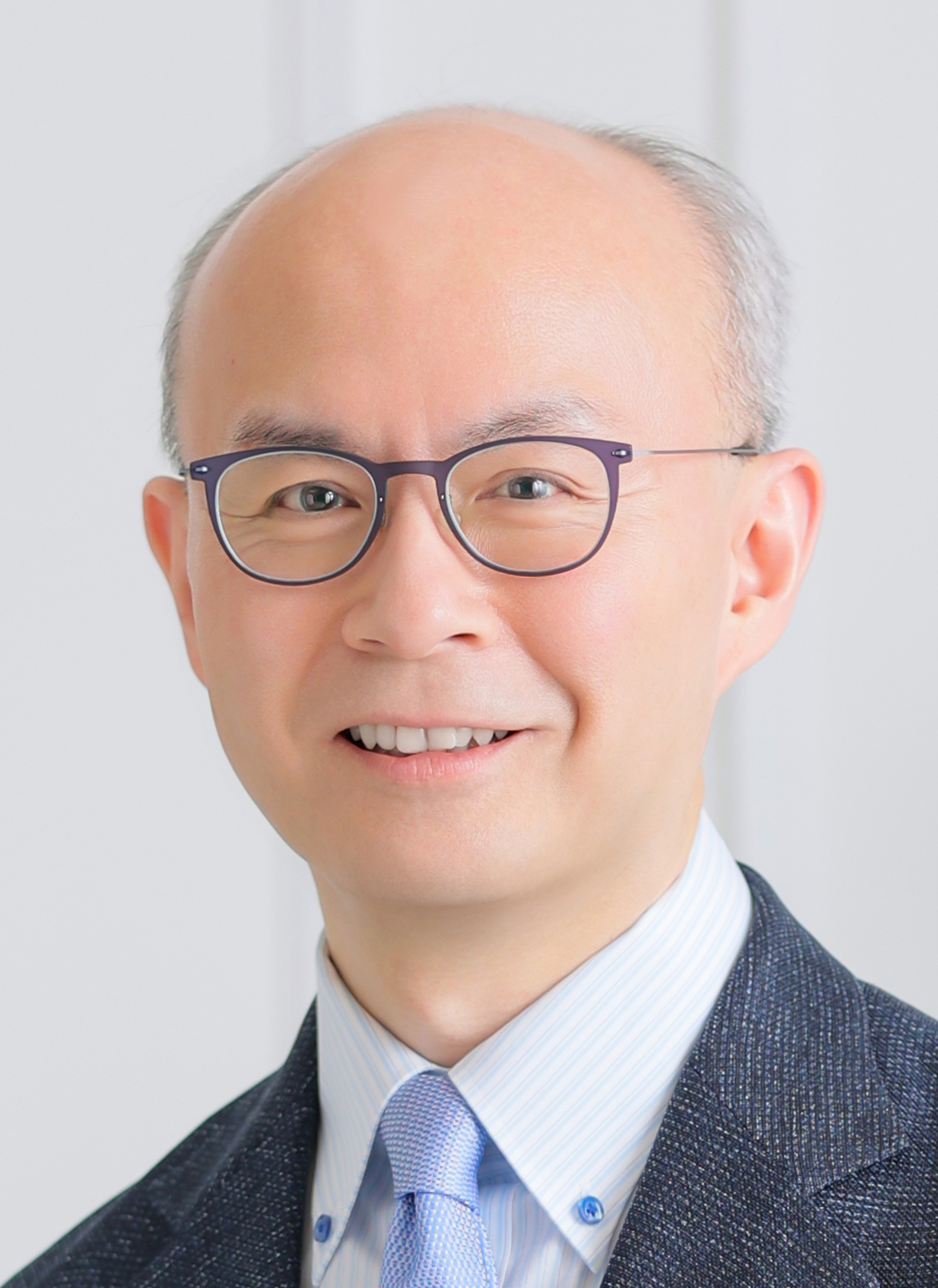
Hirotaka ShibataProf. Japan
POSITION TITLE and INSITUTION
Trustee and Vice-President, Oita University
Professor, Department of Endocrinology, Metabolism, Rheumatology and Nephrology, Faculty of Medicine, Oita University
EDUCATION and TRAINING
I graduated from Keio University School of Medicine (M.D.) in 1988. I then graduated from Keio University Graduate School of Medicine (Prof. Takao Saruta’s Lab, M.D., Ph.D.) in 1993. I worked at Department of Cell Biology (Prof. Bert W. O’Malley’s Lab), Baylor College of Medicine (Houston, Texas, USA) as a Postdoctoral Fellow. I have been appointed as a Professor and Chairman of Department of Endocrinology, Metabolism, Rheumatology and Nephrology, Faculty of Medicine, Oita University since 2013. Now I am appointed as a Trustee and Vice-President of Oita University in 2025.
EXPERTISE
I have been assigned as a Vice President and Managing Director (General Affairs) of the Japan Endocrine Society. I was also assigned as Treasurer and now as a Board of the International Society of Endocrinology. My primary expertise is cardiovascular endocrinology, adrenal disorders and endocrine hypertension such as primary aldosteronism, Cushing’s syndrome and pheochromocytoma. I was a task force member of the Endocrine Society Clinical Practice Guideline of Primary Aldosteronism (2016). I was also a vice chair for Primary Aldosteronism Clinical Practice Guideline 2021 by the Japan Endocrine Society (2021). I was a task force member of The Japanese Society of Hypertension Guidelines for the Management of Hypertension (2019). I am serving an inaugural Associate Editor of JCEM Case Reports (The Endocrine Society). I am also serving an Associate Editor of Hypertension Research (Japanese Society of Hypertension). I will be a Congress Co-chair and Program Organizing Committee Co-chair for the 22nd International Congress of Endocrinology/99th Annual Congress of the Japan Endocrine Society in Kyoto, Japan (2026).
20 MARCH
| Time | Session |
|---|---|
|
13:50
15:20
|
Update in Primary Aldosteronism
Mitsuhide NaruseJapan
Moderator
Update in Primary AldosteronismPrimary aldosteronism (PA) is linked to significantly greater cardiovascular morbidity and mortality than essential hypertension, yet it offers a more favorable prognosis when appropriately treated. Early detection and targeted therapy are therefore essential for achieving optimal long-term outcomes and preserving quality of life.
Since the release of the Endocrine Society’s guidelines in 2010, several countries—including Japan—have developed national recommendations (e.g., Endocrine Journal, 2021). This reflects growing awareness and research momentum, with over 3,500 publications in the past decade. In Japan, we have established a national PA registry and conducted multicenter studies under the Japan Primary Aldosteronism Study (JPAS), supported by AMED, resulting in more than 40 publications as Japan-originated evidence.
Diagnostic protocols have become increasingly standardized, encompassing initial screening, confirmatory testing, subtype classification via adrenal venous sampling (AVS), and tailored treatment—mineralocorticoid receptor (MR) antagonists for bilateral PA and adrenalectomy for unilateral PA. The integration of PA screening into routine hypertension care, alongside the standardization of diagnostic methods, has led to substantial improvements in clinical practice.
However, key challenges remain. These include variability in assay methods (e.g., PRA vs. ARC for renin; CLEIA vs. RIA for aldosterone), which affects diagnostic thresholds; uncertainty regarding optimal cutoffs for
screening and confirmatory tests; lack of consensus on AVS protocols (with or without cosyntropin); and ongoing debates over the role of non-invasive imaging and advanced surgical approaches (laparoscopic vs. robot-assisted adrenalectomy).
These unresolved issues warrant evaluation through a cost-effectiveness lens. As PA diagnostics become increasingly integrated into hypertension management, a fundamental question emerges: How far should we go in diagnosing PA? This presentation will provide an updated overview of clinical practice and address these critical challenges in PA management.Do We Still Need Confirmatory Testing?
201BC
|
21 MARCH
| Time | Session |
|---|---|
|
13:30
15:00
|
Practical Updates for Screening, Diagnosis, and Treatment
Edith ChowHong Kong, China
Moderator
Personalizing Hypertension Treatment through Renin-Angiotensin-Aldosterone Physiology: Are We There Yet?Hypertension is the leading cardiovascular risk factor accounting for the global burden of cardiovascular disease and death. Renin-angiotensin-aldosterone-system takes a crucial role as the regulator in maintaining the body’s electrolyte homeostasis. RAAS overactivity is a key pathophysiological mechanism in hypertension. Dysregulation of the RAAS is closely tied to development of hypertension.
Primary aldosteronism is a disorder characterised by renin-independent aldosterone excess, manifesting as hypertension with greater risk of end-organ damage compared to individuals with essential hypertension. Recent guidelines for hypertension and primary aldosteronism have uniformly advocated for an expanded screening strategy for primary aldosteronism to improve awareness and detection of this treatable secondary cause of hypertension.
Traditionally, screening for primary aldosteronism has relied on the conception that it is a dichotomous condition. However, increasing evidence have suggested that renin and aldosterone abnormalities may exist on a continuum of clinical severity. In individuals with elevated blood pressure and family history of hypertension, higher levels of aldosterone are associated with greater risks of incident hypertension. Among normotensive individuals, the association between high aldosterone and incident hypertension were only evident among those with a suppressed renin, suggesting a phenotype of subclinical aldosterone excess. On the other hand, among individuals with resistant hypertension, targeting RAAS overactivity with mineralocorticoid antagonists have demonstrated superior blood pressure reduction compared to beta-blockers or alpha-blockers, especially in those with lower renin levels. With the development of novel treatments for hypertension that target RAAS, including aldosterone synthase inhibitors and non-steroidal mineralocorticoid inhibitors, there is growing interest in the role of RAAS hormones or metabolites as biomarkers to guide diagnosis, prognostication and management of hypertension.
Building upon this foundation, this talk will explore the potential role of aldosterone, renin and their metabolites as biomarkers in diagnosing and treating individuals with hypertension.
Hirotaka ShibataJapan
Moderator
2026 Update in Primary AldosteronismPrimary aldosteronism (PA) is one of the most prevalent causes for secondary hypertension. Early diagnosis and treatment are mandatory, because patients with PA present markedly higher morbidity of cardiovascular diseases than those with essential hypertension whose blood pressure levels are equally managed. A recently published Endocrine Society Clinical Practice Guideline of PA emphasizes several points. First, screening for PA with serum/plasma aldosterone concentration and plasma renin (concentration or activity) is recommended in all individuals with hypertension. Second, in individuals who screen positive for PA, aldosterone suppression testing is suggested when screening results suggest an intermediate probability for lateralizing PA, but not all cases. Third, in individuals with PA, medical therapy or surgical therapy with the choice of therapy based on lateralization of aldosterone hypersecretion and candidacy for surgery. Fourth, in individuals with PA considering surgery, adrenal lateralization with CT scanning and adrenal venous sampling prior to deciding the treatment approach is suggested. Fifth, in individuals with PA receiving PA-specific medical therapy, mineralocorticoid receptor antagonists (MRAs) are suggested as the dose is titrated by monitoring potassium, renal function, renin (concentration or activity) and blood pressure response during follow-up. We should be aware that diversity exists with respect to aldosterone assays, cut-off values for screening and aldosterone suppression tests, AVS standardization issues, and choice of MRAs depending on countries.
Diagnosis and Management of Adrenal InsufficiencyThe diagnosis and management of adrenal insufficiency presents major clinical challenges. It is often unrecognized, which can lead to adrenal crisis and, if not identified and treated, death. There is a lack of understanding on who is at risk of adrenal insufficiency, how to test for it, and how to manage a life threatening adrenal crisis promptly. While primary and secondary adrenal insufficiency can be regarded as rare conditions, glucocorticoid-induced adrenal insufficiency might be quite common. One should consider glucocorticoid withdrawal syndrome that may occur during glucocorticoid taper. Patient education in raising awareness of glucocorticoid withdrawal syndrome, such as fatigue and reduced appetite, is important when tapering glucocorticoid doses. The symptoms of glucocorticoid withdrawal syndrome may resemble adrenal insufficiency, but HPA axis is normally functional. The degree and persistence of adrenal suppression after cessation of glucocorticoid therapy are dependent on overall exposure and recovery of adrenal function varies greatly among individuals. Upcoming ICE2026/JES2026: Enlightened Endocrinology in Unprecedented TimesWe are pleased to announce that the 22nd International Congress of Endocrinology (ICE2026) and the 99th Annual Congress of the Japan Endocrine Society (JES2026) will be held together at the Kyoto International Conference Center (ICC Kyoto) over five days from June 2 (Tue) to 6 (Sat), 2026 (ICE2026/JES2026).
The International Congress of Endocrinology (ICE) is held every two years, and after 1988 and 2010, this will be the third time that the Congress will be held in Japan. The Japan Endocrine Society (JES) has been actively involved in the International Society of Endocrinology (ISE) since its establishment, and as the JES will celebrate its 100th anniversary in fiscal year 2026, hosting the congress in Japan will be an especially valuable opportunity for JES members.
The theme of ICE2026/JES2026 is: Enlightened Endocrinology in Unprecedented Times. Globally, we are entering an unprecedented era, including digitalization, which has been rapidly accelerated by the experience of the COVID-19 pandemic; a super-aging society, which is mainly faced by developed countries; and extreme weather events, as exemplified by global warming. In the midst of these unprecedented times, we will gather in Kyoto - the birthplace of the Japan Endocrine Society - to discuss the new century of clinical and basic research in various fields of endocrinology.
Participants from all over the world are encouraged to present cutting-edge science from their respective countries, and through active discussions, we hope that you will experience the “Enlightened Endocrinology” of endocrinology in this unprecedented era.
In June, flowers bloom profusely at shrines and temples in Kyoto with the blessings of water, and shrine gardens and hydrangea gardens are open to the public.
We look forward to welcoming participants from all over the world to Kyoto - the ancient capital of Japan - and discussing the future of endocrinology!
103
|
22 MARCH
| Time | Session |
|---|---|
|
13:30
14:00
|
Adrenal
201AF
|
|
14:00
15:30
|
Chih-Yuan WangTaiwan
Moderator
Obesity 2026 updateObesity remains one of the most critical and rapidly evolving global health challenges entering 2026, characterized by persistently rising prevalence, expanding clinical consequences, and profound societal and economic impacts. Over the past three decades, the prevalence of overweight and obesity has more than doubled among adults and increased nearly threefold among children and adolescents worldwide, driven by complex interactions between genetic susceptibility, obesogenic environments, sedentary lifestyles, dietary transitions toward energy-dense ultra-processed foods, and broader socio-economic determinants. Projections indicate that, if current trends continue, more than half of the global adult population and a substantial proportion of children will be living with obesity within the next two decades, with particularly rapid increases occurring in low- and middle-income countries undergoing nutritional and urban transitions. This epidemiologic shift has translated into a marked escalation in obesity-related non-communicable diseases, including type 2 diabetes, cardiovascular disease, chronic kidney disease, non-alcoholic fatty liver disease, osteoarthritis, and several obesity-associated malignancies, positioning excess adiposity as a leading contributor to global morbidity, mortality, and disability-adjusted life years. Alongside the growing disease burden, the conceptual framework of obesity has undergone important refinement. While body mass index remains a pragmatic population-level screening tool, its limitations in capturing adiposity distribution and metabolic risk have prompted international efforts to redefine obesity as a chronic, relapsing disease characterized by excess or dysfunctional adipose tissue with heterogeneous clinical expression. Emerging diagnostic paradigms increasingly emphasize waist-based measures, ectopic fat accumulation, and the presence of obesity-related complications, distinguishing pre-clinical obesity from clinically manifest disease and enabling more precise risk stratification and individualized management. Therapeutically, the obesity landscape has been transformed by advances in incretin-based pharmacotherapy, particularly glucagon-like peptide-1 receptor agonists and dual or multi-agonist agents, which have demonstrated unprecedented and sustained weight reduction alongside meaningful improvements in cardiometabolic outcomes. The recent development of effective oral formulations further expands treatment accessibility and has the potential to improve long-term adherence, although challenges related to cost, equity, and health-system implementation remain substantial. Importantly, pharmacotherapy alone is insufficient to address the obesity epidemic, and contemporary management strategies emphasize multimodal, life-course approaches integrating nutritional therapy, physical activity promotion, behavioral and psychological interventions, digital health technologies, and, when appropriate, metabolic and bariatric surgery, tailored to individual risk profiles and comorbidity burdens. At the population level, global policy initiatives increasingly recognize that obesity is not solely an individual responsibility but a systems-driven condition requiring coordinated action across healthcare, education, food systems, urban planning, and regulatory environments to create supportive contexts for healthy living. Concurrently, ongoing research continues to elucidate the complex pathophysiology of obesity, including the roles of genetics, epigenetics, gut microbiota, neuroendocrine regulation, and adipose tissue inflammation, while implementation science seeks to bridge gaps between evidence and real-world practice. Collectively, the 2026 obesity update portrays a paradoxical landscape of escalating global burden alongside unprecedented scientific and therapeutic progress, underscoring that meaningful and sustainable impact will depend on integrating biomedical innovation with structural policy reform, equitable access to care, and sustained public health commitment to reverse current trajectories and improve outcomes across the lifespan.Long-Term Changes of Urinary Exosomal Peptide Levels after Thyroidectomy in Patients with Thyroid Cancer: A Prospective Observational StudyIn this prospective observational study, we investigated whether longitudinal changes in urinary exosomal peptide profiles after thyroidectomy could predict recurrence risk in patients with papillary thyroid cancer, a disease with reported recurrence rates of up to 30%. Adults older than 20 years with newly diagnosed papillary thyroid cancer who had undergone thyroidectomy were enrolled, and urine samples were collected at 12 months after study entry and again one year later for exosomal peptide identification and comparison. Seventy patients were included and stratified according to the interval between surgery and enrollment (<5 years, 5–10 years, and >10 years). During the two-year follow-up after enrollment, no recurrences were observed. Across groups and time intervals, there were no significant differences in serum protein levels or urinary exosomal peptide concentrations, and established high-risk clinical factors showed only weak correlations with these biomarkers. Collectively, these findings delineate the long-term basal fluctuation ranges of serum proteins and urinary exosomal peptides in post-thyroidectomy thyroid cancer survivors, suggesting that biomarker levels remaining within these ranges may be indicative of a lower long-term risk of recurrence in high-risk patients following thyroidectomy.
101
|