
Harn-Shen ChenProf. Taiwan
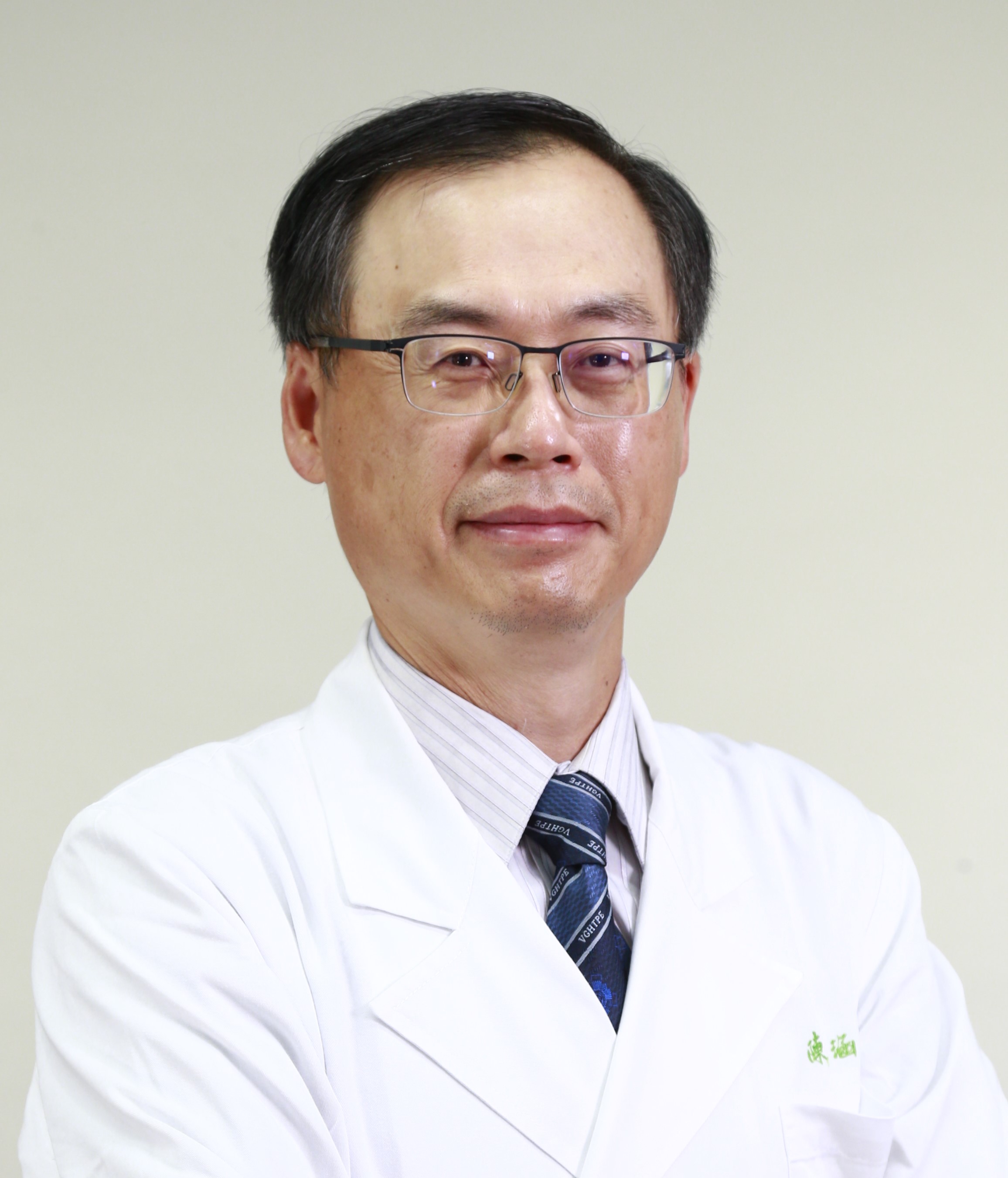
Dr. Harn-Shen Chen is a Professor of Medicine at the National Yang-Ming Chiao-Tung University School of Medicine and an attending physician in the Division of Endocrinology and Metabolism at Taipei Veterans General Hospital, Taiwan. He served as Chief of the Division of Endocrinology and Metabolism at Taipei Veterans General Hospital from 2015 to 2022, during which he led numerous institutional and national initiatives on endocrine and metabolic disorders.
Dr. Chen’s clinical practice centers on diabetes mellitus, thyroid diseases, and pituitary disorders, with a strong commitment to integrating clinical excellence, research innovation, and holistic patient care. His research has focused on improving glycemic control, preserving pancreatic beta-cell function in type 2 diabetes, and optimizing the multidisciplinary management of acromegaly. He has also been actively involved in developing national consensus guidelines for acromegaly management in Taiwan, contributing significantly to both patient outcomes and professional education in endocrinology.
Internationally, Dr. Chen was a visiting researcher at the University of California, Irvine, where he collaborated on translational studies in diabetes and metabolism. Domestically, he has played key leadership roles in the Endocrine Society of the Republic of China (Taiwan), serving as Secretary General (2013–2016) and currently as Executive Director (since 2022).
Through his academic and professional service, Dr. Chen has established himself as one of Taiwan’s leading clinical endocrinologists and educators, dedicated to advancing evidence-based endocrine care and fostering collaboration across Asia in diabetes and pituitary research.
22 MARCH
| Time | Session |
|---|---|
|
09:10
09:50
|
Harn-Shen ChenTaiwan
Moderator
Acromegaly and Cardiovascular Disease: The Research in Taipei Veterans General HospitalAcromegaly, characterized by chronic excess growth hormone (GH) and elevated insulin-like growth factor-1 (IGF-1), is associated with increased morbidity and premature mortality, particularly from cardiovascular (CV) complications. Research from Taipei Veterans General Hospital (Taipei VGH) over the past decade has systematically examined how biochemical control, metabolic status, and cardiac function influence patient outcomes, forming a comprehensive institutional understanding of acromegaly-related CV risk.
Early studies established the prognostic importance of postoperative hormonal normalization following trans-sphenoidal adenomectomy (TSA). Patients achieving stringent biochemical remission demonstrated markedly reduced long-term mortality, whereas persistent GH/IGF-1 elevation remained a strong predictor of premature death. Even partial hormonal improvement provided measurable survival benefit, highlighting the need for aggressive management and close monitoring after surgery.
Subsequent work addressed the metabolic impact of medical therapy, particularly long-acting octreotide. While effective in reducing GH/IGF-1 levels, somatostatin analogs impaired insulin secretion and frequently worsened glucose tolerance. These findings underscore the need to balance biochemical control with careful metabolic surveillance, especially in patients with preexisting glucose abnormalities.
In 2020, a nationwide epidemiological study expanded the perspective by detailing incidence, comorbidities, re-operation rates, cancer risk, and mortality trends across Taiwan. Despite modern advances, patients with acromegaly continued to exhibit elevated mortality—predominantly from CV and malignant causes—reinforcing the significance of early diagnosis and rigorous long-term management.
Complementing epidemiologic insights, a focused clinical study demonstrated that successful surgical remission led to significant improvements in traditional CV risk factors, including reductions in HbA1c, LDL cholesterol, total cholesterol, and blood pressure one year after TSA. These benefits were most pronounced in patients with normalized IGF-1.
The most recent study linked degrees of biochemical control to cardiac structure and function. Patients with uncontrolled or partially controlled acromegaly exhibited increased left ventricular mass and impaired diastolic function, indicating early acromegalic cardiomyopathy even when systolic function remained preserved.
Collectively, the Taipei VGH research program highlights that full biochemical remission is essential not only for reducing mortality but also for reversing metabolic abnormalities and preventing progressive cardiac dysfunction.
101
|
|
14:00
15:30
|
Acromegaly
Naoko InoshitaJapan
Moderator
Consensus in Pituitary Pathology: Impact after New Classification for JapanIn Japan, the brain tumor handling rules are essentially based on the WHO classification. However, the introduction of the term pituitary neuroendocrine tumour (PitNET) has occasionally led to misunderstanding in clinical practice, particularly regarding the implication of malignancy.
In this lecture, I will present a consensus-oriented approach in pituitary pathology, focusing on practical strategies developed through multidisciplinary collaboration for the benefit of clinicians and patients. First, I will show how the addition of touch smear cytology to frozen section diagnosis during surgery can improve the accuracy of margin assessment and increase the likelihood of achieving the intended surgical goal, including adequate removal of hormone-producing tumours. Second, I will emphasize that truly malignant PitNETs are extremely rare, and that the term “NET” should not be equated with malignancy. Third, I will discuss the well-known discrepancy between hormone immunohistochemistry and clinical functionality, highlighting the importance of careful pathological interpretation.
These perspectives reflect our pathology team’s commitment to accurate communication and clinically relevant pathological diagnosis.
Szu-Tah ChenTaiwan
Moderator
The Impact of the 2022 WHO PitNET Classification to the Clinical Practitioners. Does Silence Equal Acceptance?The 2022 World Health Organization (WHO) Classification of Endocrine and Neuroendocrine Tumors redefined pituitary adenomas as pituitary neuroendocrine tumors (PitNETs) within the International Classification of Diseases for Oncology, 3rd Edition (ICD-O/3). This change reflects updated insights into tumor biology, recognizing a spectrum of clinical behaviors beyond the traditionally benign designation.
A narrative review of the WHO 2022 classification updates was conducted, focusing on their clinical, diagnostic, and epidemiologic implications for practitioners in endocrinology, neurosurgery, and oncology.
The reclassification emphasizes the potential for variability in tumor aggressiveness, recurrence, and invasiveness. Clinically, this shift necessitates more careful risk stratification, closer follow-up in selected cases, and a reassessment of treatment algorithms. From a reporting perspective, ICD-O/3 alignment may affect cancer registry data and epidemiologic tracking, altering disease burden estimates. Importantly, the new terminology presents challenges in patient communication, as the label “neuroendocrine tumor” may cause undue anxiety despite the indolent nature of most PitNETs.
The WHO 2022 reclassification of pituitary adenomas as PitNETs represents a significant change for clinical practice. While it enhances awareness of potential aggressive behavior, it also requires balanced application in patient care to avoid overtreatment and misperceptions. Practitioners must adapt by refining diagnostic vigilance, tailoring follow-up strategies, and delivering clear patient-centered communication.
201DE
|