
Samantha Peiling YangDr. Singapore
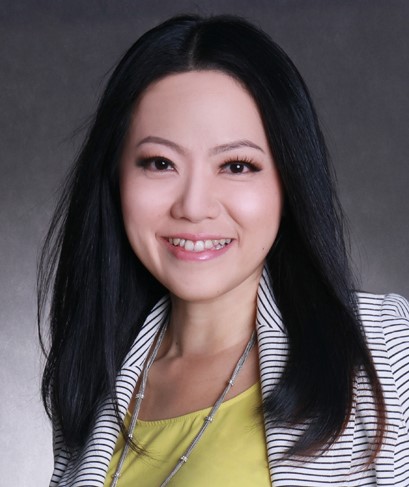
Dr Yang obtained her medical degree from the National University of Singapore and received her Endocrinology training at the National University Hospital, Singapore, followed by a thyroid cancer fellowship at Memorial Sloan Kettering Cancer Centre, New York, where she was involved in clinical research in thyroid cancer.
Through the pursuit of translational research, she aims to utilize personalized medicine in the clinical care of patients with cytologically-indeterminate thyroid nodules and RAI-refractory thyroid cancers. She has validated the ThyroSeq test performance in Singapore and also showed that the molecular test was a stronger predictor of malignancy than clinical parameters. She is studying regulatory mechanisms of sodium-iodide symporter in thyroid cancers with the aim of using therapeutics to optimize RAI uptake. She is the principal investigator for a re-differentiation therapy clinical trial in RAI-refractory metastatic thyroid cancer patients.
20 MARCH
| Time | Session |
|---|---|
|
08:30
11:30
|
201DE
|
|
10:30
12:00
|
Preoperative Thyroid Nodule Diagnosis
Chia-Hung LinTaiwan
Moderator
Novel Biomarkers and Treatment Strategies in Thyroid Eye DiseaseThyroid Eye Disease (TED), also known as Graves' orbitopathy, remains a complex autoimmune condition that significantly impacts patients' vision and quality of life. Traditionally, management has relied mainly on non-specific anti-inflammatory therapies. However, as our understanding of its molecular pathogenesis evolves, there is an increasing clinical demand for more precise diagnostic tools and targeted therapeutic interventions.
This presentation provides a comprehensive overview of the current landscape and future directions in the management of TED. We will discuss the emergence of novel serum and molecular biomarkers that offer potential for earlier diagnosis and more accurate prediction of disease progression. These biomarkers may bridge the gap between clinical observation and underlying immunological activity. Furthermore, we will explore the shift in treatment paradigms, moving from conventional systemic corticosteroids toward innovative biological agents. By targeting specific signaling pathways involved in orbital inflammation and remodeling, these new strategies aim to provide more effective and durable clinical outcomes.
The integration of novel biomarkers and advanced treatment modalities is reshaping the management of TED. Moving toward a more individualized approach will allow clinicians to optimize therapeutic timing and selection, ultimately improving the long-term prognosis for patients with this challenging condition.
102
|
|
13:10
13:40
|
Diabetes Mellitus
102
|
|
13:50
15:20
|
AI in Endocrinology
Miyuki KataiJapan
Moderator
From the Bedside to the Digital World: Precision Medicine in Endocrinology with Al and ICTPrecision medicine in endocrinology must account for biological variability, life-course hormonal transitions, and sociocultural determinants of health. However, in routine clinical practice, endocrine disorders are often detected only after prolonged symptomatic periods, particularly when symptoms are nonspecific or overlap with normal physiological transitions.
Our work originates from bedside clinical challenges. In developing and operating a comprehensive women’s specialty clinic grounded in sex-specific medicine—representing an innovative clinical model in Japan—we evaluated more than 5,000 women. Among patients who presented to our clinic with a prior diagnosis of menopausal disorders, organic diseases were identified in 27%. Thyroid dysfunction accounted for approximately 15% of cases initially attributed to menopausal disorders. These findings suggest that menopausal diagnoses may contribute to delayed recognition of underlying diseases. Among conditions masked by such symptoms, endocrine disorders were frequently identified, likely because many endocrine diseases require additional targeted laboratory testing for definitive diagnosis. Within endocrine disorders, thyroid dysfunction was particularly prevalent in women.
To address this unmet need, we developed the Women’s AI Symptom Evaluator (WaiSE), a digital platform designed to visualize multidimensional symptom patterns using AI-assisted structured questionnaires. WaiSE was developed to support detection of a broad spectrum of underrecognized conditions in women, including endocrine disorders such as thyroid disease. Importantly, these digital tools help women recognize and articulate complex autonomic symptom patterns commonly experienced during menopausal transitions, thereby enabling clinicians to better interpret symptom presentations and facilitating earlier detection of endocrine disorders. The platform is supported by a gender-specific clinical database derived from over 5,000 patients and more than 60,000 consultations, enabling symptom–diagnosis correlation modeling and development of sex-informed diagnostic algorithms.
Building upon this clinical and digital foundation, we have recently initiated an integrated endocrine screening strategy through collaboration with the AI-based Thyroid Screening (AITS) platform. We collaborated with Cosmic Corporation, the developer of the AI-based Thyroid Screening (AITS) system. AITS is an AI-based screening system that analyzes routine blood test results obtained in general screening programs, including health checkups, to estimate the likelihood of thyroid dysfunction. The integrated WaiSE–AITS system combines patient-reported symptom assessment through WaiSE with objective clinical indicators derived from AITS to assist in identifying individuals who may require additional thyroid function testing. The integrated system is being developed with the aim of future regulatory approval as Software as a Medical Device (SaMD). This integrated platform can be utilized in clinical practice settings as well as in health screening programs and occupational health settings, demonstrating feasibility in capturing real-world symptom data beyond hospital-centered care. The combined system is designed as a physician-supervised clinical decision-support tool intended to assist healthcare professionals in identifying patients who may benefit from further thyroid evaluation, while maintaining physician responsibility for final diagnostic decisions.
This presentation highlights the clinical background, digital innovation process, and emerging collaborative screening strategies, demonstrating how bedside endocrinology can evolve into digitally supported precision care incorporating a life-course approach for women.
Acknowledgements:This research was supported by AMED (Grant Number: JP21gk0210024h9903) and by grants from METI, Japan.
Ye-Fong DuTaiwan
Moderator
Psychological Burden in Diabetes: Understanding Distress and Its Clinical ImpactDiabetes distress represents the emotional burden arising from the daily demands of diabetes self-management and is conceptually distinct from major depressive disorder. Large-scale epidemiological studies indicate that 20–40% of people with diabetes experience clinically significant distress, making it one of the most prevalent psychological complications of diabetes.
A growing body of longitudinal evidence demonstrates that diabetes distress is strongly associated with poor glycemic control, reduced treatment adherence, unhealthy dietary and physical activity patterns, and lower engagement with healthcare services. Importantly, diabetes distress predicts future deterioration in HbA1c independent of depressive symptoms, suggesting that it is a direct and modifiable determinant of metabolic outcomes rather than a mere emotional comorbidity.
Interventional studies show that structured diabetes education, psychosocial counseling, and digital health–based self-management support can significantly reduce diabetes distress and are accompanied by improvements in glycemic control and self-efficacy. These findings highlight the bidirectional relationship between psychological burden and metabolic regulation.
In the era of precision medicine and digital diabetes care, systematic screening and targeted management of diabetes distress should be integrated into routine clinical practice to optimize both psychological well-being and long-term cardiometabolic outcomes.
201DE
|
|
16:30
17:10
|
Vincent WuTaiwan
Moderator
From Taiwan to the World: The TAIPAI Journey Transforming Primary AldosteronismPrimary aldosteronism (PA) is an increasingly recognized cause of secondary hypertension, affecting an estimated 5%-15% of hypertensive patients. This condition, once thought to be rare, is now understood to be a relatively common contributor to high blood pressure, particularly in cases resistant to standard antihypertensive therapies. PA arises primarily from either bilateral adrenal hyperplasia or an aldosterone-producing adenoma. The pathophysiology of PA is characterized by excessive and autonomous secretion of aldosterone, an adrenal hormone that plays a critical role in regulating blood pressure and fluid balance.
Diagnosing PA involves a multi-step process, beginning with screening tests to identify at-risk individuals, followed by confirmatory tests, and finally, subtype differentiation to determine the specific cause of the condition. Screening is especially recommended for patients who present with certain risk factors, such as resistant hypertension, unexplained hypokalemia, or an onset of hypertension at a young age (under 40 years). Family history of PA, early signs of target organ damage, the presence of an adrenal incidentaloma, obstructive sleep apnea, unexplained atrial fibrillation, and psychosomatic symptoms are also significant indicators warranting screening. Additionally, patients with hypertension but no other comorbidities should be evaluated for PA, as it could be the underlying cause.
PA does not occur in isolation; it is often found to coexist with Mild Autonomous Cortisol Secretion (MACS). This co-occurrence presents a more complex clinical picture, as MACS can further aggravate the cardio-renal-vascular complications already associated with PA. Moreover, it can contribute to abnormalities in glucose metabolism, increasing the risk of diabetes and other metabolic disorders. One of the key challenges in the diagnosis and management of PA, particularly when MACS is present, lies in accurately interpreting the aldosterone-to-cortisol ratios during adrenal venous sampling, a critical step in subtype differentiation.
|
|
18:00
18:30
|
101
|
21 MARCH
| Time | Session |
|---|---|
|
08:30
10:00
|
New Development in Thyroid Cancer Management
Guodong FuCanada
Moderator
Preoperative Molecular Testing for Thyroid NodulesTitle: Preoperative Quantitative Molecular Testing for a Definitive Cancer Diagnosis among Patients with Thyroid Nodules
Objective: Molecular testing is increasingly used in the assessment of thyroid nodules. Tumors harboring the same genomic variant may not behave the same because a gene variant is not expressed equally in tumor cells among patients. This study is to delineate interpatient variabilities in genomic variants in thyroid tumors and assess their diagnostic significance in definitive thyroid cancer diagnosis.
Methods: Interpatient differences in BRAF V600E, TERT promoter, and RAS variants (ie, NRAS, HRAS, and KRAS) were analyzed in residual thyroid fine-needle aspiration (FNA) biopsies and compared with surgical histopathologic diagnoses. Malignancy rates, sensitivity, specificity, positive predictive values (PPV), and negative predictive values (NPV) were calculated.
Results: This retrospective study enrolled 620 patients (470 [75.8%] female; mean [SD] age, 50.7 [15.9] years), including 438 surgically resected thyroid tumors and 249 thyroid nodule FNA biopsies. Of 438 tumors, 178 (40.6%) and 58 (13.2%) carcinomas were detected with interpatient variabilities of BRAF V600E and TERT promoter variants (C228T and C250T), with variant allele fraction (VAF) levels ranging from 0.03% to 48.56% and 0.13% to 54.74%, respectively. Furthermore, 89 (20.3%) were identified with the presence of RAS variants, including 51 (11.6%) with NRAS, 29 (6.6%) with HRAS, and 9 (2.1%) with KRAS, with VAF levels ranging from 0.15% to 51.53%. VAF assays of 249 residual FNA specimens identified 50 specimens (20.1%) with BRAF V600E, 25 FNAs (10.0%) with TERT promoter variants, and 36 specimens (14.5%) with RAS variants with interpatient variabilities (including 23 FNAs [9.2%] with NRAS, 10 FNAs [4.0%] with HRAS, and 3 FNAs [1.2%] with KRAS). Interpatient differences in the 5 gene variants (NRAS, HRAS, KRAS, BRAF, and TERT) were detected in 54 of 126 indeterminate FNAs (42.9%) and 18 of 76 ND FNAs (23.7%). Compared with the 5 gene variants detected in the matched surgical specimens, VAF assays on residual FNA biopsies exhibited a high agreement (κ = 0.80; P < .001) and demonstrated a sensitivity of 87.1% (95% CI, 69.2%-95.8%), specificity of 92.5% (95% CI, 78.5%-98.0%), PPV of 90.0% (95% CI, 72.3%-97.4%), and NPV of 90.2% (95% CI, 75.9%-96.8%).
Conclusions: This diagnostic study delineated that quantitative discrimination of interpatient variabilities in genomic variants could facilitate cytology examinations in preoperative precision malignancy diagnosis among patients with thyroid nodules.
Won Gu KimSouth Korea
Moderator
Advances in the Treatment of Radioactive Iodine-Refractory Differentiated Thyroid Cancer: Multikinase Inhibitors and Beyond – An Asian PerspectiveDifferentiated thyroid cancer (DTC) arising from follicular cells generally has a good prognosis; however, about 5-10% of patients experience recurrence or distant metastasis. High-dose radioactive iodine (RAI) therapy is the mainstay of treatment for metastatic DTC, but its efficacy depends on the iodine avidity of the tumor. Iodine uptake of metastatic lesions tends to decline over time, and ultimately, around 60-70% of metastatic cases become refractory to RAI therapy. Patients whose metastases remain RAI-avid have a median survival approaching 10 years, whereas those with RAI-refractory disease have a roughly 10% of 10 10-year survival. Because the clinical course of RAI-refractory DTC is variable, it is critical to determine which patients should receive systemic therapy with a tyrosine kinase inhibitor (TKI) and how to integrate local treatment before and during systemic therapy.
TKIs such as sorafenib and lenvatinib, which primarily inhibit tumor angiogenesis, have been approved. The DECISION trial reported that sorafenib achieved a median progression-free survival (PFS) of 10.8 months compared with 5.8 months in the control group. The SELECT trial showed that lenvatinib achieved a median PFS of 18.3 months versus 3.6 months in controls. Based on these results, sorafenib and lenvatnib are now widely used as the first-line treatments for patients with RAI-refractory DTC who have progressive or symptomatic metastatic disease. A recent multi-center real-world study in Korea suggested that lenvatinib provides better efficacy and longer PFS (median 35.3 months) than sorafenib (median 13.3 months, p<0.001). However, lenvatinib is also associated with higher rates of adverse events such as hypertension (95%) and proteinuria (80%). These TKIs show activity irrespective of the underlying genetic alterations that drive thyroid cancer.
Recently, selective NTRK and RET inhibitors have been developed for solid tumors harboring NTRK or RET gene fusions, and their efficacy has been confirmed in clinical trials. In addition, genetic testing to identify actionable mutations is increasingly being incorporated into practice, and personalized treatment approaches are reflected in current clinical guidelines. A recent Korean multicenter study found that approximately 31% of patients with RAI-refractory thyroid cancer who had wild-type BRAF carried targetable gene fusions. The choice and sequencing of TKI, the optimal timing of their use, strategies to prevent and manage adverse events, and individualized treatment plans based on patient characteristics will be crucial for improving clinical outcomes in patients with RAI-refractory thyroid cancer.
201BC
|
|
11:10
11:50
|
Vivien LimSingapore
Moderator
The Danger of Obesity in South East Asia and Practical Tips in the Clinic Obesity is steadily increasing in South East Asia (SEA) and with it comes complications naturally follow from it - metabolic, physical and mental. The talk will touch on the following:
- the prevalence of this and the changes over time
- the rising burden of it
- practical tips that can aid in the clinic including busting myths and misconceptions that hamper its management
101
|
|
11:50
12:30
|
101
|
|
13:30
15:00
|
101
|
|
15:10
15:50
|
Alice KongHong Kong, China
Moderator
Obesity: What Clinicians Should KnowRapid changes in technology, human behavior and lifestyle over the past few decades have resulted in a dramatic increase in the prevalence of obesity worldwide. Besides social stigmata and psychological consequences, obesity is associated with escalated risks of type 2 diabetes, coined the term "Diabesity", hypertension, dyslipidemia, sleep apnoea, metabolic dysfunction-associated steatotic liver disease (MASLD), formerly known as non-alcoholic fatty liver disease (NAFLD), polycystic ovarian syndrome, cancers, cardiovascular diseases and increased mortality.
Body mass index (BMI) is a commonly adopted tool to identify people with obesity. Clinicians should note that the cutoff points of BMI for clinical actions are different between people with obesity from the East and the West, as well as the limitations of BMI in diagnosing obesity. Recently, the Lancet Diabetes and Endocrinology Commission proposed a new definition of obesity which differentiates excess adiposity with obesity-related illness (clinical obesity) from those without obesity-related diseases (pre-clinical obesity). Also, people with clinical obesity have many unmet needs requiring personalized treatment regimens, intensive counselling and emotional support. The 5 A's framework including Ask, Assess, Advise, Agree and Assist, provide a patient-centred approach to promote lasting behavioral change in obesity management.
In addition to lifestyle modifications and behavioral changes, pharmacological agents for weight reduction, bariatric and metabolic surgeries are therapeutic options requiring careful selections for the appropriate patients with adequate counselling of the risks and benefits. Through case sharing approach, the use of weight reducing drugs and surgical strategies for people with preclinical and clinical obesity will be discussed in this session.
Acknowledgement: The work described in this lecture was partially supported by funding from Health and Medical Research Fund (HMRF), Food and Health Bureau, Hong Kong SAR, China (Reference number:21223391), Matching Grant from Research Grants Council (reference number: 8601556), and Area of Excellence Scheme, Research Grants Council, Hong Kong SAR, China (Reference number: AoE/M-401/24-R). Obesity Management: What's New?Obesity is a global health hazard with rising prevalence in most parts of the world. Weight reduction by lifestyle modification remains the cornerstone in the prevention and treatment of obesity. However, weight management by lifestyle therapy alone is difficult to sustain in many obese individuals with rebound of body weight being observed as a common phenomenon. Given the invasiveness of bariatric and metabolic surgeries which are not accepted by many people with obesity, the use of pharmacological agents in weight management is increasingly popular.
In 2025, the Lancet Diabetes and Endocrinology Commission proposed a new definition of obesity which differentiates excess adiposity with obesity-related illness (clinical obesity) from those without obesity-related diseases (pre-clinical obesity). Among the various obesity complications, diabetes is well recognized to be closely related to obesity, with the term 'Diabesity' coined to show the strong link between these two important modifiable risk factors of cardiovascular disease and premature death. In recent decades, many new generation anti-diabetic drugs are developed and found to have weight reducing properties. Looking ahead, more new drugs are in the pipeline of clinical trials, and the results may eventually change the landscape of obesity management.
Acknowledgement: The work described in this lecture was partially supported by funding from Health and Medical Research Fund (HMRF), Food and Health Bureau, Hong Kong SAR, China (Reference number:21223391), Matching Grant from Research Grants Council (reference number: 8601556), and Area of Excellence Scheme, Research Grants Council, Hong Kong SAR, China (Reference number: AoE/M-401/24-R).
101
|
|
15:50
16:30
|
101
|
|
16:50
17:30
|
Won Gu KimSouth Korea
Moderator
Advances in the Treatment of Radioactive Iodine-Refractory Differentiated Thyroid Cancer: Multikinase Inhibitors and Beyond – An Asian PerspectiveDifferentiated thyroid cancer (DTC) arising from follicular cells generally has a good prognosis; however, about 5-10% of patients experience recurrence or distant metastasis. High-dose radioactive iodine (RAI) therapy is the mainstay of treatment for metastatic DTC, but its efficacy depends on the iodine avidity of the tumor. Iodine uptake of metastatic lesions tends to decline over time, and ultimately, around 60-70% of metastatic cases become refractory to RAI therapy. Patients whose metastases remain RAI-avid have a median survival approaching 10 years, whereas those with RAI-refractory disease have a roughly 10% of 10 10-year survival. Because the clinical course of RAI-refractory DTC is variable, it is critical to determine which patients should receive systemic therapy with a tyrosine kinase inhibitor (TKI) and how to integrate local treatment before and during systemic therapy.
TKIs such as sorafenib and lenvatinib, which primarily inhibit tumor angiogenesis, have been approved. The DECISION trial reported that sorafenib achieved a median progression-free survival (PFS) of 10.8 months compared with 5.8 months in the control group. The SELECT trial showed that lenvatinib achieved a median PFS of 18.3 months versus 3.6 months in controls. Based on these results, sorafenib and lenvatnib are now widely used as the first-line treatments for patients with RAI-refractory DTC who have progressive or symptomatic metastatic disease. A recent multi-center real-world study in Korea suggested that lenvatinib provides better efficacy and longer PFS (median 35.3 months) than sorafenib (median 13.3 months, p<0.001). However, lenvatinib is also associated with higher rates of adverse events such as hypertension (95%) and proteinuria (80%). These TKIs show activity irrespective of the underlying genetic alterations that drive thyroid cancer.
Recently, selective NTRK and RET inhibitors have been developed for solid tumors harboring NTRK or RET gene fusions, and their efficacy has been confirmed in clinical trials. In addition, genetic testing to identify actionable mutations is increasingly being incorporated into practice, and personalized treatment approaches are reflected in current clinical guidelines. A recent Korean multicenter study found that approximately 31% of patients with RAI-refractory thyroid cancer who had wild-type BRAF carried targetable gene fusions. The choice and sequencing of TKI, the optimal timing of their use, strategies to prevent and manage adverse events, and individualized treatment plans based on patient characteristics will be crucial for improving clinical outcomes in patients with RAI-refractory thyroid cancer.
101
|
|
17:30
18:00
|
Thyroid
201DE
|
22 MARCH
| Time | Session |
|---|---|
|
08:30
09:10
|
101
|
|
09:10
09:50
|
Harn-Shen ChenTaiwan
Moderator
Acromegaly and Cardiovascular Disease: The Research in Taipei Veterans General HospitalAcromegaly, characterized by chronic excess growth hormone (GH) and elevated insulin-like growth factor-1 (IGF-1), is associated with increased morbidity and premature mortality, particularly from cardiovascular (CV) complications. Research from Taipei Veterans General Hospital (Taipei VGH) over the past decade has systematically examined how biochemical control, metabolic status, and cardiac function influence patient outcomes, forming a comprehensive institutional understanding of acromegaly-related CV risk.
Early studies established the prognostic importance of postoperative hormonal normalization following trans-sphenoidal adenomectomy (TSA). Patients achieving stringent biochemical remission demonstrated markedly reduced long-term mortality, whereas persistent GH/IGF-1 elevation remained a strong predictor of premature death. Even partial hormonal improvement provided measurable survival benefit, highlighting the need for aggressive management and close monitoring after surgery.
Subsequent work addressed the metabolic impact of medical therapy, particularly long-acting octreotide. While effective in reducing GH/IGF-1 levels, somatostatin analogs impaired insulin secretion and frequently worsened glucose tolerance. These findings underscore the need to balance biochemical control with careful metabolic surveillance, especially in patients with preexisting glucose abnormalities.
In 2020, a nationwide epidemiological study expanded the perspective by detailing incidence, comorbidities, re-operation rates, cancer risk, and mortality trends across Taiwan. Despite modern advances, patients with acromegaly continued to exhibit elevated mortality—predominantly from CV and malignant causes—reinforcing the significance of early diagnosis and rigorous long-term management.
Complementing epidemiologic insights, a focused clinical study demonstrated that successful surgical remission led to significant improvements in traditional CV risk factors, including reductions in HbA1c, LDL cholesterol, total cholesterol, and blood pressure one year after TSA. These benefits were most pronounced in patients with normalized IGF-1.
The most recent study linked degrees of biochemical control to cardiac structure and function. Patients with uncontrolled or partially controlled acromegaly exhibited increased left ventricular mass and impaired diastolic function, indicating early acromegalic cardiomyopathy even when systolic function remained preserved.
Collectively, the Taipei VGH research program highlights that full biochemical remission is essential not only for reducing mortality but also for reversing metabolic abnormalities and preventing progressive cardiac dysfunction.
101
|
|
11:00
12:30
|
Novel Treatment and Diagnostic Approaches for Thyroid Cancer in Post-NGS Era
Angela M. LeungUnited States
Moderator
Key Highlights of the American Thyroid Association Thyroid and Pregnancy GuidelinesThis session will present the key highlights of the American Thyroid Association 2026 guidelines for thyroid disease in preconception, pregnancy, and postpartum that have been published by a multidisciplinary group of experts with global perspective. The discussion will provide an overview of the methodology used to prepare these updated guidelines in partnership with and endorsed by several other collaborating societies. The presentation will cover the most notable changes and new recommendations surrounding thyroid function testing, iodine nutrition, infertility and assisted reproductive techniques, hypothyroidism, hyperthyroidism (including Graves’ disease), thyroid nodules, and thyroid cancers for women planning pregnancy, are pregnant, or seen for postpartum care.Thyroid Risks of Iodine ExcessIodine is a micronutrient that is required for the production of thyroid hormone. Iodine is commonly obtained from consuming an iodine-rich diet or iodine-fortified foods, amiodarone use, iodine-containing supplements, and iodinated contrast media. This session will review the potential forms of thyroid dysfunction arising from an acute iodine load, due to the failure to escape from the Wolff-Chaikoff effect and to the Jod-Basedow phenomenon. The risks of iodine excess in vulnerable populations, and current guidelines regarding the screening and monitoring of iodinated contrast-induced thyroid dysfunction, will be summarized.
201BC
|
|
13:30
14:00
|
Adrenal
201AF
|
|
14:00
15:30
|
Hormone Therapy in Transgenders
201BC
|