Chen-Kai ChouDr. Taiwan
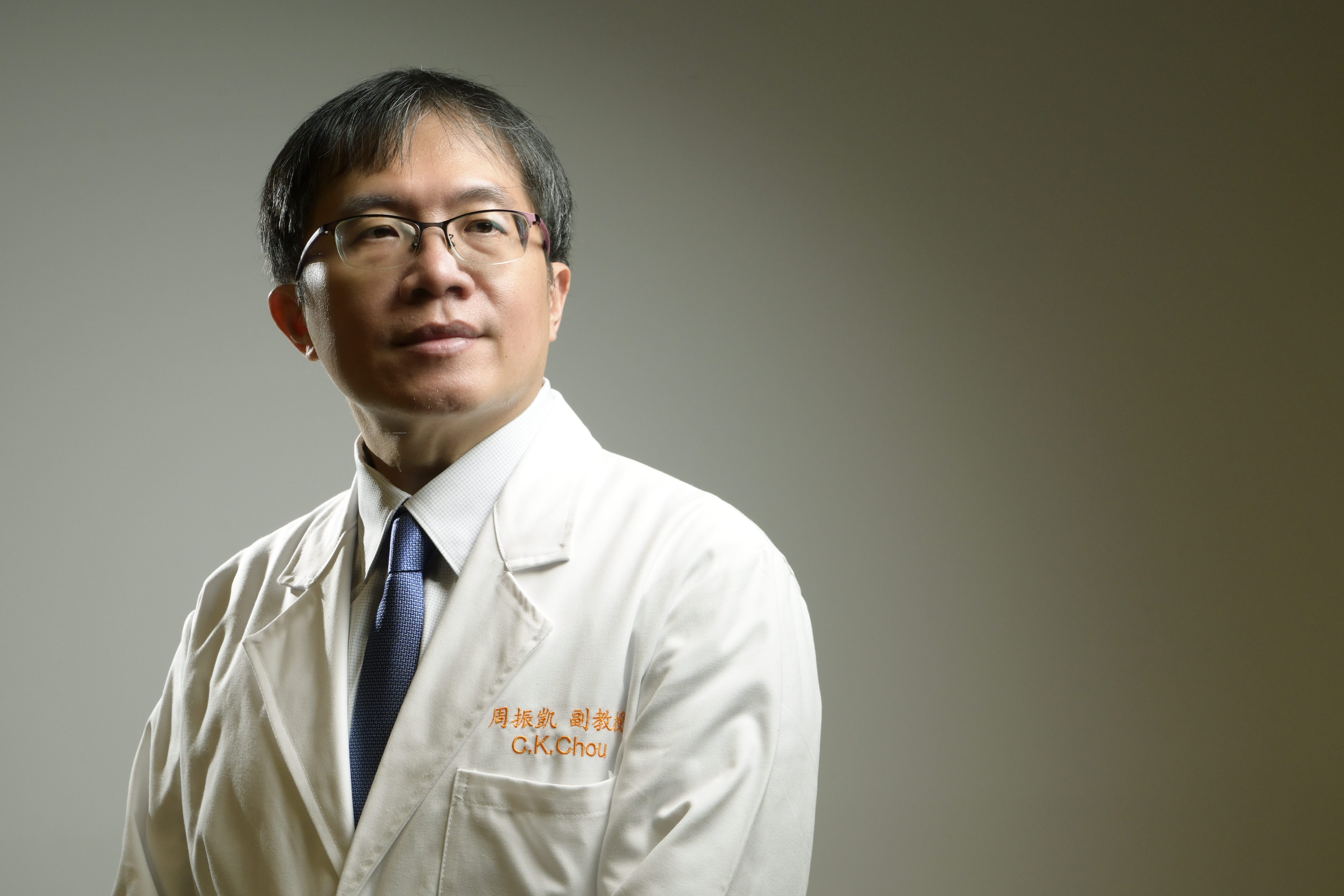
Chen-Kai Chou, known in Mandarin as 周振凱, is a distinguished figure in the field of endocrinology, whose career is marked by a profound dedication to both clinical practice and academic advancement. Dr. Chou's journey in medicine commenced with his Ph.D. from the Graduate Institute of Clinical Medical Sciences at Chang Gung University in Taiwan, which he completed in 2016. His education laid a robust foundation for his career, equipping him with the necessary skills and knowledge to excel in both the clinical and research domains.Following his Ph.D., Dr. Chou further honed his expertise as a Clinical and Research Fellow in Endocrinology at Chang Gung Memorial Hospital's Kaohsiung Medical Center. Between 2005 and 2007, he immersed himself in both clinical practice and advanced research, forging a path that would lead him to make significant contributions to the field. His fellowship experience was instrumental in shaping his research direction, focusing primarily on the molecular genetics of thyroid neoplasms, with a particular interest in papillary cancer.Dr. Chou's academic career has been equally impressive. Since 2013, he has served as an Assistant Professor at Chang Gung University of Science and Technology in Taipei, Taiwan. In this capacity, Dr. Chou has contributed to the academic community not only through his teaching but also by mentoring the next generation of medical professionals. His role as an educator complements his research efforts, as he integrates cutting-edge scientific discoveries into the classroom, thereby bridging theoretical knowledge with practical application.In 2020, Dr. Chou ascended to the role of Chief of the Department of Endocrinology and Metabolism at Chang Gung Memorial Hospital in Kaohsiung. In this leadership position, he has been pivotal in advancing departmental operations and patient care strategies, ensuring that clinical practices are informed by the latest research findings. His leadership is characterized by a commitment to integrating multidisciplinary approaches to patient care, reflecting his belief in comprehensive treatment methods.Dr. Chou's research interests focus on the intricate molecular genetics of thyroid neoplasms, particularly papillary cancer, an area where he has made substantial contributions. His work aims to unravel the complexities of genetic mutations and their implications for cancer treatment and diagnosis. Through his research, Dr. Chou seeks to enhance the understanding of thyroid cancer at the molecular level, which could lead to more targeted and effective treatment strategies.Throughout his career, Dr. Chen-Kai Chou has exemplified the harmonization of clinical excellence, academic leadership, and research innovation. His contributions to medical science, particularly in endocrinology, continue to impact both local and international communities. Through his ongoing endeavors, Dr. Chou not only advances medical science but also inspires his students and colleagues, demonstrating the profound impact of integrating research with clinical practice.
21 MARCH
| Time | Session |
|---|---|
|
08:30
10:00
|
New Development in Thyroid Cancer Management
Guodong FuCanada
Moderator
Preoperative Molecular Testing for Thyroid NodulesTitle: Preoperative Quantitative Molecular Testing for a Definitive Cancer Diagnosis among Patients with Thyroid Nodules
Objective: Molecular testing is increasingly used in the assessment of thyroid nodules. Tumors harboring the same genomic variant may not behave the same because a gene variant is not expressed equally in tumor cells among patients. This study is to delineate interpatient variabilities in genomic variants in thyroid tumors and assess their diagnostic significance in definitive thyroid cancer diagnosis.
Methods: Interpatient differences in BRAF V600E, TERT promoter, and RAS variants (ie, NRAS, HRAS, and KRAS) were analyzed in residual thyroid fine-needle aspiration (FNA) biopsies and compared with surgical histopathologic diagnoses. Malignancy rates, sensitivity, specificity, positive predictive values (PPV), and negative predictive values (NPV) were calculated.
Results: This retrospective study enrolled 620 patients (470 [75.8%] female; mean [SD] age, 50.7 [15.9] years), including 438 surgically resected thyroid tumors and 249 thyroid nodule FNA biopsies. Of 438 tumors, 178 (40.6%) and 58 (13.2%) carcinomas were detected with interpatient variabilities of BRAF V600E and TERT promoter variants (C228T and C250T), with variant allele fraction (VAF) levels ranging from 0.03% to 48.56% and 0.13% to 54.74%, respectively. Furthermore, 89 (20.3%) were identified with the presence of RAS variants, including 51 (11.6%) with NRAS, 29 (6.6%) with HRAS, and 9 (2.1%) with KRAS, with VAF levels ranging from 0.15% to 51.53%. VAF assays of 249 residual FNA specimens identified 50 specimens (20.1%) with BRAF V600E, 25 FNAs (10.0%) with TERT promoter variants, and 36 specimens (14.5%) with RAS variants with interpatient variabilities (including 23 FNAs [9.2%] with NRAS, 10 FNAs [4.0%] with HRAS, and 3 FNAs [1.2%] with KRAS). Interpatient differences in the 5 gene variants (NRAS, HRAS, KRAS, BRAF, and TERT) were detected in 54 of 126 indeterminate FNAs (42.9%) and 18 of 76 ND FNAs (23.7%). Compared with the 5 gene variants detected in the matched surgical specimens, VAF assays on residual FNA biopsies exhibited a high agreement (κ = 0.80; P < .001) and demonstrated a sensitivity of 87.1% (95% CI, 69.2%-95.8%), specificity of 92.5% (95% CI, 78.5%-98.0%), PPV of 90.0% (95% CI, 72.3%-97.4%), and NPV of 90.2% (95% CI, 75.9%-96.8%).
Conclusions: This diagnostic study delineated that quantitative discrimination of interpatient variabilities in genomic variants could facilitate cytology examinations in preoperative precision malignancy diagnosis among patients with thyroid nodules.
Won Gu KimSouth Korea
Moderator
Advances in the Treatment of Radioactive Iodine-Refractory Differentiated Thyroid Cancer: Multikinase Inhibitors and Beyond – An Asian PerspectiveDifferentiated thyroid cancer (DTC) arising from follicular cells generally has a good prognosis; however, about 5-10% of patients experience recurrence or distant metastasis. High-dose radioactive iodine (RAI) therapy is the mainstay of treatment for metastatic DTC, but its efficacy depends on the iodine avidity of the tumor. Iodine uptake of metastatic lesions tends to decline over time, and ultimately, around 60-70% of metastatic cases become refractory to RAI therapy. Patients whose metastases remain RAI-avid have a median survival approaching 10 years, whereas those with RAI-refractory disease have a roughly 10% of 10 10-year survival. Because the clinical course of RAI-refractory DTC is variable, it is critical to determine which patients should receive systemic therapy with a tyrosine kinase inhibitor (TKI) and how to integrate local treatment before and during systemic therapy.
TKIs such as sorafenib and lenvatinib, which primarily inhibit tumor angiogenesis, have been approved. The DECISION trial reported that sorafenib achieved a median progression-free survival (PFS) of 10.8 months compared with 5.8 months in the control group. The SELECT trial showed that lenvatinib achieved a median PFS of 18.3 months versus 3.6 months in controls. Based on these results, sorafenib and lenvatnib are now widely used as the first-line treatments for patients with RAI-refractory DTC who have progressive or symptomatic metastatic disease. A recent multi-center real-world study in Korea suggested that lenvatinib provides better efficacy and longer PFS (median 35.3 months) than sorafenib (median 13.3 months, p<0.001). However, lenvatinib is also associated with higher rates of adverse events such as hypertension (95%) and proteinuria (80%). These TKIs show activity irrespective of the underlying genetic alterations that drive thyroid cancer.
Recently, selective NTRK and RET inhibitors have been developed for solid tumors harboring NTRK or RET gene fusions, and their efficacy has been confirmed in clinical trials. In addition, genetic testing to identify actionable mutations is increasingly being incorporated into practice, and personalized treatment approaches are reflected in current clinical guidelines. A recent Korean multicenter study found that approximately 31% of patients with RAI-refractory thyroid cancer who had wild-type BRAF carried targetable gene fusions. The choice and sequencing of TKI, the optimal timing of their use, strategies to prevent and manage adverse events, and individualized treatment plans based on patient characteristics will be crucial for improving clinical outcomes in patients with RAI-refractory thyroid cancer.
201BC
|