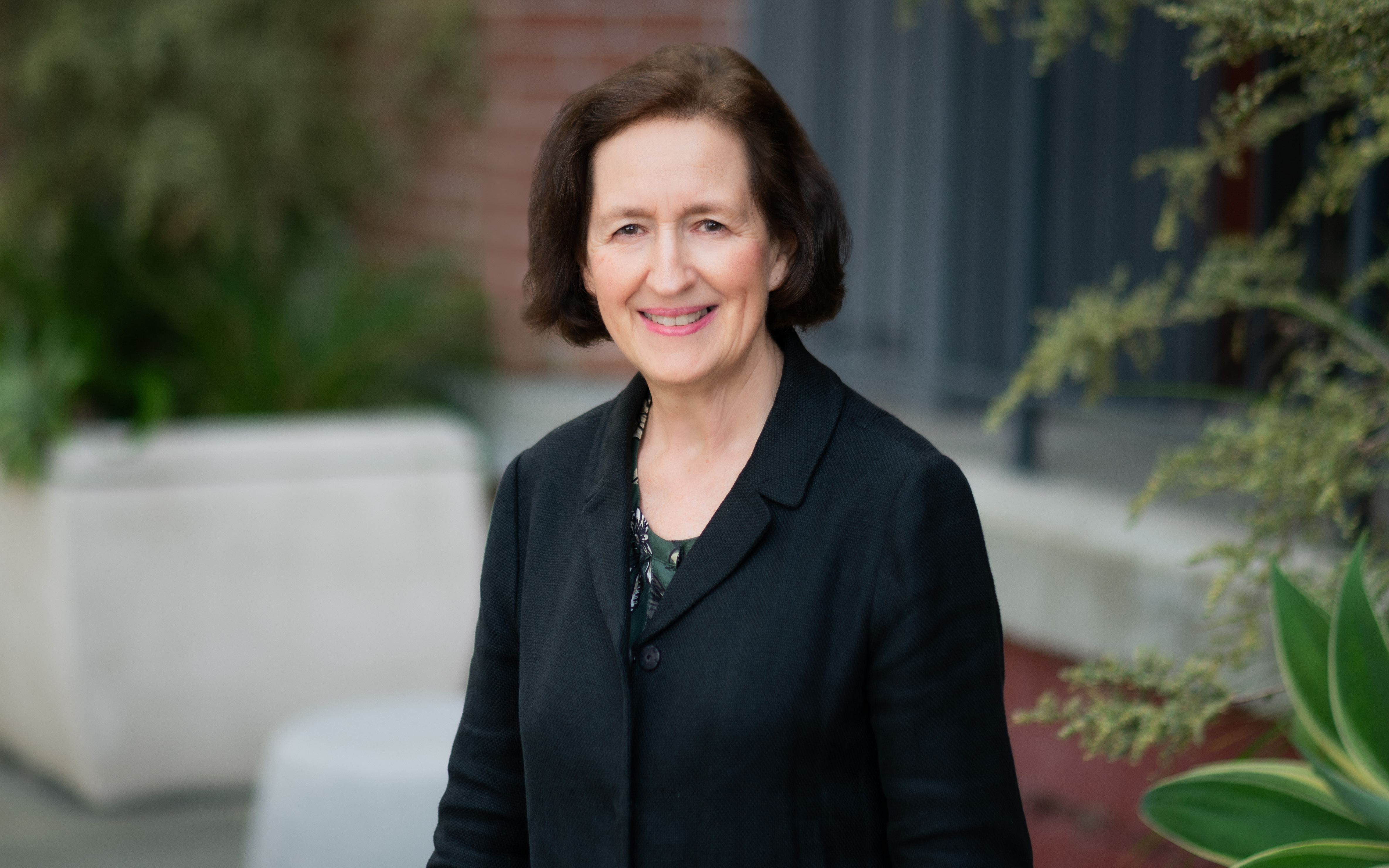
Dolores Shoback received her Bachelor’s Degree from the University of Pennsylvania and graduated from the Johns Hopkins University School of Medicine in 1977. She trained in Internal Medicine at the Johns Hopkins Hospital on the Osler Medical Service before completing clinical and research fellowships in Endocrinology/Hypertension at Harvard Medical School in 1983. She joined the faculty of the University of California, San Francisco in 1985 in the Department of Medicine where she is currently Professor of Medicine and Staff Endocrinologist at the San Francisco Veterans Affairs Medical Center and Associate Director of the Diabetes, Endocrinology and Metabolism Fellowship Training Program at UCSF. She has research interests in the mechanisms underlying the regulation of parathyroid hormone secretion with specific focus on the role of calcium-sensing receptors in parathyroid cells and osteoblasts. Her clinical activities and clinical research interests focus on metabolic bone diseases, parathyroid disorders, and osteoporosis. She has participated in investigations into the role of calcium receptor activation in the control of parathyroid hormone hypersecretion in primary hyperparathyroidism and parathyroid carcinoma and in conducted clinical trials on the use of parathyroid hormone in the treatment of osteoporosis and as replacement therapy in the treatment of hypoparathyroidism. She has co-authored over 180 papers, reviews and editorials. She served as Secretary-Treasurer of the Endocrine Society (2019-2022). She participated in developing guidelines for the management of primary hyperparathyroidism (2008, 2013, 2016), treatment of postmenopausal osteoporosis for the Endocrine Society (2013-20), and management of hypoparathyroidism in adults for the European Society of Endocrinology (2013-2015) and the First (2016) and Second International Workshops on Hypoparathyroidism (2021-22). She served on the Delphi panel for the MEN1 Management Guidelines (2024/25) and is a member of ASBMR Task Force on alignment of osteoporosis guidelines (2025). She is a recipient of the Sidney Ingbar Award for Distinguished Service to the Endocrine Society (2016) and the Endocrine Society Scholarly Physician Award (2024).
21 MARCH
| Time |
Session |
|
|
11:10
11:50
|
Vivien LimSingapore
Moderator
The Danger of Obesity in South East Asia and Practical Tips in the Clinic Obesity is steadily increasing in South East Asia (SEA) and with it comes complications naturally follow from it - metabolic, physical and mental. The talk will touch on the following:
- the prevalence of this and the changes over time
- the rising burden of it
- practical tips that can aid in the clinic including busting myths and misconceptions that hamper its management
-
Dolores ShobackUnited States
Speaker
Update in OsteoporosisMany issues in osteoporosis management are challenging in clinical practice. Factors in fracture risk assessment include those in the FRAX algorithm as well as imminent fracture risk in the next 1-5 years. Highest risk individuals benefit most from aggressive therapies targeted to increase bone mineral density (BMD) and reduce fracture rates as rapidly as possible to enhance bone strength. Sequential therapeutic strategies with repeated courses of both anabolic and antiresorptive treatments are becoming the norm for highest risk patients. Yet clinicians are often without trial data to predict clinical outcomes. Bisphosphonate treatment holidays are often employed to allow for a return of bone remodeling with the goal of microdamage repair and avoiding oversuppression of turnover. Yet the duration and monitoring of such treatment interruptions have not been rigorously established. The safety and efficacy of repeated courses of anabolic agents in the lifespan of a patient have not been well studied. The biologic basis for achieving effective BMD responses in sequential therapy is not known. Despite the long use of denosumab and bisphosphonates in clinical care, how to interrupt safely, and how to sequence these therapies most effectively are not known. Rebound increases in bone remodeling after stopping treatment with the RANK-ligand inhibitor denosumab and the challenges of treating patients with advanced chronic kidney disease with denosumab remain unsolved. The bifunctional monoclonal antibody to sclerostin romosozumab, while potent at increasing BMD due to its anabolic and antiresorptive actions, may have off-target cardiovascular adverse effects. Patients who are obese or with diabetes using GLP1 receptor agonists and SGLT2 inhibitors have risks to bone health with rapid weight loss and or direct effects on bone. Ultimately, clinicians must make decisions on patient management based on individual risk assessment and anticipated pathophysiology of the low BMD and risk in that patient.Challenging Parathyroid CasesThis session will review cases of primary, secondary and tertiary hyperparathyoidism and their management. The recommendations for screening patients with possible MEN1 and its manifestations will be reviewed. The role for parathyroid autotransplantation in the management of MEN1 hyperparathyroidism and in postsurgical hypoparathyroidism will be reviewed. A newly released form of parathyroid hormone (PTH) replacement will be discussed in the setting of chronic hypoparathyroidism in adults. Palopegteriparatide has been released for the treatment of chronic hypoparathyroidism and has shown strong efficacy on the control of the biochemical parameters (serum and urine calcium levels, serum phosphate, the Ca x phosphate product) as well as on the quality of life. Updated guidance on considering the use of PTH replacement is being developed and will be discussed. Additionally, the role combined functional and structural localization of parathyroid tissue(s) in the setting of recurrent primary hyperparathyroidism will be reviewed.
101
|
|
17:30
18:00
|
Parathyroid
-
Dolores ShobackUnited States
Speaker
Update in OsteoporosisMany issues in osteoporosis management are challenging in clinical practice. Factors in fracture risk assessment include those in the FRAX algorithm as well as imminent fracture risk in the next 1-5 years. Highest risk individuals benefit most from aggressive therapies targeted to increase bone mineral density (BMD) and reduce fracture rates as rapidly as possible to enhance bone strength. Sequential therapeutic strategies with repeated courses of both anabolic and antiresorptive treatments are becoming the norm for highest risk patients. Yet clinicians are often without trial data to predict clinical outcomes. Bisphosphonate treatment holidays are often employed to allow for a return of bone remodeling with the goal of microdamage repair and avoiding oversuppression of turnover. Yet the duration and monitoring of such treatment interruptions have not been rigorously established. The safety and efficacy of repeated courses of anabolic agents in the lifespan of a patient have not been well studied. The biologic basis for achieving effective BMD responses in sequential therapy is not known. Despite the long use of denosumab and bisphosphonates in clinical care, how to interrupt safely, and how to sequence these therapies most effectively are not known. Rebound increases in bone remodeling after stopping treatment with the RANK-ligand inhibitor denosumab and the challenges of treating patients with advanced chronic kidney disease with denosumab remain unsolved. The bifunctional monoclonal antibody to sclerostin romosozumab, while potent at increasing BMD due to its anabolic and antiresorptive actions, may have off-target cardiovascular adverse effects. Patients who are obese or with diabetes using GLP1 receptor agonists and SGLT2 inhibitors have risks to bone health with rapid weight loss and or direct effects on bone. Ultimately, clinicians must make decisions on patient management based on individual risk assessment and anticipated pathophysiology of the low BMD and risk in that patient.Challenging Parathyroid CasesThis session will review cases of primary, secondary and tertiary hyperparathyoidism and their management. The recommendations for screening patients with possible MEN1 and its manifestations will be reviewed. The role for parathyroid autotransplantation in the management of MEN1 hyperparathyroidism and in postsurgical hypoparathyroidism will be reviewed. A newly released form of parathyroid hormone (PTH) replacement will be discussed in the setting of chronic hypoparathyroidism in adults. Palopegteriparatide has been released for the treatment of chronic hypoparathyroidism and has shown strong efficacy on the control of the biochemical parameters (serum and urine calcium levels, serum phosphate, the Ca x phosphate product) as well as on the quality of life. Updated guidance on considering the use of PTH replacement is being developed and will be discussed. Additionally, the role combined functional and structural localization of parathyroid tissue(s) in the setting of recurrent primary hyperparathyroidism will be reviewed.
201BC
|