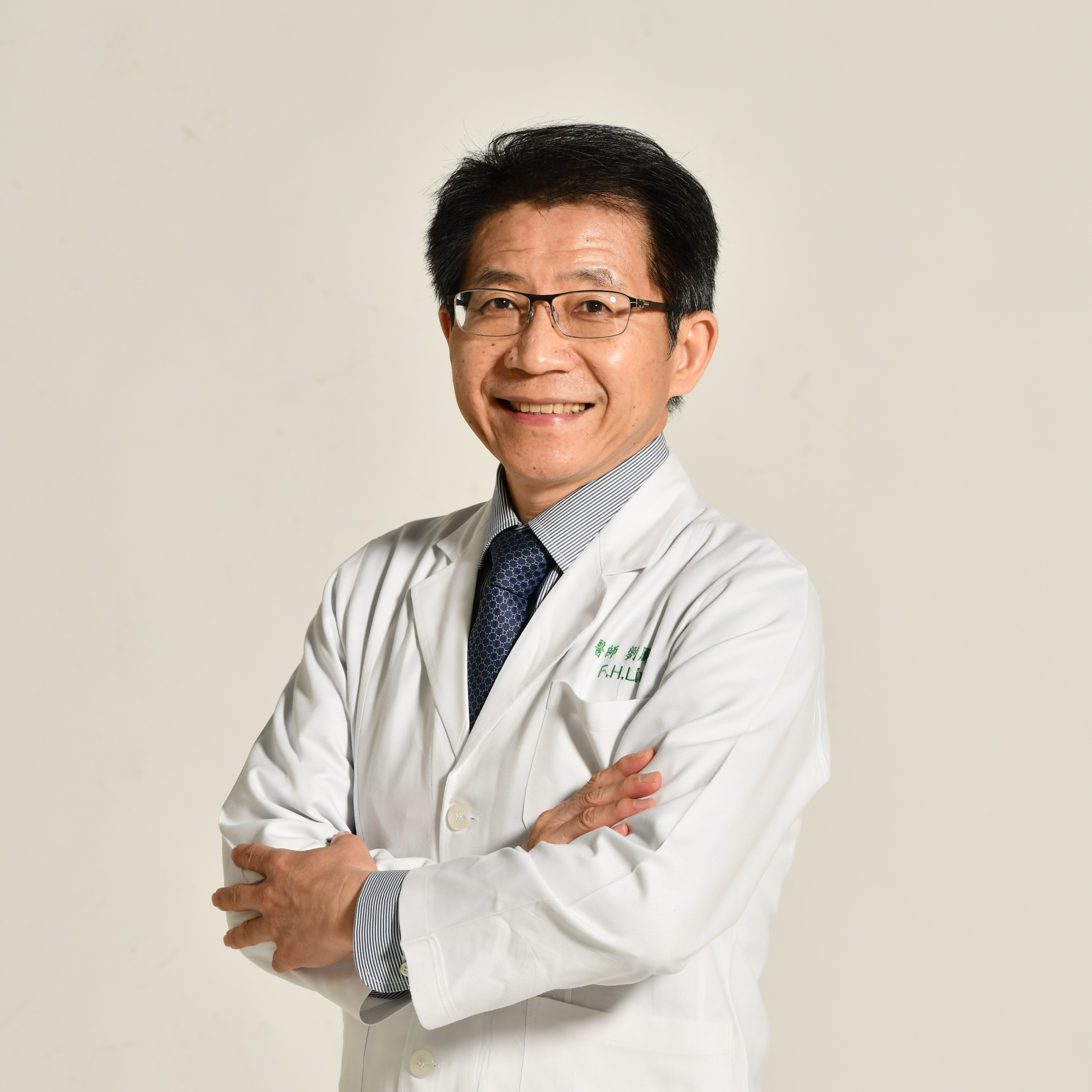
Feng-Hsuan LiuProf. Taiwan

Feng-Hsuan LiuProf.
An Endocrinologist of Chang Gung Memorial Hospital. Also, Director of Division of Endocrinology & Metabolism. Specialist in Thyroidology and Diabetology.

20 MARCH

Time Session
08:30
11:30
  • Jung Hwan BaekSouth Korea Speaker Standard and Advanced Techniques for Thyroid RFAThermal ablation, especially radiofrequency ablation (RFA), is promising technique not only for benign thyroid nodules but also for thyroid cancers. In various thyroid tumors, RFA effectively improves tumor-related symptoms and cosmetic problems by reducing tumor volume. RFA is recently adopted to recurrent and primary thyroid cancers. In terms of complication, major complication rate was reported as 1.4% - 8% according to the types, locations and size of the thyroid tumors. Therefore, proper techniques and experience of operators are key factors to achieve effective and safe RFA. To maximize efficacy and to minimize complications, the Korean Society of Thyroid Radiology Guidelines (KSThR Guidelines 2012, 2017, and 2025) recommend the use of standard techniques; the perithyroidal lidocaine injection to control pain, trans-isthmic approach, moving-shot technique and hydrodissection (HD) technique. Furthermore, KSThR Guidelines recommend advanced techniques, such as vascular ablation, bolus injection of cold water (to manage nerve damage problems) or tracheal stent assisted RFA. In this lecture, therefore I will introduce various standard and advanced techniques to maximize the ablation zone and to minimize injury of surrounding critical structures. Furthermore, I will briefly touch “how to combine proper device and techniques” for thyroid RFA.The Efficacy and Safety of RFA for PTMC in Long-Term Cohort Study: Do Above and BeyondThe incidence of thyroid cancer has increased not only in Korea, but in worldwide. This situation is mainly due to an increase in the over detection of small papillary thyroid carcinomas (PTCs) using high-resolution ultrasonography (US). Almost all newly detected thyroid cancers are small papillary thyroid cancers (PTCs), while the incidence of large PTCs and aggressive histological types has remained stable. In addition, mortality of thyroid cancer has remained stable in Korea. Therefore, several studies have suggested over-diagnosis of small thyroid cancers, especially papillary thyroid microcarcinomas (PTMC). Since the majority of PTMCs progress slowly and show excellent outcome and considering the drawbacks of surgery including voice change or hypoparathyroidism, it is time to re-evaluate the role of surgery (especially immediate surgery) for all biopsy proven PTMCs. According to publications from South Korea and other countries, the incidence of thyroid carcinoma had increased 15-fold between 1993 and 2011; however, its mortality rate did not decrease. Moreover, the number of patients who suffered from surgical complications increased significantly. Considering the exceedingly low disease-specific mortality rate of PTMCs and the potential complications of thyroidectomy, it is imperative to consider alternative management strategies for PTMC management. Therefore, this lecture will review the current oncologic outcome (in both short and long-term follow-up studies) of thermal ablation in PTMC and compare it with the results of active surveillance and surgery.
  • Hendra ZufryIndonesia Speaker The Efficacy and Safety of Thyroid RFA: The Latest UpdatesRadiofrequency ablation (RFA) of the thyroid has emerged as a minimally invasive alternative to surgery for benign cystic and solid nodules, low risk papillary thyroid microcarcinoma (PTMC), and recurrent thyroid cancer. Standardized training and international guidelines have facilitated its global adoption. Long term efficacy and safety data position thyroid RFA as a primary treatment compared with other thermal techniques. In recurrent thyroid cysts, RFA achieves a mean volume reduction ratio (VRR) of 87 ± 11.6 % after one session, outperforming ethanol ablation. For benign solid nodules, a single treatment yields 98.8 % VRR at ten year follow up. Larger nodules (> 20 mL) or multinodular goiters often require multiple sessions to optimize shrinkage, cosmesis, and symptom relief. Autonomous thyroid nodules (ATNs) under 30 mL demonstrate rapid VRR and early TSH normalization, while larger ATNs reach approximately 70 % VRR by six months, correlating with euthyroidism. In indeterminate Bethesda III nodules with low suspicion ultrasound features, RFA delivers 87.4 % VRR at one year in surgery averse patients; Bethesda IV lesions achieve 94.9 ± 6.1 % VRR. In low risk PTMC, RFA produces 100 % VRR without disrupting thyroid function over two years, offering an alternative to active surveillance. Early stage papillary thyroid cancers (T1a/T1b) show 99.31 % VRR at 48 months, with higher disappearance rates in T1a. In recurrent papillary carcinoma, RFA attains 100 % VRR and comparable disease free survival to reoperation, with fewer complications. A case of recurrent cervical medullary carcinoma reported 68.6 % VRR at six months. Complication rates are low. Pre procedural risks include lidocaine toxicity; intra procedural events comprise pain, hematoma, burns, and transient voice changes; post procedural issues may involve mild thyroid dysfunction, discomfort, or rare nodule rupture. These events are generally mild and non–life threatening. Optimal outcomes depend on meticulous patient preparation, advanced electrode design, precise anatomic knowledge, judicious anesthesia, and high operator proficiency in basic and advanced RFA techniques. Patient satisfaction scores are consistently high, reflecting improved quality of life and favorable aesthetic outcomes. Key Word : Thyroid RFA, Efficacy, Safety Profile, Long term Data.
  • Kai-Lun ChengTaiwan Speaker How to Manage Complications of Thyroid RFA
201DE
12:30
15:30
  • Chia-Luen HuangTaiwan Speaker Group instructions Thyroid tumor is one of the most common endocrine abnormalities, and its incidence has been steadily rising over recent decades. While traditional treatments often involve surgery and active surveillance, advancements in minimally invasive techniques have introduced radiofrequency ablation (RFA) and microwave ablation (MWA) as a viable alternative. The workshop delves into the role of radiofrequency ablation and other minimally intervention therapies in treating thyroid tumors, highlighting its benefits, procedures, and considerations.
  • Chia-Luen HuangTaiwan Speaker Group instructions Thyroid tumor is one of the most common endocrine abnormalities, and its incidence has been steadily rising over recent decades. While traditional treatments often involve surgery and active surveillance, advancements in minimally invasive techniques have introduced radiofrequency ablation (RFA) and microwave ablation (MWA) as a viable alternative. The workshop delves into the role of radiofrequency ablation and other minimally intervention therapies in treating thyroid tumors, highlighting its benefits, procedures, and considerations.
    He-Jiun JiangTaiwan Speaker Redifferentiation Strategies in Refractory Thyroid Cancer: First Insights from TaiwanBackground: Patients with BRAF p.V600E-mutated radioactive iodine-refractory differentiated thyroid cancer (RAIR-DTC) face a poor prognosis. While MAPK pathway inhibition can restore radioiodine (RAI) avidity, standard full-dose protocols (e.g., MERAIODE) are often associated with significant toxicity (Grade 3/4 adverse events >20%). This study investigates the efficacy and safety of a novel low-dose, pulsed redifferentiation strategy in a real-world Asian cohort. Methods: We conducted a retrospective cohort study of 24 patients with metastatic BRAF p.V600E RAIR-PTC. Patients received a 60-day induction regimen of Dabrafenib (75 mg BID) and Trametinib (2 mg QOD, every other day). A "Treat-All" strategy was employed, omitting diagnostic scanning to avoid stunning effects, followed by a fixed therapeutic dose of 131-I (150-200 mCi). Primary endpoints included RAI uptake restoration, objective response rate (ORR), disease control rate (DCR), and safety profile. Results: RAI avidity was restored in 83.3% of patients. The regimen demonstrated an exceptional safety profile without Grade 3/4 adverse events. While the ORR was 16.7%, the DCR reached 83.3% at 6 months. Age <55 years was identified as the most significant predictor for objective tumor regression (p=0.007). Furthermore, the study highlights the clinical value of "TKI-Free Survival," with 88.9% of prior TKI users achieving a sustained drug holiday. Conclusion: The low-dose, pulsed BRAF/MEK inhibition protocol offers a highly tolerable and effective redifferentiation strategy. While tumor shrinkage is less pronounced than with full-dose regimens, the high rate of disease control and excellent safety profile make it a viable option for stabilizing disease and improving quality of life, particularly for younger patients (<55) or those intolerant to standard TKI therapy.
    Kai-Lun ChengTaiwan Speaker How to Manage Complications of Thyroid RFA
201AF
13:50
15:20
Update in Primary Aldosteronism
Mitsuhide NaruseJapan Moderator Update in Primary AldosteronismPrimary aldosteronism (PA) is linked to significantly greater cardiovascular morbidity and mortality than essential hypertension, yet it offers a more favorable prognosis when appropriately treated. Early detection and targeted therapy are therefore essential for achieving optimal long-term outcomes and preserving quality of life. Since the release of the Endocrine Society’s guidelines in 2010, several countries—including Japan—have developed national recommendations (e.g., Endocrine Journal, 2021). This reflects growing awareness and research momentum, with over 3,500 publications in the past decade. In Japan, we have established a national PA registry and conducted multicenter studies under the Japan Primary Aldosteronism Study (JPAS), supported by AMED, resulting in more than 40 publications as Japan-originated evidence. Diagnostic protocols have become increasingly standardized, encompassing initial screening, confirmatory testing, subtype classification via adrenal venous sampling (AVS), and tailored treatment—mineralocorticoid receptor (MR) antagonists for bilateral PA and adrenalectomy for unilateral PA. The integration of PA screening into routine hypertension care, alongside the standardization of diagnostic methods, has led to substantial improvements in clinical practice. However, key challenges remain. These include variability in assay methods (e.g., PRA vs. ARC for renin; CLEIA vs. RIA for aldosterone), which affects diagnostic thresholds; uncertainty regarding optimal cutoffs for screening and confirmatory tests; lack of consensus on AVS protocols (with or without cosyntropin); and ongoing debates over the role of non-invasive imaging and advanced surgical approaches (laparoscopic vs. robot-assisted adrenalectomy). These unresolved issues warrant evaluation through a cost-effectiveness lens. As PA diagnostics become increasingly integrated into hypertension management, a fundamental question emerges: How far should we go in diagnosing PA? This presentation will provide an updated overview of clinical practice and address these critical challenges in PA management.Do We Still Need Confirmatory Testing?
  • Hirotaka ShibataJapan Speaker 2026 Update in Primary AldosteronismPrimary aldosteronism (PA) is one of the most prevalent causes for secondary hypertension. Early diagnosis and treatment are mandatory, because patients with PA present markedly higher morbidity of cardiovascular diseases than those with essential hypertension whose blood pressure levels are equally managed. A recently published Endocrine Society Clinical Practice Guideline of PA emphasizes several points. First, screening for PA with serum/plasma aldosterone concentration and plasma renin (concentration or activity) is recommended in all individuals with hypertension. Second, in individuals who screen positive for PA, aldosterone suppression testing is suggested when screening results suggest an intermediate probability for lateralizing PA, but not all cases. Third, in individuals with PA, medical therapy or surgical therapy with the choice of therapy based on lateralization of aldosterone hypersecretion and candidacy for surgery. Fourth, in individuals with PA considering surgery, adrenal lateralization with CT scanning and adrenal venous sampling prior to deciding the treatment approach is suggested. Fifth, in individuals with PA receiving PA-specific medical therapy, mineralocorticoid receptor antagonists (MRAs) are suggested as the dose is titrated by monitoring potassium, renal function, renin (concentration or activity) and blood pressure response during follow-up. We should be aware that diversity exists with respect to aldosterone assays, cut-off values for screening and aldosterone suppression tests, AVS standardization issues, and choice of MRAs depending on countries.   Diagnosis and Management of Adrenal InsufficiencyThe diagnosis and management of adrenal insufficiency presents major clinical challenges. It is often unrecognized, which can lead to adrenal crisis and, if not identified and treated, death. There is a lack of understanding on who is at risk of adrenal insufficiency, how to test for it, and how to manage a life threatening adrenal crisis promptly. While primary and secondary adrenal insufficiency can be regarded as rare conditions, glucocorticoid-induced adrenal insufficiency might be quite common. One should consider glucocorticoid withdrawal syndrome that may occur during glucocorticoid taper. Patient education in raising awareness of glucocorticoid withdrawal syndrome, such as fatigue and reduced appetite, is important when tapering glucocorticoid doses. The symptoms of glucocorticoid withdrawal syndrome may resemble adrenal insufficiency, but HPA axis is normally functional. The degree and persistence of adrenal suppression after cessation of glucocorticoid therapy are dependent on overall exposure and recovery of adrenal function varies greatly among individuals. Upcoming ICE2026/JES2026: Enlightened Endocrinology in Unprecedented TimesWe are pleased to announce that the 22nd International Congress of Endocrinology (ICE2026) and the 99th Annual Congress of the Japan Endocrine Society (JES2026) will be held together at the Kyoto International Conference Center (ICC Kyoto) over five days from June 2 (Tue) to 6 (Sat), 2026 (ICE2026/JES2026). The International Congress of Endocrinology (ICE) is held every two years, and after 1988 and 2010, this will be the third time that the Congress will be held in Japan. The Japan Endocrine Society (JES) has been actively involved in the International Society of Endocrinology (ISE) since its establishment, and as the JES will celebrate its 100th anniversary in fiscal year 2026, hosting the congress in Japan will be an especially valuable opportunity for JES members. The theme of ICE2026/JES2026 is: Enlightened Endocrinology in Unprecedented Times. Globally, we are entering an unprecedented era, including digitalization, which has been rapidly accelerated by the experience of the COVID-19 pandemic; a super-aging society, which is mainly faced by developed countries; and extreme weather events, as exemplified by global warming. In the midst of these unprecedented times, we will gather in Kyoto - the birthplace of the Japan Endocrine Society - to discuss the new century of clinical and basic research in various fields of endocrinology. Participants from all over the world are encouraged to present cutting-edge science from their respective countries, and through active discussions, we hope that you will experience the “Enlightened Endocrinology” of endocrinology in this unprecedented era. In June, flowers bloom profusely at shrines and temples in Kyoto with the blessings of water, and shrine gardens and hydrangea gardens are open to the public. We look forward to welcoming participants from all over the world to Kyoto - the ancient capital of Japan - and discussing the future of endocrinology!
  • Edith ChowHong Kong, China Speaker Personalizing Hypertension Treatment through Renin-Angiotensin-Aldosterone Physiology: Are We There Yet?Hypertension is the leading cardiovascular risk factor accounting for the global burden of cardiovascular disease and death. Renin-angiotensin-aldosterone-system takes a crucial role as the regulator in maintaining the body’s electrolyte homeostasis. RAAS overactivity is a key pathophysiological mechanism in hypertension. Dysregulation of the RAAS is closely tied to development of hypertension. Primary aldosteronism is a disorder characterised by renin-independent aldosterone excess, manifesting as hypertension with greater risk of end-organ damage compared to individuals with essential hypertension. Recent guidelines for hypertension and primary aldosteronism have uniformly advocated for an expanded screening strategy for primary aldosteronism to improve awareness and detection of this treatable secondary cause of hypertension. Traditionally, screening for primary aldosteronism has relied on the conception that it is a dichotomous condition. However, increasing evidence have suggested that renin and aldosterone abnormalities may exist on a continuum of clinical severity. In individuals with elevated blood pressure and family history of hypertension, higher levels of aldosterone are associated with greater risks of incident hypertension. Among normotensive individuals, the association between high aldosterone and incident hypertension were only evident among those with a suppressed renin, suggesting a phenotype of subclinical aldosterone excess. On the other hand, among individuals with resistant hypertension, targeting RAAS overactivity with mineralocorticoid antagonists have demonstrated superior blood pressure reduction compared to beta-blockers or alpha-blockers, especially in those with lower renin levels. With the development of novel treatments for hypertension that target RAAS, including aldosterone synthase inhibitors and non-steroidal mineralocorticoid inhibitors, there is growing interest in the role of RAAS hormones or metabolites as biomarkers to guide diagnosis, prognostication and management of hypertension. Building upon this foundation, this talk will explore the potential role of aldosterone, renin and their metabolites as biomarkers in diagnosing and treating individuals with hypertension.
  • Vincent WuTaiwan Speaker From Taiwan to the World: The TAIPAI Journey Transforming Primary AldosteronismPrimary aldosteronism (PA) is an increasingly recognized cause of secondary hypertension, affecting an estimated 5%-15% of hypertensive patients. This condition, once thought to be rare, is now understood to be a relatively common contributor to high blood pressure, particularly in cases resistant to standard antihypertensive therapies. PA arises primarily from either bilateral adrenal hyperplasia or an aldosterone-producing adenoma. The pathophysiology of PA is characterized by excessive and autonomous secretion of aldosterone, an adrenal hormone that plays a critical role in regulating blood pressure and fluid balance. Diagnosing PA involves a multi-step process, beginning with screening tests to identify at-risk individuals, followed by confirmatory tests, and finally, subtype differentiation to determine the specific cause of the condition. Screening is especially recommended for patients who present with certain risk factors, such as resistant hypertension, unexplained hypokalemia, or an onset of hypertension at a young age (under 40 years). Family history of PA, early signs of target organ damage, the presence of an adrenal incidentaloma, obstructive sleep apnea, unexplained atrial fibrillation, and psychosomatic symptoms are also significant indicators warranting screening. Additionally, patients with hypertension but no other comorbidities should be evaluated for PA, as it could be the underlying cause. PA does not occur in isolation; it is often found to coexist with Mild Autonomous Cortisol Secretion (MACS). This co-occurrence presents a more complex clinical picture, as MACS can further aggravate the cardio-renal-vascular complications already associated with PA. Moreover, it can contribute to abnormalities in glucose metabolism, increasing the risk of diabetes and other metabolic disorders. One of the key challenges in the diagnosis and management of PA, particularly when MACS is present, lies in accurately interpreting the aldosterone-to-cortisol ratios during adrenal venous sampling, a critical step in subtype differentiation.
201BC
18:00
18:30
  • Takashi AkamizuJapan Speaker History of AOCEThe 1st Asian-Oceanian Congress of Endocrinology (AOCE) was held in Kyoto in 1959, one year prior to the 1st International Congress of Endocrinology (ICE). Subsequently, the AOCE was held every four years until the 16th Congress in Yogyakarta, Indonesia, in 2018. Subsequently, AOCE shifted to a biennial schedule, with the 17th AOCE scheduled for Seoul, South Korea in 2020. However, the 18th AOCE was inevitably held online due to the COVID-19 pandemic. Now is an opportune moment to reflect on AOCE's history and move forward toward future development.
101

21 MARCH

Time Session
08:30
10:00
Precision Medicine in Endocrinology
Iris Isip-TanPhilippines Moderator AI applications and insulin managementArtificial intelligence is evolving from novel research concepts to practical clinical tools. This presentation will provide a broad overview of the current AI ecosystem, from automated insulin delivery (AID) systems to machine learning algorithms designed for glucose prediction and clinical decision support. The unique regional perspective will be addressed, exploring how diverse healthcare infrastructures and reimbursement models influence the adoption of AI innovations. The discussion will conclude by identifying key challenges in implementation, such as algorithmic equity and data security, to outline a framework for the future integration of AI into daily practice.
  • Shih-Li SuTaiwan Speaker Sex-Specific Approaches in Precision Medicine: Advancing Endocrinology CareSex differences are fundamental determinants of endocrine physiology and disease. Conventional approaches that treat men and women as biologically equivalent overlook variations in hormonal regulation, immune response, organ function, and pharmacologic metabolism. Precision medicine in endocrinology integrates these sex-specific biological and environmental factors to achieve individualized care. Emerging evidence shows that women are more prone to autoimmune thyroid disease, prolactinoma, and osteoporosis, largely due to estrogen-enhanced immune activity and X-chromosome dosage effects. Men, by contrast, experience higher rates of hypogonadism, visceral obesity, and aggressive endocrine tumors, reflecting androgen decline and single X-chromosome vulnerability. Hormonal effects, such as menopause-related bone loss, are often reversible, whereas chromosomal influences—such as those seen in Turner and Klinefelter syndromes—are irreversible and genetically determined. Pharmacokinetic and pharmacodynamic disparities further highlight the need for sex-informed dosing. Women generally have higher CYP3A4 activity and altered drug binding via increased sex hormone–binding globulin. In Asian populations, genetic polymorphisms, including the high prevalence of BRAF^V600E^ mutations in papillary thyroid cancer and variable androgen receptor CAG repeats, demand region-specific precision strategies. Sex-specific precision endocrinology moves beyond a uniform model of care by recognizing biological sex as a key variable in disease risk and treatment response. Incorporating sex-stratified analyses, adjusted diagnostic thresholds, and personalized pharmacotherapy can enhance diagnostic accuracy and therapeutic safety. For Asia, integrating genetic and environmental diversity is essential to advance equitable, individualized endocrine care.
  • Miyuki KataiJapan Speaker From the Bedside to the Digital World: Precision Medicine in Endocrinology with Al and ICTPrecision medicine in endocrinology must account for biological variability, life-course hormonal transitions, and sociocultural determinants of health. However, in routine clinical practice, endocrine disorders are often detected only after prolonged symptomatic periods, particularly when symptoms are nonspecific or overlap with normal physiological transitions. Our work originates from bedside clinical challenges. In developing and operating a comprehensive women’s specialty clinic grounded in sex-specific medicine—representing an innovative clinical model in Japan—we evaluated more than 5,000 women. Among patients who presented to our clinic with a prior diagnosis of menopausal disorders, organic diseases were identified in 27%. Thyroid dysfunction accounted for approximately 15% of cases initially attributed to menopausal disorders. These findings suggest that menopausal diagnoses may contribute to delayed recognition of underlying diseases. Among conditions masked by such symptoms, endocrine disorders were frequently identified, likely because many endocrine diseases require additional targeted laboratory testing for definitive diagnosis. Within endocrine disorders, thyroid dysfunction was particularly prevalent in women. To address this unmet need, we developed the Women’s AI Symptom Evaluator (WaiSE), a digital platform designed to visualize multidimensional symptom patterns using AI-assisted structured questionnaires. WaiSE was developed to support detection of a broad spectrum of underrecognized conditions in women, including endocrine disorders such as thyroid disease. Importantly, these digital tools help women recognize and articulate complex autonomic symptom patterns commonly experienced during menopausal transitions, thereby enabling clinicians to better interpret symptom presentations and facilitating earlier detection of endocrine disorders. The platform is supported by a gender-specific clinical database derived from over 5,000 patients and more than 60,000 consultations, enabling symptom–diagnosis correlation modeling and development of sex-informed diagnostic algorithms. Building upon this clinical and digital foundation, we have recently initiated an integrated endocrine screening strategy through collaboration with the AI-based Thyroid Screening (AITS) platform. We collaborated with Cosmic Corporation, the developer of the AI-based Thyroid Screening (AITS) system. AITS is an AI-based screening system that analyzes routine blood test results obtained in general screening programs, including health checkups, to estimate the likelihood of thyroid dysfunction. The integrated WaiSE–AITS system combines patient-reported symptom assessment through WaiSE with objective clinical indicators derived from AITS to assist in identifying individuals who may require additional thyroid function testing. The integrated system is being developed with the aim of future regulatory approval as Software as a Medical Device (SaMD). This integrated platform can be utilized in clinical practice settings as well as in health screening programs and occupational health settings, demonstrating feasibility in capturing real-world symptom data beyond hospital-centered care. The combined system is designed as a physician-supervised clinical decision-support tool intended to assist healthcare professionals in identifying patients who may benefit from further thyroid evaluation, while maintaining physician responsibility for final diagnostic decisions. This presentation highlights the clinical background, digital innovation process, and emerging collaborative screening strategies, demonstrating how bedside endocrinology can evolve into digitally supported precision care incorporating a life-course approach for women. Acknowledgements:This research was supported by AMED (Grant Number: JP21gk0210024h9903) and by grants from METI, Japan.
  • Ronald MaHong Kong, China Speaker Precision Medicine in Diabetes: Perspectives from AsiaPrecision Medicine in Diabetes: Perspectives from Asia Abstract Diabetes is traditionally classified into type 1 diabetes, type 2 diabetes and gestational diabetes as the main forms of diabetes. However, there is increasing recognition that there is significant hidden heterogeneity within diabetes. Resolving this heterogeneity of diabetes can help facilitate personalized treatment and precision medicine in diabetes. For example, identification of specific monogenic forms of diabetes may facilitate tailored choices of diabetes medications. Precision diagnosis also includes the use of biomarkers to correctly identify adults presenting with autoimmune diabetes for appropriate treatment. Recent advances have included the use of clinical characteristics to empower subtyping of adult-onset diabetes through different clustering strategies. Regardless of the approach of subclassification, the essence of diabetes subtyping is to differentiate between individuals with diabetes due to different underlying pathophysiological defects, and hence have different prognosis towards complications or response to treatment. Recent advances in precision prognostics have also highlighted strategies that can identify high-risk individuals for more intensive treatment. An international consortium initiated by the American Diabetes Association and European Association for the Study of Diabetes (EASD) has reviewed the landscape for precision medicine in diabetes to map our current understanding, as well as outline future directions. The ability to resolve the heterogeneity in diabetes, and thereby provide treatment that is best tailored to the underlying pathophysiology, provides exciting opportunities to realize precision medicine in diabetes towards better patient outcomes. References 1. Leslie RD, Ma RCW, Franks PW, Nadeau KJ, Pearson ER, Redondo MJ. Understanding diabetes heterogeneity: key steps towards precision medicine in diabetes. Lancet Diabetes Endocrinol. 2023 Nov;11(11):848-860. 2. Tobias D, Merino J et al, Second International Consensus report on gaps and opportunities for the clinical translation of precision diabetes medicine. Nature Medicine 2023; 29: 2438-2457. Challenging Cases in EndocrinologyIn this meet the professor session, we will use 4-5 case scenarios to illustrate diagnostic challenges around clinical endocrinology and diabetes and discuss management strategies.
201DE

22 MARCH

Time Session
11:00
12:30
Updates in Endocrinology: Emerging Insights into Adrenal Disorders, Muscle Health, and Endocrine Diseases
  • Min Jeong ParkSouth Korea Speaker Pheochromocytoma: Current Concepts and Emerging EvidencePheochromocytoma and paraganglioma: Current Concepts and Emerging Evidence Min Jeong Park1 1Department of Internal Medicine, College of Medicine, Korea University, Seoul, South Korea Pheochromocytoma and paragangliomas (PPGLs) are rare neuroendocrine tumors. Over the past decade, rapid progress in molecular genetics, diagnostic and follow-up strategies, and systemic therapy has reshaped the landscape of these tumors. In this lecture, I will summarize current concepts and emerging evidence with particular attention to evolving clinical phenotype and long-term management challenges. Recent evidence suggests that a subset of PPGL patients exhibit autonomous hypercortisolemia in addition to catecholamine excess. In such cases, our group discovered higher rates of metabolic comorbidities – including diabetes mellitus and hypertension – compared with PPGL without cortisol excess. It infers the need for evaluation of pre and postoperative adrenal cortical function and metabolic comorbidities in patients with PPGL. PPGL are now recognized as among the most heritable human tumors, with 30-40% harboring germline mutation across more than 20 susceptibility genes. Molecular profiling had led to classification into three major clusters: Pseudohypoxia, kinase signaling, and Wnt-pathway – which informs biochemical phenotype, imaging patterns, and metastatic behavior. Multi-omics analyses identify ATRX/TERT alterations, copy-number burden, and immune microenvironmental features as potential prognostic biomarkers. Surgery remains curative for localized disease with alpha-blockade based perioperative optimization. For metastatic or unresectable disease, tyrosine kinase inhibitors, radionuclide therapies, and immune checkpoint inhibitors form an evolving systemic therapy for PPGL. Prediction of recurrence is also a major unmet domain. Current guideline recommend more than 10 years of surveillance for all resected PPGL and lifelong follow-up for high-risk patients; however, criteria for discontinuing surveillance in low-risk patients after 10 years remain undefined. Our group investigated features of the very-low risk group, which may discontinue follow-up after free of recurrence for 10 years of follow-up. This lecture will integrate recent advances in PPGL biology and management with practical consideration for metabolic assessment and long-term surveillance, including new data that may guide personalized decision-making for folllow-up cessation in selected low-risk patients.
  • Beom-Jun KimSouth Korea Speaker Translational Research for Developing Blood-Based Biomarkers of SarcopeniaSarcopenia, characterized by the progressive loss of skeletal muscle mass and function, is a major determinant of frailty and adverse health outcomes in aging populations. Consequently, the identification of reliable blood-based biomarkers is critical for early diagnosis, risk stratification, and the development of therapeutic interventions. This lecture provides an overview of our translational research efforts aimed at discovering and validating novel biomarkers using multi-omics approaches in both preclinical and clinical models of sarcopenia. In animal models, we have integrated proteomics and metabolomics to identify candidate biomarkers reflecting key pathophysiological mechanisms of muscle degeneration. Concurrently, in human cohorts, we employed multi-omics profiling of circulating biomarkers to detect signatures associated with muscle mass, strength, and physical performance. A central focus of our research is the cross-validation of these biomarkers between animal and human models to ensure translational relevance. By leveraging comparative bioinformatics analyses, we aim to establish robust biomarkers with high sensitivity and specificity for detecting sarcopenia and monitoring disease progression. Furthermore, this lecture will discuss the potential clinical utility of these biomarkers in personalized risk assessment. By bridging preclinical discoveries with human validation studies, our work contributes to the advancement of precision medicine for sarcopenia. Ultimately, establishing reliable blood-based biomarkers will facilitate the early identification of high-risk individuals, improve patient stratification in clinical trials, and enable targeted therapeutic strategies.
  • Edy KorneliusTaiwan Speaker Anxiety in Patients with Thyroid Nodules: What Clinicians Need to KnowThyroid nodules are commonly encountered in endocrine practice, and while the majority are benign, the diagnostic and surveillance process often imposes a substantial psychological burden on patients. Anxiety related to fear of malignancy, uncertainty surrounding ultrasonographic findings, fine-needle aspiration results, and long-term follow-up is frequently underestimated and insufficiently addressed in routine clinical care. Emerging evidence suggests that anxiety in patients with thyroid nodules may persist even after reassurance of benign disease and can significantly affect quality of life, healthcare utilization, and decision-making preferences. Cancer-related worry is often disproportionate to the actual risk of malignancy and may be exacerbated by repeated imaging, indeterminate cytology, ambiguous terminology, and lack of clear follow-up strategies. Heightened anxiety has been associated with increased demand for diagnostic interventions and preference for aggressive management, potentially leading to overtreatment. This presentation reviews current evidence on the prevalence, determinants, and clinical consequences of anxiety among patients with thyroid nodules, integrating published literature with real-world clinical experience. Practical approaches for identifying psychological distress in outpatient settings and strategies for improving communication and expectation management will be discussed. Recognizing and addressing anxiety as an integral component of thyroid nodule care is essential for delivering holistic, patient-centred, and value-based endocrinology.
  • Yi-Sun YangTaiwan Speaker Impaired Fasting Glucose and Musculoskeletal DisordersThe Continuum of Glycemic Dysregulation and Musculoskeletal Health: From Impaired Fasting Glucose to Established Diabetes. As the global medical community transitions into the "Next ERA" of endocrinology, there is an urgent need to broaden our focus beyond traditional microvascular and macrovascular complications toward the pervasive, yet often neglected, musculoskeletal (MS) burden associated with dysglycemia. While the debilitating effects of established Type 2 Diabetes Mellitus (T2DM) on physical function are well-documented, emerging clinical evidence suggests that the musculoskeletal system is an early "silent" target of metabolic injury, with pathological changes manifesting as early as the Impaired Fasting Glucose (IFG) stage. This presentation explores the MS burden across the full glycemic spectrum, highlighting how the transition from normoglycemia to IFG, and ultimately to T2DM, correlates with a progressive increase in chronic pain, structural tissue damage, and functional disability.
103