Kiyomi HoriuchiDr. Japan
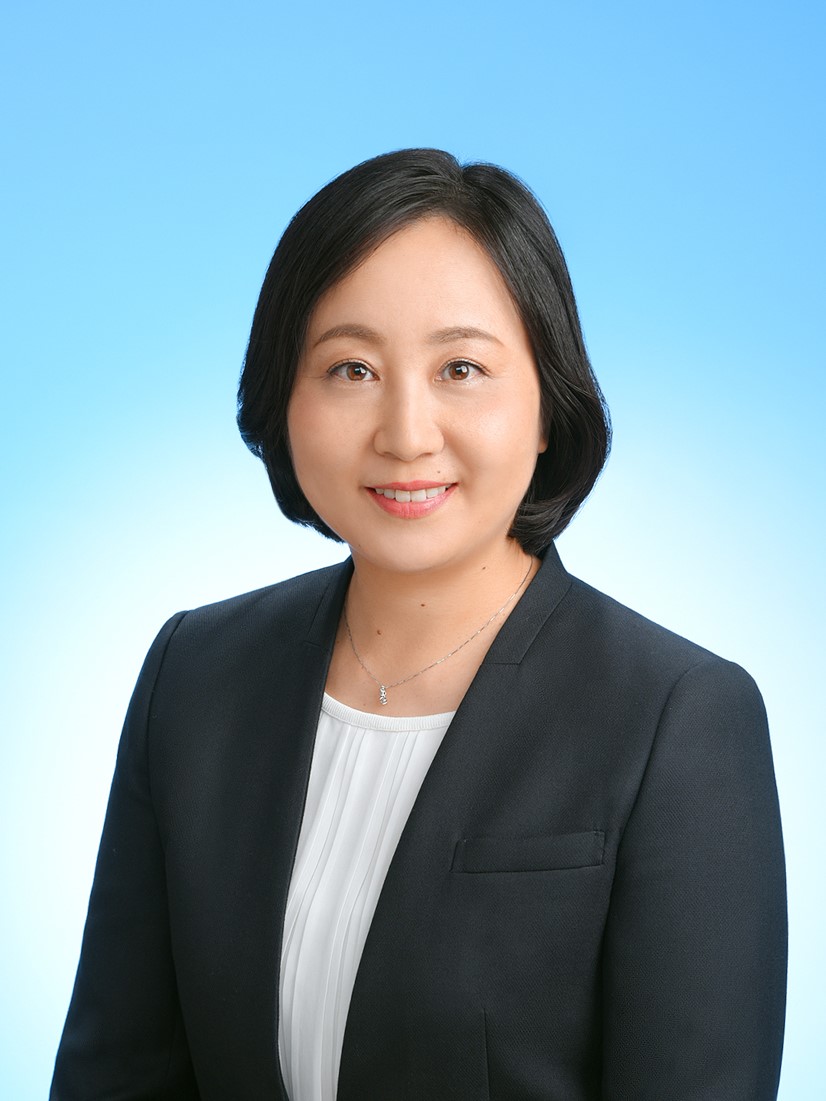
Dr. Kiyomi Horiuchi graduated from Tokyo Women’s Medical University (TWMU) in 1992 and soon after began her training in general surgery with a focus on endocrine surgery. She completed her general surgery training at Japan Railway Tokyo Hospital and the International Medical Center of Japan. Since then, Dr. Horiuchi has devoted over 20 years to advancing endocrine surgery at TWMU Hospital.
Dr. Horiuchi currently serves as Associate Professor and Chief of Endocrine Surgery at TWMU. Her clinical expertise encompasses open surgery of the thyroid and parathyroid, and she has extensive experience in managing patients with Multiple Endocrine Neoplasia (MEN).
Dr. Horiuchi’s research focuses on the surgical management of MEN, prognostic factors in thyroid cancer, and patient-reported outcomes in endocrine diseases. Through her work, she strives to improve both the quality of surgical care and the overall patient experience.
In addition to her clinical and research activities, Dr. Horiuchi is committed to international volunteer work. Since the Japan Association of Endocrine Surgery (JAES) partnered with Japan Heart two years ago, Dr. Horiuchi has been teaching thyroid surgery techniques to surgeons in Oudomsay, a mountainous region in Laos. She has participated in this hands-on surgical training program annually since its inception and is scheduled to join the third session in January of next year, helping to advance surgical care and education in the region.
20 MARCH
| Time | Session |
|---|---|
|
10:30
12:00
|
Preoperative Thyroid Nodule Diagnosis
Chia-Hung LinTaiwan
Moderator
Novel Biomarkers and Treatment Strategies in Thyroid Eye DiseaseThyroid Eye Disease (TED), also known as Graves' orbitopathy, remains a complex autoimmune condition that significantly impacts patients' vision and quality of life. Traditionally, management has relied mainly on non-specific anti-inflammatory therapies. However, as our understanding of its molecular pathogenesis evolves, there is an increasing clinical demand for more precise diagnostic tools and targeted therapeutic interventions.
This presentation provides a comprehensive overview of the current landscape and future directions in the management of TED. We will discuss the emergence of novel serum and molecular biomarkers that offer potential for earlier diagnosis and more accurate prediction of disease progression. These biomarkers may bridge the gap between clinical observation and underlying immunological activity. Furthermore, we will explore the shift in treatment paradigms, moving from conventional systemic corticosteroids toward innovative biological agents. By targeting specific signaling pathways involved in orbital inflammation and remodeling, these new strategies aim to provide more effective and durable clinical outcomes.
The integration of novel biomarkers and advanced treatment modalities is reshaping the management of TED. Moving toward a more individualized approach will allow clinicians to optimize therapeutic timing and selection, ultimately improving the long-term prognosis for patients with this challenging condition.
102
|
21 MARCH
| Time | Session |
|---|---|
|
10:20
11:10
|
103
|