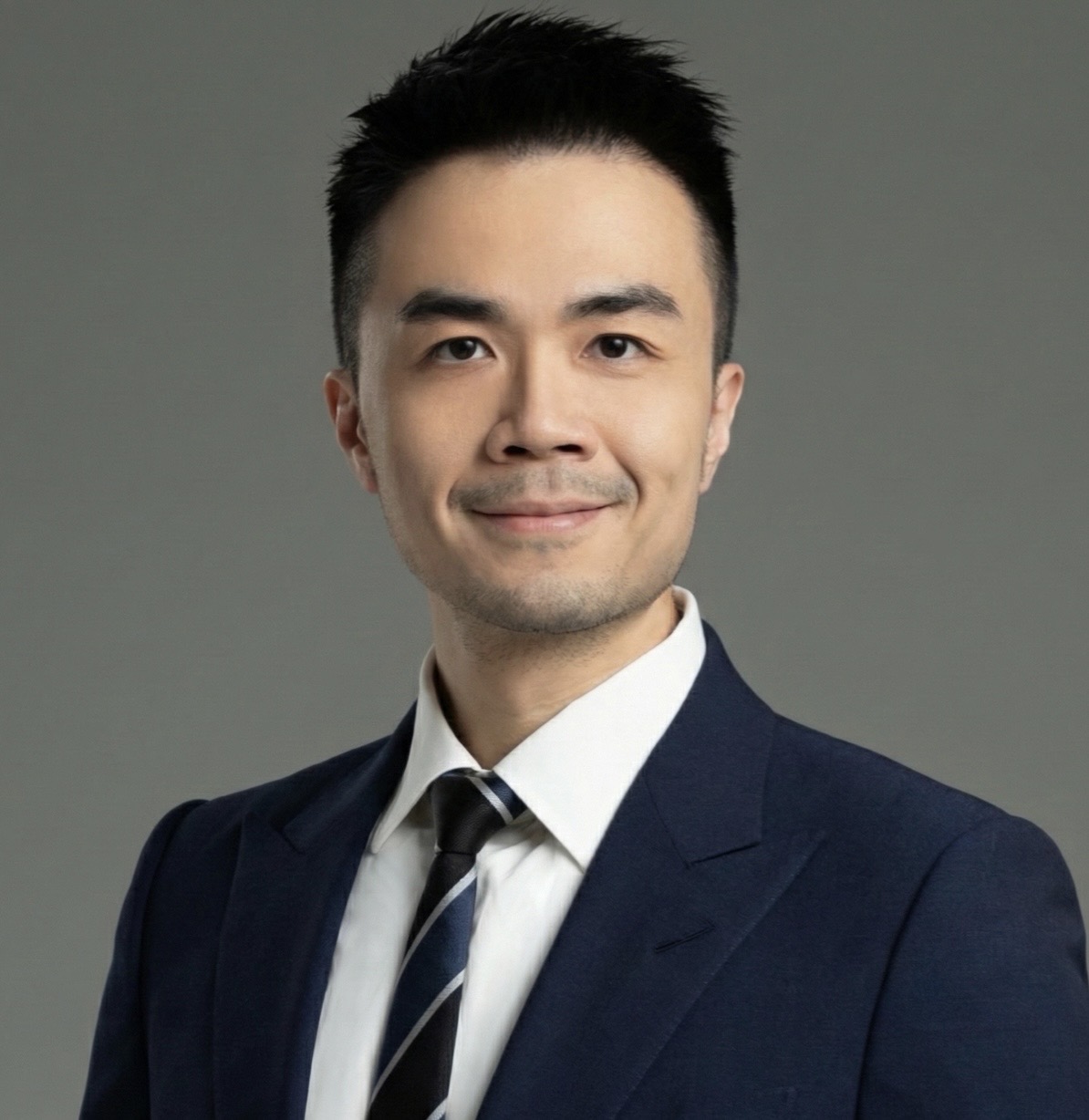
Dr. Tang Wing Ki is a Specialist in Psychiatry with focused expertise in gender-affirming care and psychotherapy. He serves as an Associate Consultant at Prince of Wales Hospital and Shatin Hospital, and as an Honorary Clinical Assistant Professor at The Chinese University of Hong Kong.
A key clinician in the Gender Identity Clinic at Prince of Wales Hospital, his practice is informed by advanced training from the World Professional Association for Transgender Health (WPATH). He is also a Psychotherapy Supervisor in Family Therapy for the Hong Kong College of Psychiatrists and a Clinical Fellow of the American Association for Marriage and Family Therapy (AAMFT).
22 MARCH
| Time |
Session |
|
|
14:00
15:30
|
Hormone Therapy in Transgenders
-
Wayne Wing Ki TangHong Kong, China
Speaker
Management of Transgender Individuals: Psychiatrist PerspectivesThe psychiatrist plays a fundamental role in the care pathway for transgender and gender-diverse individuals, often providing supportive assessment and mental health care alongside the initiation of hormone therapy. This presentation outlines the key psychiatric considerations in managing this population, providing a complementary perspective to the endocrinologist's work within real-world, culturally specific service settings.
We will review the current diagnostic framework (ICD-11 Gender Incongruence) and the practical aspects of the pre-/peri- treatment psychiatric consultation. The focus will be on understanding gender incongruence and any dysphoria-related distress, supporting informed consent and shared decision-making, and identifying psychiatric comorbidities or psychosocial stressors that may benefit from parallel support during medical transition.
Furthermore, we will discuss the longitudinal intersection between medical intervention and mental health. While Gender-Affirming Hormone Therapy (GAHT) is effective in alleviating gender incongruence and often reduces distress, clinical experience and local data suggest that medical transition alone may not universally resolve concurrent depressive or anxiety symptoms. We will briefly illustrate this using recent findings from a Hong Kong cohort, which highlight that while physical congruence improves with hormonal treatment, psychological well-being is often more closely linked to psychosocial factors.
The session concludes by exploring how psychiatrists and endocrinologists can collaborate to support patients who face ongoing psychosocial stressors, ensuring a safe and sustainable transition process.
-
-
201BC
|