
Ronald MaProf. Hong Kong, China
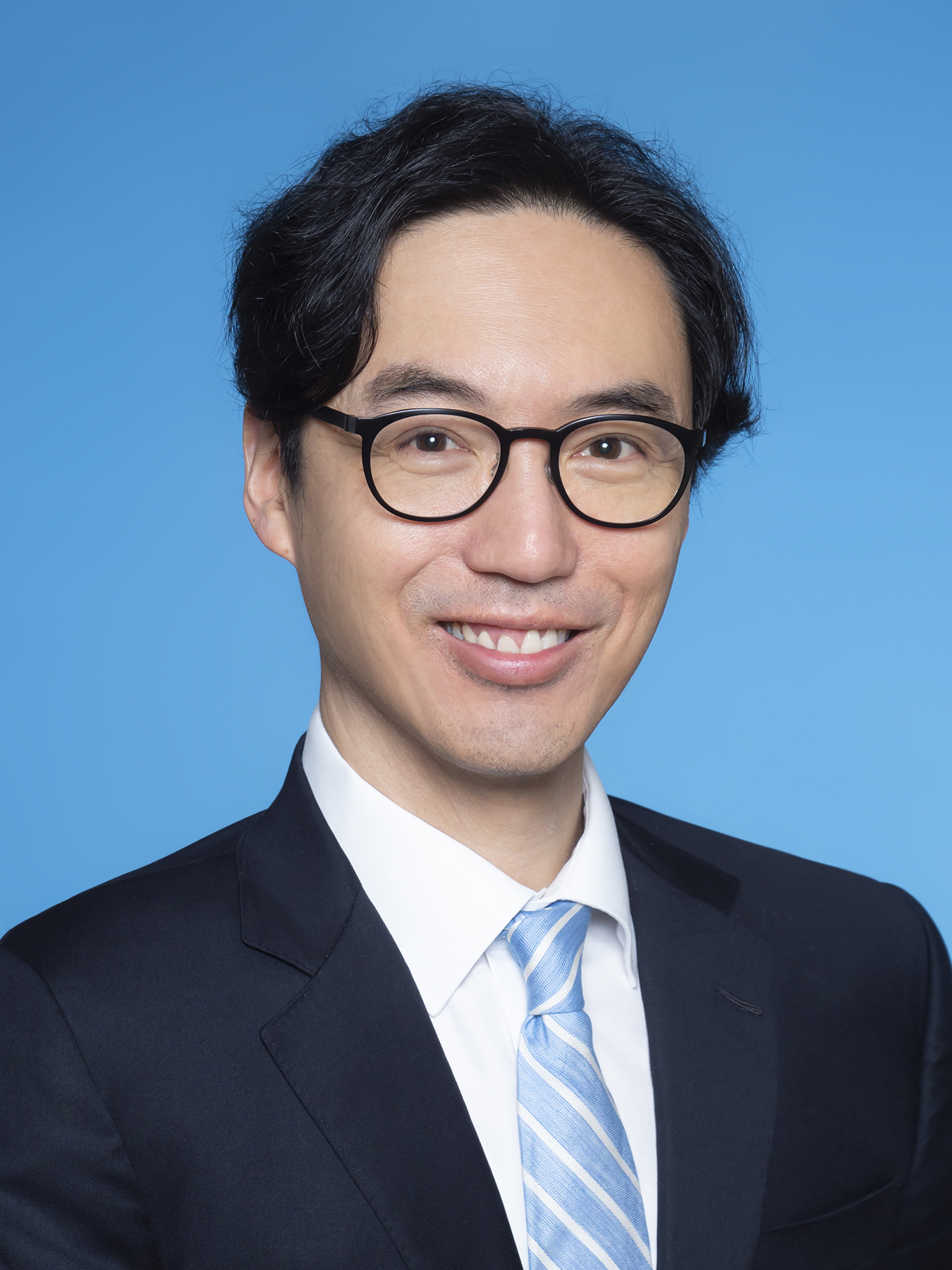
Ronald Ma is a clinician-scientist and a specialist in Endocrinology, Metabolism and Diabetes. He completed his medical training at the University of Cambridge, UK and trained in Internal Medicine in London, followed by endocrinology fellowship training in Hong Kong. He then pursued a research fellowship in diabetic complications at the Joslin Diabetes Center, Harvard Medical School, Boston, USA.
Dr Ma’s research focuses on the epidemiology and genetics of diabetes and its complications, gestational diabetes, polycystic ovary syndrome, and the developmental origins of diabetes. He is currently leading a multi-disciplinary project team to leverage on the Hong Kong Diabetes Register and accompanying biobank to identify novel molecular markers for diabetic complications, and is the principal investigator of the Hong Kong Diabetes Biobank. He has also initiated several mother-offspring cohorts to examine the long-term effects of gestational diabetes and PCOS, and multi-omic studies to identify novel biomarkers. He is also leading local initiatives to enhance local biobanking capacity in Hong Kong and related research. He has published over 450 research articles in international peer-reviewed journals (>35,000 citations, H-index 79). He received the Croucher Senior Medical Research Fellowship (2020) to further his research on Precision Medicine in Diabetes, and the Xiaoren Pan Distinguished Research Award for Epidemiology of Diabetes in Asia from the Asian Association for the Study of Diabetes (AASD).
Dr Ma plays an active role in diabetes advocacy. He is a Past President of the International Diabetes Epidemiology Group, a Past President of Diabetes Hongkong, and member of the Executive Board, the Asian Association for the Study of Diabetes (AASD). He has served as a Commissioner on the Lancet Commission on Diabetes, the International Federation of Gynecology and Obstetrics (FIGO) Pregnancy and NCD Committee, as well as council member of IADPSG. He has served as consultant for the WHO on childhood obesity, the International Diabetes Federation, as well as FIGO on NCD prevention. He serves on the Steering Committee for Prevention and Control of Non-communicable Diseases for the Hong Kong Health Bureau. He led the workgroup on Type 1 Diabetes in Adults for the IDF Diabetes Atlas, and in an international initiative on Precision Medicine in Diabetes. He currently serves as editorial board member of PLoS Medicine, Diabetologia, Diabetes, Obesity Reviews, Journal of Diabetes Investigation and Maternal-Fetal Medicine.
21 MARCH
| Time | Session |
|---|---|
|
08:30
10:00
|
Precision Medicine in Endocrinology
Iris Isip-TanPhilippines
Moderator
AI applications and insulin managementArtificial intelligence is evolving from novel research concepts to practical clinical tools. This presentation will provide a broad overview of the current AI ecosystem, from automated insulin delivery (AID) systems to machine learning algorithms designed for glucose prediction and clinical decision support. The unique regional perspective will be addressed, exploring how diverse healthcare infrastructures and reimbursement models influence the adoption of AI innovations. The discussion will conclude by identifying key challenges in implementation, such as algorithmic equity and data security, to outline a framework for the future integration of AI into daily practice.
201DE
|
22 MARCH
| Time | Session |
|---|---|
|
13:30
14:00
|
Case Challenges
Chih-Yuan WangTaiwan
Moderator
Obesity 2026 updateObesity remains one of the most critical and rapidly evolving global health challenges entering 2026, characterized by persistently rising prevalence, expanding clinical consequences, and profound societal and economic impacts. Over the past three decades, the prevalence of overweight and obesity has more than doubled among adults and increased nearly threefold among children and adolescents worldwide, driven by complex interactions between genetic susceptibility, obesogenic environments, sedentary lifestyles, dietary transitions toward energy-dense ultra-processed foods, and broader socio-economic determinants. Projections indicate that, if current trends continue, more than half of the global adult population and a substantial proportion of children will be living with obesity within the next two decades, with particularly rapid increases occurring in low- and middle-income countries undergoing nutritional and urban transitions. This epidemiologic shift has translated into a marked escalation in obesity-related non-communicable diseases, including type 2 diabetes, cardiovascular disease, chronic kidney disease, non-alcoholic fatty liver disease, osteoarthritis, and several obesity-associated malignancies, positioning excess adiposity as a leading contributor to global morbidity, mortality, and disability-adjusted life years. Alongside the growing disease burden, the conceptual framework of obesity has undergone important refinement. While body mass index remains a pragmatic population-level screening tool, its limitations in capturing adiposity distribution and metabolic risk have prompted international efforts to redefine obesity as a chronic, relapsing disease characterized by excess or dysfunctional adipose tissue with heterogeneous clinical expression. Emerging diagnostic paradigms increasingly emphasize waist-based measures, ectopic fat accumulation, and the presence of obesity-related complications, distinguishing pre-clinical obesity from clinically manifest disease and enabling more precise risk stratification and individualized management. Therapeutically, the obesity landscape has been transformed by advances in incretin-based pharmacotherapy, particularly glucagon-like peptide-1 receptor agonists and dual or multi-agonist agents, which have demonstrated unprecedented and sustained weight reduction alongside meaningful improvements in cardiometabolic outcomes. The recent development of effective oral formulations further expands treatment accessibility and has the potential to improve long-term adherence, although challenges related to cost, equity, and health-system implementation remain substantial. Importantly, pharmacotherapy alone is insufficient to address the obesity epidemic, and contemporary management strategies emphasize multimodal, life-course approaches integrating nutritional therapy, physical activity promotion, behavioral and psychological interventions, digital health technologies, and, when appropriate, metabolic and bariatric surgery, tailored to individual risk profiles and comorbidity burdens. At the population level, global policy initiatives increasingly recognize that obesity is not solely an individual responsibility but a systems-driven condition requiring coordinated action across healthcare, education, food systems, urban planning, and regulatory environments to create supportive contexts for healthy living. Concurrently, ongoing research continues to elucidate the complex pathophysiology of obesity, including the roles of genetics, epigenetics, gut microbiota, neuroendocrine regulation, and adipose tissue inflammation, while implementation science seeks to bridge gaps between evidence and real-world practice. Collectively, the 2026 obesity update portrays a paradoxical landscape of escalating global burden alongside unprecedented scientific and therapeutic progress, underscoring that meaningful and sustainable impact will depend on integrating biomedical innovation with structural policy reform, equitable access to care, and sustained public health commitment to reverse current trajectories and improve outcomes across the lifespan.Long-Term Changes of Urinary Exosomal Peptide Levels after Thyroidectomy in Patients with Thyroid Cancer: A Prospective Observational StudyIn this prospective observational study, we investigated whether longitudinal changes in urinary exosomal peptide profiles after thyroidectomy could predict recurrence risk in patients with papillary thyroid cancer, a disease with reported recurrence rates of up to 30%. Adults older than 20 years with newly diagnosed papillary thyroid cancer who had undergone thyroidectomy were enrolled, and urine samples were collected at 12 months after study entry and again one year later for exosomal peptide identification and comparison. Seventy patients were included and stratified according to the interval between surgery and enrollment (<5 years, 5–10 years, and >10 years). During the two-year follow-up after enrollment, no recurrences were observed. Across groups and time intervals, there were no significant differences in serum protein levels or urinary exosomal peptide concentrations, and established high-risk clinical factors showed only weak correlations with these biomarkers. Collectively, these findings delineate the long-term basal fluctuation ranges of serum proteins and urinary exosomal peptides in post-thyroidectomy thyroid cancer survivors, suggesting that biomarker levels remaining within these ranges may be indicative of a lower long-term risk of recurrence in high-risk patients following thyroidectomy.
201BC
|