
Edy KorneliusDr. Taiwan
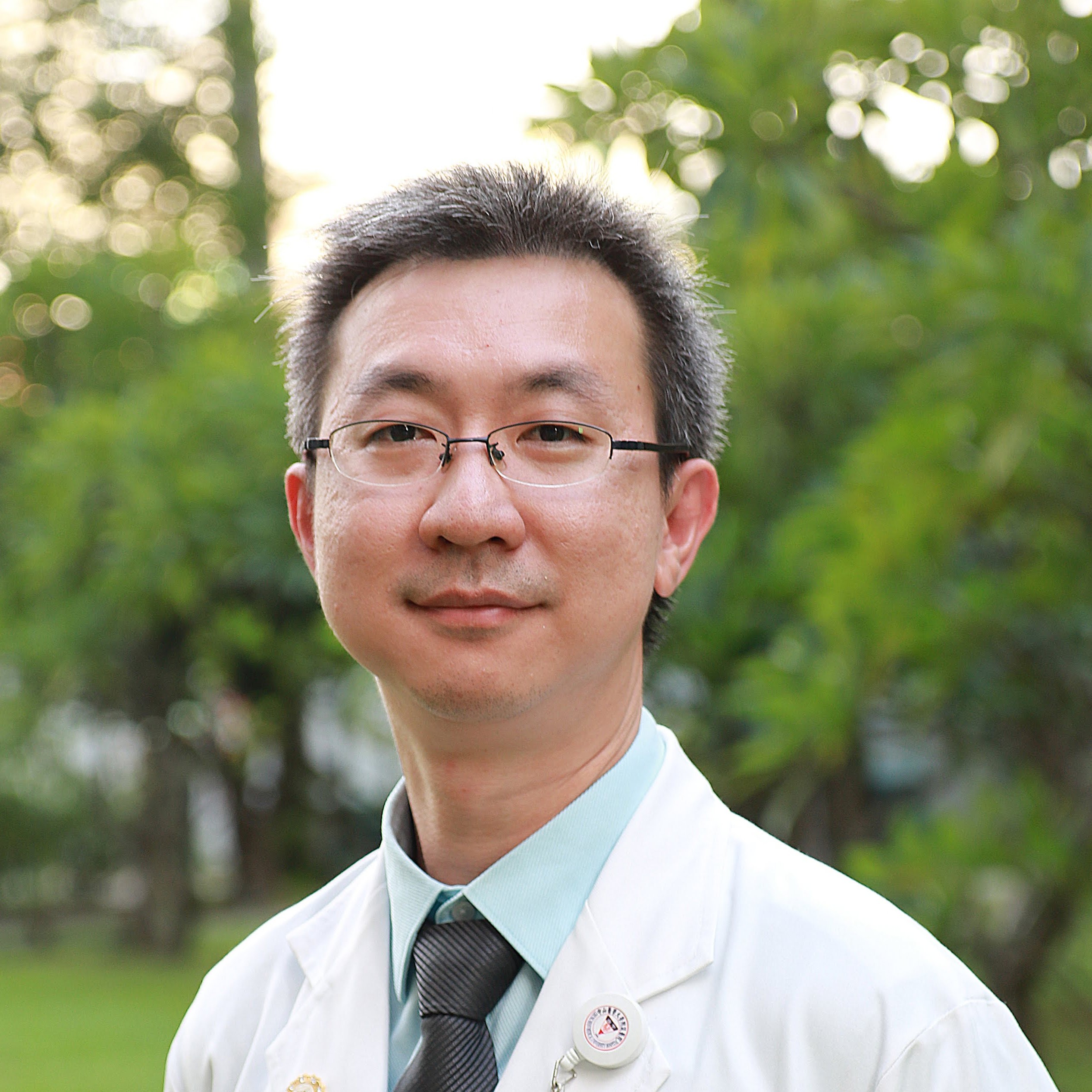
Dr. Edy Kornelius is an endocrinologist and Associate Professor at Chung Shan Medical University, Taiwan, and currently serves as Director of the Division of Endocrinology and metabolism at Chung Shan Medical University Hospital. He completed his training in internal medicine and endocrinology in Taiwan and has developed broad clinical and academic expertise in thyroid disease and diabetes.
Dr. Kornelius is an active clinician-scientist with a strong interest in patient-centred endocrine care and real-world outcomes research. His research spans thyroid disorders, diabetes therapeutics, cardiometabolic risk, and the neuropsychiatric aspects of endocrine disease. He has published extensively in leading international journals, including The Journal of Clinical Endocrinology & Metabolism (JCEM), Thyroid, Neurology, Diabetes Research and Clinical Practice, and other high-impact peer-reviewed journals.
In recent years, his work has increasingly focused on the interface between endocrine disease and mental health, particularly anxiety, psychological distress, and patient-reported outcomes in chronic endocrine conditions. His research has highlighted the importance of recognizing psychological burden in routine endocrine practice, including in patients with thyroid nodules, where diagnostic uncertainty and malignancy concern may substantially affect quality of life.
Beyond research, Dr. Kornelius is actively involved in medical education, guideline implementation, and professional society activities. He regularly contributes to regional and international scientific meetings and is committed to promoting holistic, evidence-based endocrine care that integrates physical and psychological dimensions of disease.
20 MARCH
| Time | Session |
|---|---|
|
10:30
12:00
|
Future Management in Diabetes Mellitus
Edy KorneliusTaiwan
Moderator
Anxiety in Patients with Thyroid Nodules: What Clinicians Need to KnowThyroid nodules are commonly encountered in endocrine practice, and while the majority are benign, the diagnostic and surveillance process often imposes a substantial psychological burden on patients. Anxiety related to fear of malignancy, uncertainty surrounding ultrasonographic findings, fine-needle aspiration results, and long-term follow-up is frequently underestimated and insufficiently addressed in routine clinical care. Emerging evidence suggests that anxiety in patients with thyroid nodules may persist even after reassurance of benign disease and can significantly affect quality of life, healthcare utilization, and decision-making preferences.
Cancer-related worry is often disproportionate to the actual risk of malignancy and may be exacerbated by repeated imaging, indeterminate cytology, ambiguous terminology, and lack of clear follow-up strategies. Heightened anxiety has been associated with increased demand for diagnostic interventions and preference for aggressive management, potentially leading to overtreatment.
This presentation reviews current evidence on the prevalence, determinants, and clinical consequences of anxiety among patients with thyroid nodules, integrating published literature with real-world clinical experience. Practical approaches for identifying psychological distress in outpatient settings and strategies for improving communication and expectation management will be discussed. Recognizing and addressing anxiety as an integral component of thyroid nodule care is essential for delivering holistic, patient-centred, and value-based endocrinology.
Vivien LimSingapore
Moderator
The Danger of Obesity in South East Asia and Practical Tips in the Clinic Obesity is steadily increasing in South East Asia (SEA) and with it comes complications naturally follow from it - metabolic, physical and mental. The talk will touch on the following:
- the prevalence of this and the changes over time
- the rising burden of it
- practical tips that can aid in the clinic including busting myths and misconceptions that hamper its management
101
|
|
13:10
13:40
|
Obesity
Edy KorneliusTaiwan
Moderator
Anxiety in Patients with Thyroid Nodules: What Clinicians Need to KnowThyroid nodules are commonly encountered in endocrine practice, and while the majority are benign, the diagnostic and surveillance process often imposes a substantial psychological burden on patients. Anxiety related to fear of malignancy, uncertainty surrounding ultrasonographic findings, fine-needle aspiration results, and long-term follow-up is frequently underestimated and insufficiently addressed in routine clinical care. Emerging evidence suggests that anxiety in patients with thyroid nodules may persist even after reassurance of benign disease and can significantly affect quality of life, healthcare utilization, and decision-making preferences.
Cancer-related worry is often disproportionate to the actual risk of malignancy and may be exacerbated by repeated imaging, indeterminate cytology, ambiguous terminology, and lack of clear follow-up strategies. Heightened anxiety has been associated with increased demand for diagnostic interventions and preference for aggressive management, potentially leading to overtreatment.
This presentation reviews current evidence on the prevalence, determinants, and clinical consequences of anxiety among patients with thyroid nodules, integrating published literature with real-world clinical experience. Practical approaches for identifying psychological distress in outpatient settings and strategies for improving communication and expectation management will be discussed. Recognizing and addressing anxiety as an integral component of thyroid nodule care is essential for delivering holistic, patient-centred, and value-based endocrinology.
201BC
|
21 MARCH
| Time | Session |
|---|---|
|
10:20
11:10
|
Edy KorneliusTaiwan
Moderator
Anxiety in Patients with Thyroid Nodules: What Clinicians Need to KnowThyroid nodules are commonly encountered in endocrine practice, and while the majority are benign, the diagnostic and surveillance process often imposes a substantial psychological burden on patients. Anxiety related to fear of malignancy, uncertainty surrounding ultrasonographic findings, fine-needle aspiration results, and long-term follow-up is frequently underestimated and insufficiently addressed in routine clinical care. Emerging evidence suggests that anxiety in patients with thyroid nodules may persist even after reassurance of benign disease and can significantly affect quality of life, healthcare utilization, and decision-making preferences.
Cancer-related worry is often disproportionate to the actual risk of malignancy and may be exacerbated by repeated imaging, indeterminate cytology, ambiguous terminology, and lack of clear follow-up strategies. Heightened anxiety has been associated with increased demand for diagnostic interventions and preference for aggressive management, potentially leading to overtreatment.
This presentation reviews current evidence on the prevalence, determinants, and clinical consequences of anxiety among patients with thyroid nodules, integrating published literature with real-world clinical experience. Practical approaches for identifying psychological distress in outpatient settings and strategies for improving communication and expectation management will be discussed. Recognizing and addressing anxiety as an integral component of thyroid nodule care is essential for delivering holistic, patient-centred, and value-based endocrinology.
201AF
|
22 MARCH
| Time | Session |
|---|---|
|
11:00
12:30
|
Updates in Endocrinology: Emerging Insights into Adrenal Disorders, Muscle Health, and Endocrine Diseases
103
|