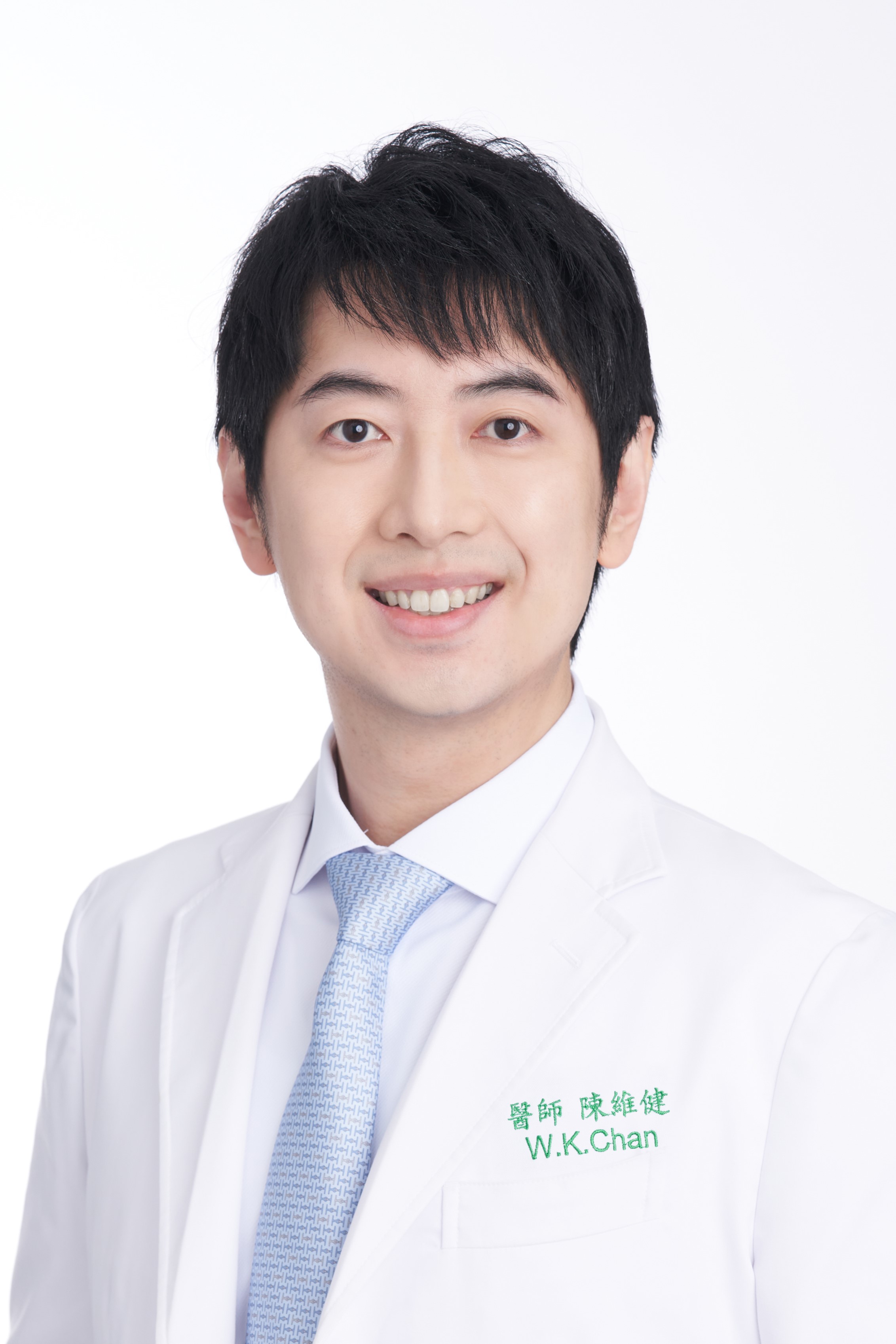
Professor Wai-Kin Chan is an Assistant Professor in the Division of Endocrinology and Metabolism at Linkou Chang Gung Memorial Hospital in Taiwan. As a dedicated clinician and academic, he focuses on integrating advanced technology with clinical practice to improve patient outcomes in endocrine and metabolic health.
Professor Chan’s academic background uniquely combines clinical mastery with cutting-edge data science. He earned his Doctor of Medicine (M.D.) from the National Defense Medical University and further specialized by obtaining a Master of Science in Artificial Intelligence in Medicine from Taipei Medical University. This dual expertise positions him at the forefront of the digital transformation in healthcare.
His professional experience at Linkou Chang Gung Memorial Hospital encompasses his journey from resident to Attending Physician and Assistant Professor. He is a board-certified specialist in Internal Medicine and a subspecialist in Endocrinology and Diabetes. Furthermore, he is a certified thyroid ablation specialist, offering patients advanced, minimally invasive treatment options for thyroid conditions.
Professor Chan is an active member of the Taiwan Academy of Tumor Ablation and the Taiwanese Association of Diabetes Educators. His primary clinical and research interests include:
Medical AI: Leveraging artificial intelligence to enhance diagnostic precision and clinical decision-making.
Interventional Endocrinology: Utilizing tumor ablation techniques for thyroid and related disorders.
Metabolic Care: Implementing comprehensive, data-driven strategies for diabetes management.
Through his work, Professor Chan continues to contribute to the medical community by bridging the gap between traditional endocrine care and the future of AI-driven precision medicine.
20 MARCH
| Time |
Session |
|
|
13:00
15:30
|
-
Chia-Luen HuangTaiwan
Speaker
Group instructions Thyroid tumor is one of the most common endocrine abnormalities, and its incidence has been steadily rising over recent decades. While traditional treatments often involve surgery and active surveillance, advancements in minimally invasive techniques have introduced radiofrequency ablation (RFA) and microwave ablation (MWA) as a viable alternative. The workshop delves into the role of radiofrequency ablation and other minimally intervention therapies in treating thyroid tumors, highlighting its benefits, procedures, and considerations.
-
Chia-Luen HuangTaiwan
Speaker
Group instructions Thyroid tumor is one of the most common endocrine abnormalities, and its incidence has been steadily rising over recent decades. While traditional treatments often involve surgery and active surveillance, advancements in minimally invasive techniques have introduced radiofrequency ablation (RFA) and microwave ablation (MWA) as a viable alternative. The workshop delves into the role of radiofrequency ablation and other minimally intervention therapies in treating thyroid tumors, highlighting its benefits, procedures, and considerations.
He-Jiun JiangTaiwan
Speaker
Redifferentiation Strategies in Refractory Thyroid Cancer: First Insights from TaiwanBackground: Patients with BRAF p.V600E-mutated radioactive iodine-refractory differentiated thyroid cancer (RAIR-DTC) face a poor prognosis. While MAPK pathway inhibition can restore radioiodine (RAI) avidity, standard full-dose protocols (e.g., MERAIODE) are often associated with significant toxicity (Grade 3/4 adverse events >20%). This study investigates the efficacy and safety of a novel low-dose, pulsed redifferentiation strategy in a real-world Asian cohort.
Methods: We conducted a retrospective cohort study of 24 patients with metastatic BRAF p.V600E RAIR-PTC. Patients received a 60-day induction regimen of Dabrafenib (75 mg BID) and Trametinib (2 mg QOD, every other day). A "Treat-All" strategy was employed, omitting diagnostic scanning to avoid stunning effects, followed by a fixed therapeutic dose of 131-I (150-200 mCi). Primary endpoints included RAI uptake restoration, objective response rate (ORR), disease control rate (DCR), and safety profile.
Results: RAI avidity was restored in 83.3% of patients. The regimen demonstrated an exceptional safety profile without Grade 3/4 adverse events. While the ORR was 16.7%, the DCR reached 83.3% at 6 months. Age <55 years was identified as the most significant predictor for objective tumor regression (p=0.007). Furthermore, the study highlights the clinical value of "TKI-Free Survival," with 88.9% of prior TKI users achieving a sustained drug holiday.
Conclusion: The low-dose, pulsed BRAF/MEK inhibition protocol offers a highly tolerable and effective redifferentiation strategy. While tumor shrinkage is less pronounced than with full-dose regimens, the high rate of disease control and excellent safety profile make it a viable option for stabilizing disease and improving quality of life, particularly for younger patients (<55) or those intolerant to standard TKI therapy.
-
201AF
|