Young Joo Park South Korea
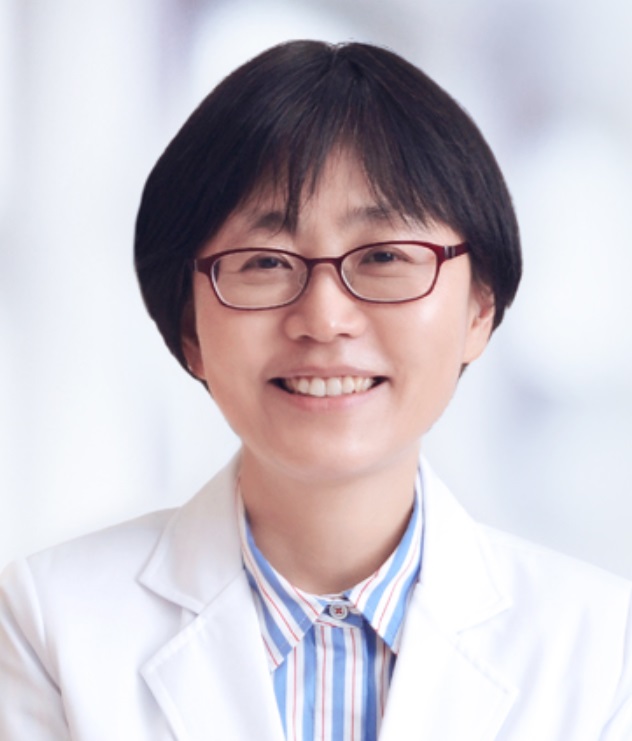
Professor Young Joo Park is Professor of Medicine at Seoul National University College of Medicine and Staff Endocrinologist at Seoul National University Hospital. She is Editor-in-Chief of Endocrinology and Metabolism, official journal of the Korean Endocrine Society. She is also a member of the National Academy of Medicine of Korea and serves on the council of the Asia and Oceanic Thyroid Association.
Her research focuses on the biology of thyroid disease using multi-omics approaches, including genomics, proteomics, and metabolomics. She has investigated genetic and environmental risk factors for thyroid disorders through genome-wide association studies and chemical exposure analyses. A major area of her work is the molecular characterization of thyroid nodules and cancers using next-generation sequencing to clarify mechanisms of thyroid cancer progression and to improve diagnosis and prognosis prediction.
She has led several large-scale clinical and epidemiologic studies. These include MAeSTro, a prospective multicenter cohort study of papillary thyroid microcarcinoma designed to define its natural history, which expanded internationally as MAeSTro-EXP. She also directs the MASTER trial, a multicenter randomized controlled study evaluating the role of thyroid-stimulating hormone suppression after lobectomy in patients with low- to intermediate-risk thyroid cancer.
Through these efforts, Professor Park is working to advance the understanding of thyroid tumor biology and to optimize individualized management strategies.
20 MARCH
| Time | Session |
|---|---|
|
10:30
12:00
|
Young Joo ParkSouth Korea
Moderator
Translating the Genetic Landscape of Thyroid Cancer to Precision Diagnosis and TherapyThyroid cancer is characterized by a relatively low mutational burden compared with other solid tumors, with recurrent alterations mainly involving BRAF, RAS, and various fusion genes. Several novel driver candidates have also been identified through next-generation sequencing studies. The frequency and pattern of these genomic alterations differ across thyroid cancer subtypes and are often associated with distinct histopathological phenotypes, providing valuable clues for differential diagnosis. Moreover, molecular subtypes defined by driver mutations are closely linked to tumor biology and clinical behavior, allowing more accurate prediction of disease aggressiveness and prognosis.
Most differentiated thyroid cancers (DTCs) harbor a single dominant driver alteration; however, acquisition of additional mutations such as TERT promoter, tumor suppressor genes, or PI3K–AKT pathway alterations may lead to dedifferentiation and progression to aggressive or metastatic disease. Advances in our understanding of these genetic alterations have refined the pathological classification of thyroid cancer and enabled improved prognostication, treatment selection, and follow-up strategies.
Importantly, the identification of actionable genetic alterations—including RET and NTRK fusions, as well as BRAF mutations—has revolutionized therapeutic approaches. Targeted agents such as selpercatinib, pralsetinib, larotrectinib, and entrectinib demonstrate substantial clinical efficacy with fewer adverse events than multikinase inhibitors, while dabrafenib plus trametinib has shown marked benefit in anaplastic thyroid cancer. With multiple targetable mutations being uncovered, incorporating comprehensive genomic testing into the diagnostic workflow is essential to guide precision therapy for patients with thyroid cancer.
103
|
22 MARCH
| Time | Session |
|---|---|
|
11:00
12:30
|
Novel Treatment and Diagnostic Approaches for Thyroid Cancer in Post-NGS Era
Angela M. LeungUnited States
Moderator
Key Highlights of the American Thyroid Association Thyroid and Pregnancy GuidelinesThis session will present the key highlights of the American Thyroid Association 2026 guidelines for thyroid disease in preconception, pregnancy, and postpartum that have been published by a multidisciplinary group of experts with global perspective. The discussion will provide an overview of the methodology used to prepare these updated guidelines in partnership with and endorsed by several other collaborating societies. The presentation will cover the most notable changes and new recommendations surrounding thyroid function testing, iodine nutrition, infertility and assisted reproductive techniques, hypothyroidism, hyperthyroidism (including Graves’ disease), thyroid nodules, and thyroid cancers for women planning pregnancy, are pregnant, or seen for postpartum care.Thyroid Risks of Iodine ExcessIodine is a micronutrient that is required for the production of thyroid hormone. Iodine is commonly obtained from consuming an iodine-rich diet or iodine-fortified foods, amiodarone use, iodine-containing supplements, and iodinated contrast media. This session will review the potential forms of thyroid dysfunction arising from an acute iodine load, due to the failure to escape from the Wolff-Chaikoff effect and to the Jod-Basedow phenomenon. The risks of iodine excess in vulnerable populations, and current guidelines regarding the screening and monitoring of iodinated contrast-induced thyroid dysfunction, will be summarized.
201BC
|