Miyuki Katai Japan

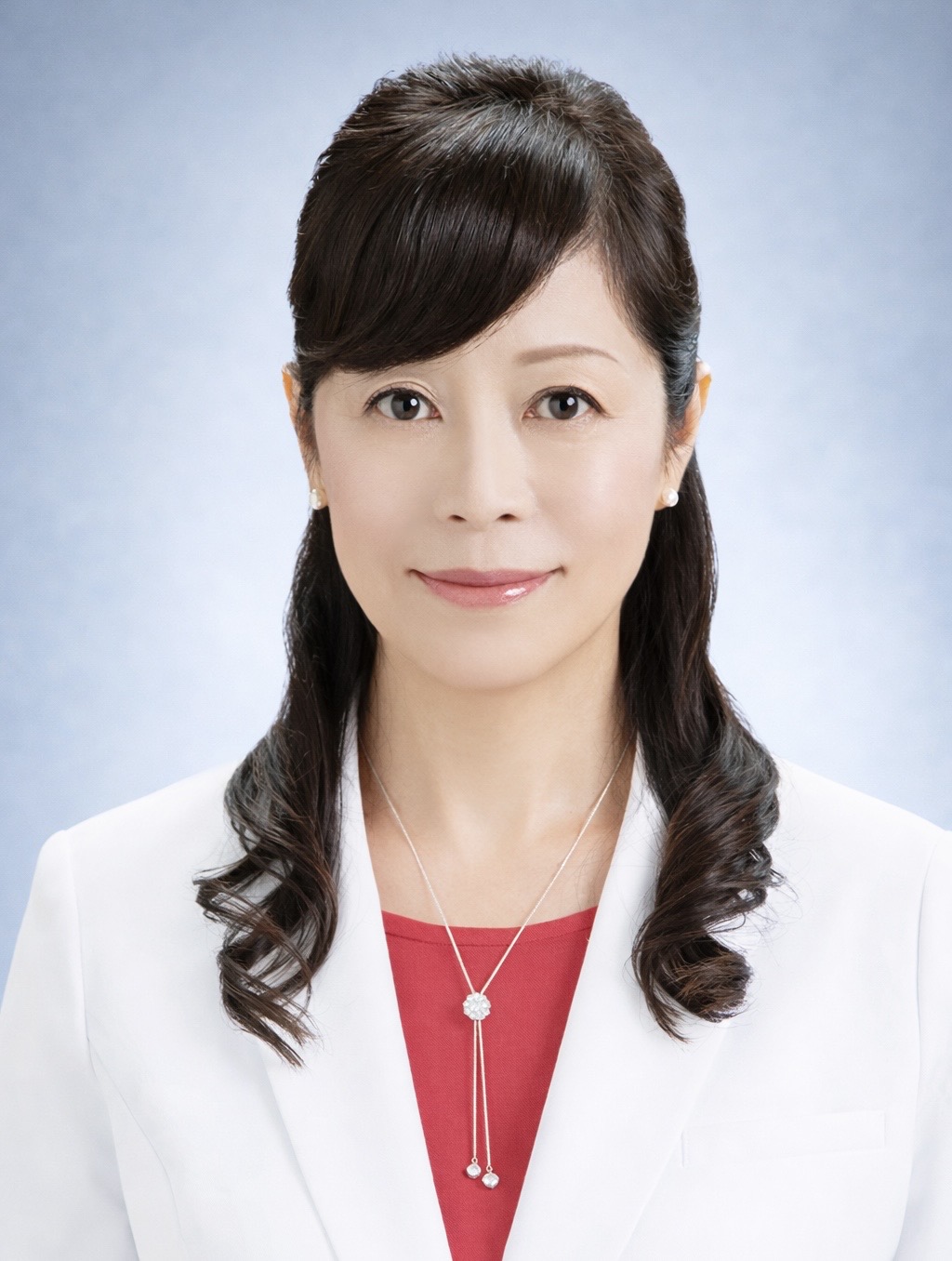
Prof. Miyuki Katai, MD, PhD Professor and Director, Health Services Center, National Graduate Institute for Policy Studies (GRIPS), Tokyo, Japan Prof. Miyuki Katai is an endocrinologist and a pioneer of sex- and gender-specific medicine (SGSM) in Japan. She earned her MD and PhD from Shinshu University, specializing in endocrinology. From 1998 to 2001, she worked as a research fellow at Harvard Medical School at Massachusetts General Hospital and the Joslin Diabetes Center, conducting basic research in endocrine and metabolic medicine. Recognizing that sex differences in health are largely driven by endocrine mechanisms, she has focused on integrating endocrinology and SGSM to promote personalized, evidence-based approaches to women’s health. She served as Associate Professor of Gender Medicine and Women’s Internal Medicine at Tokyo Women’s Medical University (2007–2020) and is now Professor and Director at GRIPS, leading projects that combine endocrinology, gender medicine, gendered innovation, and digital health innovation. She also contributes to public policy and AI-driven research through government-funded initiatives, including the AMED-supported “WaiSE” project. This project is developing an AI-assisted diagnostic tool for women's health that implements a female-specific diagnostic algorithm based on symptoms, data, and endocrine parameters using the principles of SGSM. Prof. Katai currently serves as President of the Japanese Association for Gender-Specific Medicine and as a Board Member of the Japan Thyroid Association.

20 MARCH

Time Session
13:50
15:20
AI in Endocrinology
Miyuki KataiJapan Moderator From the Bedside to the Digital World: Precision Medicine in Endocrinology with Al and ICTPrecision medicine in endocrinology must account for biological variability, life-course hormonal transitions, and sociocultural determinants of health. However, in routine clinical practice, endocrine disorders are often detected only after prolonged symptomatic periods, particularly when symptoms are nonspecific or overlap with normal physiological transitions. Our work originates from bedside clinical challenges. In developing and operating a comprehensive women’s specialty clinic grounded in sex-specific medicine—representing an innovative clinical model in Japan—we evaluated more than 5,000 women. Among patients who presented to our clinic with a prior diagnosis of menopausal disorders, organic diseases were identified in 27%. Thyroid dysfunction accounted for approximately 15% of cases initially attributed to menopausal disorders. These findings suggest that menopausal diagnoses may contribute to delayed recognition of underlying diseases. Among conditions masked by such symptoms, endocrine disorders were frequently identified, likely because many endocrine diseases require additional targeted laboratory testing for definitive diagnosis. Within endocrine disorders, thyroid dysfunction was particularly prevalent in women. To address this unmet need, we developed the Women’s AI Symptom Evaluator (WaiSE), a digital platform designed to visualize multidimensional symptom patterns using AI-assisted structured questionnaires. WaiSE was developed to support detection of a broad spectrum of underrecognized conditions in women, including endocrine disorders such as thyroid disease. Importantly, these digital tools help women recognize and articulate complex autonomic symptom patterns commonly experienced during menopausal transitions, thereby enabling clinicians to better interpret symptom presentations and facilitating earlier detection of endocrine disorders. The platform is supported by a gender-specific clinical database derived from over 5,000 patients and more than 60,000 consultations, enabling symptom–diagnosis correlation modeling and development of sex-informed diagnostic algorithms. Building upon this clinical and digital foundation, we have recently initiated an integrated endocrine screening strategy through collaboration with the AI-based Thyroid Screening (AITS) platform. We collaborated with Cosmic Corporation, the developer of the AI-based Thyroid Screening (AITS) system. AITS is an AI-based screening system that analyzes routine blood test results obtained in general screening programs, including health checkups, to estimate the likelihood of thyroid dysfunction. The integrated WaiSE–AITS system combines patient-reported symptom assessment through WaiSE with objective clinical indicators derived from AITS to assist in identifying individuals who may require additional thyroid function testing. The integrated system is being developed with the aim of future regulatory approval as Software as a Medical Device (SaMD). This integrated platform can be utilized in clinical practice settings as well as in health screening programs and occupational health settings, demonstrating feasibility in capturing real-world symptom data beyond hospital-centered care. The combined system is designed as a physician-supervised clinical decision-support tool intended to assist healthcare professionals in identifying patients who may benefit from further thyroid evaluation, while maintaining physician responsibility for final diagnostic decisions. This presentation highlights the clinical background, digital innovation process, and emerging collaborative screening strategies, demonstrating how bedside endocrinology can evolve into digitally supported precision care incorporating a life-course approach for women. Acknowledgements:This research was supported by AMED (Grant Number: JP21gk0210024h9903) and by grants from METI, Japan.
Ye-Fong DuTaiwan Moderator Psychological Burden in Diabetes: Understanding Distress and Its Clinical ImpactDiabetes distress represents the emotional burden arising from the daily demands of diabetes self-management and is conceptually distinct from major depressive disorder. Large-scale epidemiological studies indicate that 20–40% of people with diabetes experience clinically significant distress, making it one of the most prevalent psychological complications of diabetes. A growing body of longitudinal evidence demonstrates that diabetes distress is strongly associated with poor glycemic control, reduced treatment adherence, unhealthy dietary and physical activity patterns, and lower engagement with healthcare services. Importantly, diabetes distress predicts future deterioration in HbA1c independent of depressive symptoms, suggesting that it is a direct and modifiable determinant of metabolic outcomes rather than a mere emotional comorbidity. Interventional studies show that structured diabetes education, psychosocial counseling, and digital health–based self-management support can significantly reduce diabetes distress and are accompanied by improvements in glycemic control and self-efficacy. These findings highlight the bidirectional relationship between psychological burden and metabolic regulation. In the era of precision medicine and digital diabetes care, systematic screening and targeted management of diabetes distress should be integrated into routine clinical practice to optimize both psychological well-being and long-term cardiometabolic outcomes.
  • Argon ChenTaiwan Speaker Advancement in AI Applications to Thyroid Nodule Detection and EvaluationDiagnosing thyroid cancer remains challenging due to overlapping imaging features between benign and malignant nodules, inherent limitations of current diagnostic tools, and substantial interobserver variability among clinicians. Although ultrasound is the first-line modality for thyroid nodule evaluation, interpretations of the same images often differ across physicians. The Thyroid Imaging Reporting and Data System (TI-RADS) was developed to standardize malignancy risk assessment; however, considerable variability in its application persists in clinical practice. Artificial intelligence (AI) is increasingly transforming thyroid cancer diagnosis by enhancing accuracy, efficiency, and consistency in clinical decision-making. By leveraging machine learning and deep learning techniques, AI-based systems offer new opportunities to reduce subjectivity in ultrasound interpretation and support more personalized patient care. This talk will focus on recent advances in AI-assisted ultrasonographic detection and characterization of thyroid nodules. Specifically, we will present evidence from Multi-Reader Multi-Case (MRMC) performance studies demonstrating how AI can improve diagnostic accuracy and inter-reader consistency across different TI-RADS guidelines. We will also compare the consistency of nodule interpretation across ultrasound systems between AI algorithms and human readers. Finally, a live demonstration of the AI software will illustrate its performance using ultrasound images from a wide spectrum of benign and malignant thyroid nodules.
  • Yi-Jing SheenTaiwan Speaker Electronic Dashboard-Based Remote Glycemic Management Program Reduces Length of Stay and Readmission Rate among Hospitalized AdultsBackground: Inpatient dysglycemia is strongly associated with prolonged length of stay (LOS), increased readmission rates, and higher healthcare costs. Traditional consultation-based models are often insufficient for institution-wide glycemic quality improvement. With advances in electronic medical records (EMRs), real-time digital surveillance offers a scalable solution. We implemented a hospital-wide remote glycemic management program to evaluate its impact on glycemic control and clinical outcomes. Methods: Building on our previously published framework, this institution-wide before-and-after study was conducted in a 1,500-bed tertiary medical center using data from 2016 to 2019 (106,528 hospitalized adults; 878,159 glucose measurements). The core intervention utilized an EMR-integrated dashboard to identify hyper-/hypoglycemia in real-time, enabling endocrinologists to provide daily virtual recommendations without formal consultation. Key components included automated risk stratification, real-time alerts, and department-specific performance feedback. Primary outcomes were LOS and 30-day readmission rates. Analyses were performed using Poisson and joinpoint regression with multivariable adjustment. Results: Program implementation resulted in consistent and clinically significant improvements in hospital-wide glycemic metrics. Rapid improvement in treat-to-target rates was observed within 3–6 months of initiating virtual recommendations. Clinical Outcomes: The program was associated with a significant reduction in LOS, independent of age, sex, and admission department. Notably, patients with high glucose variability exhibited the longest LOS, identifying glycemic instability as a key driver of resource utilization. Furthermore, 30-day readmission rates decreased significantly, particularly among patients achieving stable euglycemia. Operational Efficiency & Pandemic Resilience: As glycemic quality improved, the time required for daily virtual recommendations decreased from ~2 hours to <1 hour. The program significantly reduced the need for formal consultations. Crucially, this established remote workflow proved vital during the COVID-19 pandemic, minimizing clinician exposure and preserving personal protective equipment (PPE) while maintaining high-quality glycemic care without disruption. Conclusion: Integrating real-time EMR-based surveillance with remote endocrinologist-led intervention significantly improves inpatient glycemic control, translating into measurable reductions in LOS and 30-day readmission rates. This model has demonstrated sustained efficacy extending into the COVID-19 era and beyond, proving that an electronic dashboard-based system is a scalable, resilient, and resource-efficient strategy for modern hospital care.
  • Jae Hoon MoonSouth Korea Speaker A New Era of Managing Thyroid Eye Disease: AI-Based Quantitative Monitoring and Precision CareThyroid Eye Disease (TED) is the most common extrathyroidal manifestation of autoimmune thyroid dysfunction, occurring in approximately 30% to 50% of patients with Graves’ disease. While endocrinologists primarily manage thyroid dysfunction, TED can severely impact a patient’s quality of life through vision loss, diplopia, and cosmetic concerns, necessitating active early intervention. Consequently, it is crucial for clinicians to be proficient in basic TED assessments for early diagnosis; however, many endocrinologists remain unfamiliar with these evaluations, which often leads to delayed treatment. To usher in a new era of managing TED, a paradigm shift toward AI-based quantitative monitoring and precision care is explored in this session. Fundamental assessment methods, including the Clinical Activity Score (CAS), exophthalmos, and Margin-Reflex-Distance 1 (MRD1), will be introduced alongside clinical cases where AI-driven solutions provide objective and reproducible data. These cutting-edge tools go beyond simple diagnostic assistance by quantitatively tracking disease progression and treatment response, thereby facilitating highly personalized treatment plans. By integrating these innovative AI solutions, a comprehensive approach to TED management is presented, demonstrating how technology and innovation converge to solve long-standing clinical challenges and improve patient outcomes.
201DE

21 MARCH

Time Session
08:30
10:00
Precision Medicine in Endocrinology
Iris Isip-TanPhilippines Moderator AI applications and insulin managementArtificial intelligence is evolving from novel research concepts to practical clinical tools. This presentation will provide a broad overview of the current AI ecosystem, from automated insulin delivery (AID) systems to machine learning algorithms designed for glucose prediction and clinical decision support. The unique regional perspective will be addressed, exploring how diverse healthcare infrastructures and reimbursement models influence the adoption of AI innovations. The discussion will conclude by identifying key challenges in implementation, such as algorithmic equity and data security, to outline a framework for the future integration of AI into daily practice.
  • Shih-Li SuTaiwan Speaker Sex-Specific Approaches in Precision Medicine: Advancing Endocrinology CareSex differences are fundamental determinants of endocrine physiology and disease. Conventional approaches that treat men and women as biologically equivalent overlook variations in hormonal regulation, immune response, organ function, and pharmacologic metabolism. Precision medicine in endocrinology integrates these sex-specific biological and environmental factors to achieve individualized care. Emerging evidence shows that women are more prone to autoimmune thyroid disease, prolactinoma, and osteoporosis, largely due to estrogen-enhanced immune activity and X-chromosome dosage effects. Men, by contrast, experience higher rates of hypogonadism, visceral obesity, and aggressive endocrine tumors, reflecting androgen decline and single X-chromosome vulnerability. Hormonal effects, such as menopause-related bone loss, are often reversible, whereas chromosomal influences—such as those seen in Turner and Klinefelter syndromes—are irreversible and genetically determined. Pharmacokinetic and pharmacodynamic disparities further highlight the need for sex-informed dosing. Women generally have higher CYP3A4 activity and altered drug binding via increased sex hormone–binding globulin. In Asian populations, genetic polymorphisms, including the high prevalence of BRAF^V600E^ mutations in papillary thyroid cancer and variable androgen receptor CAG repeats, demand region-specific precision strategies. Sex-specific precision endocrinology moves beyond a uniform model of care by recognizing biological sex as a key variable in disease risk and treatment response. Incorporating sex-stratified analyses, adjusted diagnostic thresholds, and personalized pharmacotherapy can enhance diagnostic accuracy and therapeutic safety. For Asia, integrating genetic and environmental diversity is essential to advance equitable, individualized endocrine care.
  • Miyuki KataiJapan Speaker From the Bedside to the Digital World: Precision Medicine in Endocrinology with Al and ICTPrecision medicine in endocrinology must account for biological variability, life-course hormonal transitions, and sociocultural determinants of health. However, in routine clinical practice, endocrine disorders are often detected only after prolonged symptomatic periods, particularly when symptoms are nonspecific or overlap with normal physiological transitions. Our work originates from bedside clinical challenges. In developing and operating a comprehensive women’s specialty clinic grounded in sex-specific medicine—representing an innovative clinical model in Japan—we evaluated more than 5,000 women. Among patients who presented to our clinic with a prior diagnosis of menopausal disorders, organic diseases were identified in 27%. Thyroid dysfunction accounted for approximately 15% of cases initially attributed to menopausal disorders. These findings suggest that menopausal diagnoses may contribute to delayed recognition of underlying diseases. Among conditions masked by such symptoms, endocrine disorders were frequently identified, likely because many endocrine diseases require additional targeted laboratory testing for definitive diagnosis. Within endocrine disorders, thyroid dysfunction was particularly prevalent in women. To address this unmet need, we developed the Women’s AI Symptom Evaluator (WaiSE), a digital platform designed to visualize multidimensional symptom patterns using AI-assisted structured questionnaires. WaiSE was developed to support detection of a broad spectrum of underrecognized conditions in women, including endocrine disorders such as thyroid disease. Importantly, these digital tools help women recognize and articulate complex autonomic symptom patterns commonly experienced during menopausal transitions, thereby enabling clinicians to better interpret symptom presentations and facilitating earlier detection of endocrine disorders. The platform is supported by a gender-specific clinical database derived from over 5,000 patients and more than 60,000 consultations, enabling symptom–diagnosis correlation modeling and development of sex-informed diagnostic algorithms. Building upon this clinical and digital foundation, we have recently initiated an integrated endocrine screening strategy through collaboration with the AI-based Thyroid Screening (AITS) platform. We collaborated with Cosmic Corporation, the developer of the AI-based Thyroid Screening (AITS) system. AITS is an AI-based screening system that analyzes routine blood test results obtained in general screening programs, including health checkups, to estimate the likelihood of thyroid dysfunction. The integrated WaiSE–AITS system combines patient-reported symptom assessment through WaiSE with objective clinical indicators derived from AITS to assist in identifying individuals who may require additional thyroid function testing. The integrated system is being developed with the aim of future regulatory approval as Software as a Medical Device (SaMD). This integrated platform can be utilized in clinical practice settings as well as in health screening programs and occupational health settings, demonstrating feasibility in capturing real-world symptom data beyond hospital-centered care. The combined system is designed as a physician-supervised clinical decision-support tool intended to assist healthcare professionals in identifying patients who may benefit from further thyroid evaluation, while maintaining physician responsibility for final diagnostic decisions. This presentation highlights the clinical background, digital innovation process, and emerging collaborative screening strategies, demonstrating how bedside endocrinology can evolve into digitally supported precision care incorporating a life-course approach for women. Acknowledgements:This research was supported by AMED (Grant Number: JP21gk0210024h9903) and by grants from METI, Japan.
  • Ronald MaHong Kong, China Speaker Precision Medicine in Diabetes: Perspectives from AsiaPrecision Medicine in Diabetes: Perspectives from Asia Abstract Diabetes is traditionally classified into type 1 diabetes, type 2 diabetes and gestational diabetes as the main forms of diabetes. However, there is increasing recognition that there is significant hidden heterogeneity within diabetes. Resolving this heterogeneity of diabetes can help facilitate personalized treatment and precision medicine in diabetes. For example, identification of specific monogenic forms of diabetes may facilitate tailored choices of diabetes medications. Precision diagnosis also includes the use of biomarkers to correctly identify adults presenting with autoimmune diabetes for appropriate treatment. Recent advances have included the use of clinical characteristics to empower subtyping of adult-onset diabetes through different clustering strategies. Regardless of the approach of subclassification, the essence of diabetes subtyping is to differentiate between individuals with diabetes due to different underlying pathophysiological defects, and hence have different prognosis towards complications or response to treatment. Recent advances in precision prognostics have also highlighted strategies that can identify high-risk individuals for more intensive treatment. An international consortium initiated by the American Diabetes Association and European Association for the Study of Diabetes (EASD) has reviewed the landscape for precision medicine in diabetes to map our current understanding, as well as outline future directions. The ability to resolve the heterogeneity in diabetes, and thereby provide treatment that is best tailored to the underlying pathophysiology, provides exciting opportunities to realize precision medicine in diabetes towards better patient outcomes. References 1. Leslie RD, Ma RCW, Franks PW, Nadeau KJ, Pearson ER, Redondo MJ. Understanding diabetes heterogeneity: key steps towards precision medicine in diabetes. Lancet Diabetes Endocrinol. 2023 Nov;11(11):848-860. 2. Tobias D, Merino J et al, Second International Consensus report on gaps and opportunities for the clinical translation of precision diabetes medicine. Nature Medicine 2023; 29: 2438-2457. Challenging Cases in EndocrinologyIn this meet the professor session, we will use 4-5 case scenarios to illustrate diagnostic challenges around clinical endocrinology and diabetes and discuss management strategies.
201DE