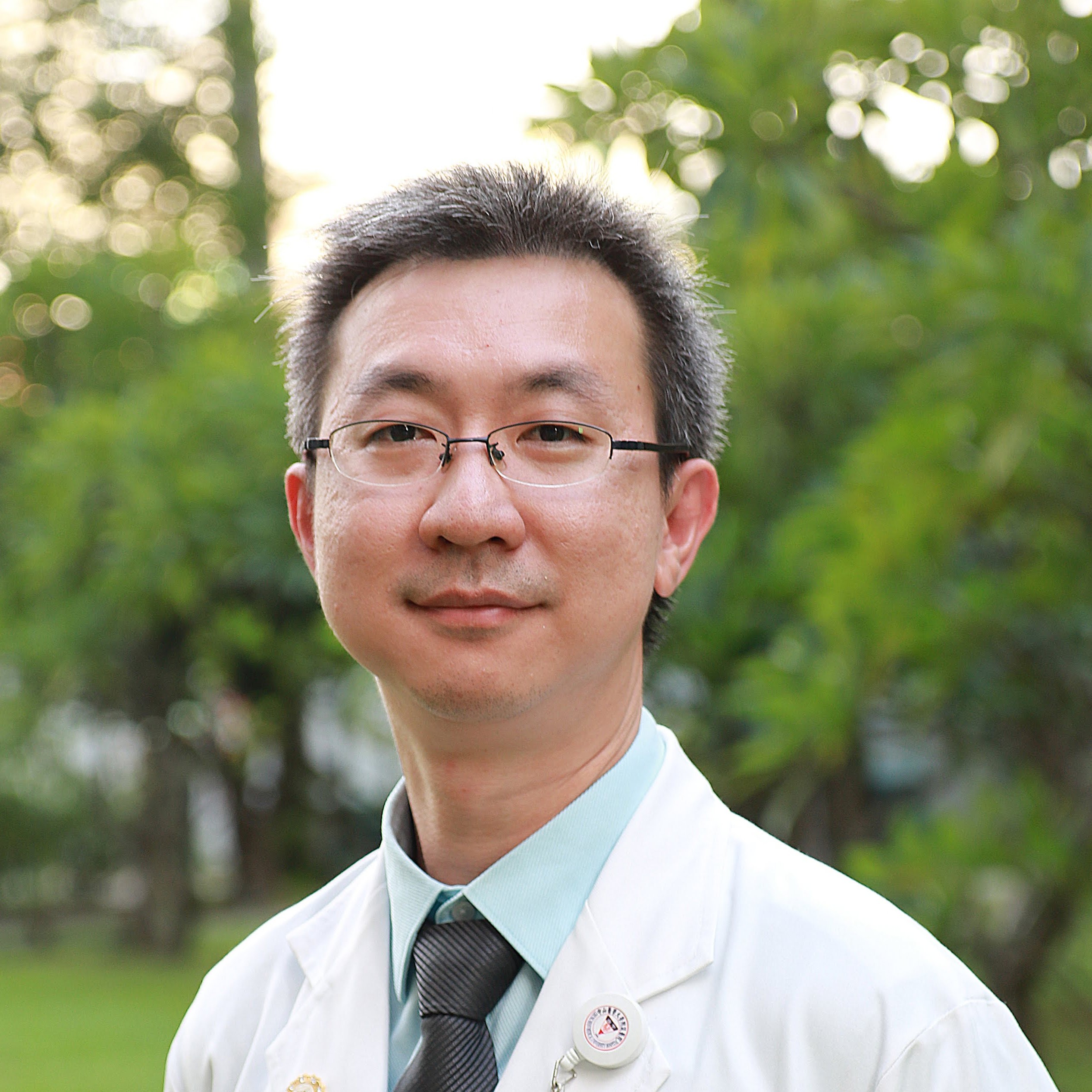
Edy Kornelius Taiwan

Dr. Edy Kornelius is an endocrinologist and Associate Professor at Chung Shan Medical University, Taiwan, and currently serves as Director of the Division of Endocrinology and metabolism at Chung Shan Medical University Hospital. He completed his training in internal medicine and endocrinology in Taiwan and has developed broad clinical and academic expertise in thyroid disease and diabetes. Dr. Kornelius is an active clinician-scientist with a strong interest in patient-centred endocrine care and real-world outcomes research. His research spans thyroid disorders, diabetes therapeutics, cardiometabolic risk, and the neuropsychiatric aspects of endocrine disease. He has published extensively in leading international journals, including The Journal of Clinical Endocrinology & Metabolism (JCEM), Thyroid, Neurology, Diabetes Research and Clinical Practice, and other high-impact peer-reviewed journals. In recent years, his work has increasingly focused on the interface between endocrine disease and mental health, particularly anxiety, psychological distress, and patient-reported outcomes in chronic endocrine conditions. His research has highlighted the importance of recognizing psychological burden in routine endocrine practice, including in patients with thyroid nodules, where diagnostic uncertainty and malignancy concern may substantially affect quality of life. Beyond research, Dr. Kornelius is actively involved in medical education, guideline implementation, and professional society activities. He regularly contributes to regional and international scientific meetings and is committed to promoting holistic, evidence-based endocrine care that integrates physical and psychological dimensions of disease.

20 MARCH

Time Session
10:30
12:00
Future Management in Diabetes Mellitus
Edy KorneliusTaiwan Moderator Anxiety in Patients with Thyroid Nodules: What Clinicians Need to KnowThyroid nodules are commonly encountered in endocrine practice, and while the majority are benign, the diagnostic and surveillance process often imposes a substantial psychological burden on patients. Anxiety related to fear of malignancy, uncertainty surrounding ultrasonographic findings, fine-needle aspiration results, and long-term follow-up is frequently underestimated and insufficiently addressed in routine clinical care. Emerging evidence suggests that anxiety in patients with thyroid nodules may persist even after reassurance of benign disease and can significantly affect quality of life, healthcare utilization, and decision-making preferences. Cancer-related worry is often disproportionate to the actual risk of malignancy and may be exacerbated by repeated imaging, indeterminate cytology, ambiguous terminology, and lack of clear follow-up strategies. Heightened anxiety has been associated with increased demand for diagnostic interventions and preference for aggressive management, potentially leading to overtreatment. This presentation reviews current evidence on the prevalence, determinants, and clinical consequences of anxiety among patients with thyroid nodules, integrating published literature with real-world clinical experience. Practical approaches for identifying psychological distress in outpatient settings and strategies for improving communication and expectation management will be discussed. Recognizing and addressing anxiety as an integral component of thyroid nodule care is essential for delivering holistic, patient-centred, and value-based endocrinology.
Vivien LimSingapore Moderator The Danger of Obesity in South East Asia and Practical Tips in the Clinic Obesity is steadily increasing in South East Asia (SEA) and with it comes complications naturally follow from it - metabolic, physical and mental. The talk will touch on the following: - the prevalence of this and the changes over time - the rising burden of it - practical tips that can aid in the clinic including busting myths and misconceptions that hamper its management
  • Daisuke YabeJapan Speaker Advancing toward a Cure for Diabetes: Insights from iPSC-Derived Islet Cell Transplantation TrialType 1 diabetes is characterized by absolute insulin deficiency and marked glycemic variability, creating a constant challenge for individuals who must maintain strict glycemic control to prevent complications and severe hypoglycemia. To address these persistent unmet medical needs, transplantation of pancreatic islet–like cells derived from embryonic stem (ES) or induced pluripotent stem (iPSC) cells has emerged as a promising therapeutic strategy. Encouraging advances have recently been reported from the United States and China. Notably, a world-first autologous transplantation of patient-specific iPSC-derived islet-like cells in China achieved insulin independence with near-normal glycemic control. Despite its promise, concerns remain regarding long-term safety, durability, and broad applicability, underscoring the need for further rigorous clinical evaluation. This lecture will provide an overview of current progress and ongoing challenges in β-cell replacement therapy aimed at curing type 1 diabetes. In addition, I will introduce the study design of our clinical trial at Kyoto University Hospital evaluating allogeneic transplantation of iPSC-derived islet cell sheets (OZTx-410). Through these insights, we aim to highlight both the steady steps already taken and the horizon of possibilities ahead in the pursuit of a functional cure for diabetes.Incretin-Based Therapeutics: Bridging Theory and Practice, and Exploring New HorizonsThe landscape of type 2 diabetes management has been transformed by the advent of incretin-based therapies, including dipeptidyl peptidase-4 (DPP-4) inhibitors and glucagon-like peptide-1 (GLP-1) receptor agonists. In Japan—where more than 70% of individuals with diabetes are aged 65 years or older and commonly present with a non-obese phenotype and reduced insulin secretory capacity—DPP-4 inhibitors continue to serve as a fundamental treatment option, offering effective glycemic control with minimal risk of hypoglycemia. In contrast, among younger adults with obesity, GLP-1 receptor agonists have emerged as essential agents that not only improve glycemic control but also promote weight reduction and confer cardiovascular and renal benefits. A major advance in 2023 was the approval of tirzepatide, a dual glucose-dependent insulinotropic polypeptide (GIP)/GLP-1 receptor agonist that engages both receptors. Tirzepatide has demonstrated robust glucose-lowering and weight-reducing effects in both clinical trials and real-world practice in Japan, further expanding therapeutic opportunities across the region. However, incretin-based therapies are not without challenges: gastrointestinal adverse events remain common, and potential associations with pancreatic and biliary diseases continue to require caution. In older adults, concerns regarding their impact on frailty and sarcopenia demand careful clinical judgment. Furthermore, inappropriate discontinuation of insulin therapy after initiating incretin treatment has occasionally resulted in severe clinical consequences, highlighting the critical need for decision-making that extends beyond the evidence from controlled trials. In response to these issues, the Japan Diabetes Society (JDS) Committee for the Safe Use of Medications released the Recommendations for the Safe Use of Incretin-Related Agents, Second Edition in 2024. Disseminating these recommendations across East Asia and the broader Asia–Oceania region will be essential to ensure the safe and effective application of incretin-based therapies in diverse clinical settings. In this plenary lecture, I will explore strategies to optimize type 2 diabetes management in Asia by harnessing the therapeutic potential of incretin-based agents while proactively mitigating associated risks. Together, we aim to build a future in which innovation, safety, and patient-centered care advance hand in hand.
  • Kang-Chih FanTaiwan Speaker AI-Driven Precision Drug Therapy: Tailoring Personalized Treatment for Type 2 Diabetes Type 2 diabetes (T2D) is a highly heterogeneous syndrome where "one-size-fits-all" algorithms often fail to address individual pathophysiological variations. While recent guidelines prioritize cardiorenal protection, the choice between second-line agents—particularly SGLT2 inhibitors versus GLP-1 receptor agonists—remains largely empirical. This "trial-and-error" paradigm frequently results in therapeutic inertia and suboptimal glycemic durability. Artificial Intelligence (AI) and machine learning (ML) offer a paradigm shift from population-based guidelines to precision diabetology. By integrating high-dimensional data from electronic health records (EHR), continuous glucose monitoring (CGM), and routinely available clinical features, AI models can now quantify heterogeneous treatment effects (HTE) at the individual level. In this presentation, I will discuss: 1. Phenotypic Stratification: Moving beyond classic classification to identify data-driven clusters (e.g., severe insulin-resistant vs. age-related clusters) that dictate distinct disease trajectories. 2. Predictive Pharmacotherapy: Reviewing recent evidence where ML algorithms predict individual glycemic response, cardiorenal outcomes, and weight loss outcomes for specific drug classes. We will highlight how AI-driven decision support can optimize the selection between SGLT2 inhibitors and GLP-1 receptor agonists, maximizing efficacy while minimizing adverse events. 3. Real-World Implementation: Discussing the potential of leveraging large-scale longitudinal datasets, such as Taiwan’s National Health Insurance Research Database (NHIRD), to build robust, population-specific prediction models and facilitate the clinical adoption of explainable AI (XAI). Bridging the gap between data science and clinical practice, this session aims to demonstrate how AI can empower clinicians to prescribe the right drug for the right patient at the right time, fundamentally transforming T2D management.Anti-Obesity Medications: Clinical Use Obesity is a chronic, relapsing neurobehavioral disease requiring long-term management. Recent guidelines have shifted the treatment goal from BMI-centric weight loss to a "health-centered" approach, focusing on the remission of weight-related complications. With the advent of nutrient-stimulated hormone-based therapies, we have entered an era where pharmacotherapy can achieve double-digit weight loss comparable to bariatric surgery, offering systemic organ protection. In this session, we will navigate the clinical use of anti-obesity medications (AOMs) through three key dimensions based on the latest evidence: 1. Efficacy and Organ Protection: We will review the landmark trials establishing GLP-1 and dual GIP/GLP-1 receptor agonists as the cornerstone of treatment. Highlights include Semaglutide (STEP, SELECT, ESSENCE) and Tirzepatide (SURMOUNT, SUMMIT, SURMOUNT-OSA), demonstrating not only 15–20% weight loss but also breakthrough benefits in cardiovascular outcomes (MACE), heart failure with preserved ejection fraction (HFpEF), metabolic dysfunction-associated steatohepatitis (MASH), and obstructive sleep apnea (OSA). 2. Comorbidity-Directed Strategy: A practical framework for drug selection will be proposed, distinguishing between "Fat Mass Disease" (e.g., OSA, osteoarthritis), which benefits primarily from mechanical weight reduction, and "Sick Fat Disease" (e.g., T2D, CVD, MASH), which requires correction of adipose dysfunction. We will discuss how to prioritize agents like Semaglutide and Tirzepatide for high-risk profiles, while utilizing Naltrexone/Bupropion for emotional eating or Orlistat for patients requiring non-systemic options. 3. Asian Perspectives & Practical Management: We will present data confirming that Asian populations, who are highly sensitive to metabolic risks, achieve weight loss efficacy comparable to Western populations with Semaglutide and Tirzepatide (STEP-7, SURMOUNT-CN/J). Finally, we will address practical strategies for dose titration to mitigate GI adverse events and emphasize the necessity of chronic treatment to prevent weight regain. This presentation aims to equip clinicians with a precision medicine approach, ensuring the right AOM is prescribed to maximize both weight reduction and holistic health outcomes.
  • Jenny GuntonAustralia Speaker Closing the Type 2 Diabetes Gap in Cardiovascular and Renal DiseasePeople with type 2 diabetes die, on average, 6-7 years earlier. This is mostly due to excess cardiovascular events. This presentation will discuss options for lowering cardiovascular and renal risk in people with type 2 diabetes.Managing Hyperglycaemia in Patients Receiving Immune Checkpoint InhibitorsIt is estimated that >20% of people treated with Immune Checkpoint Inhibitors (ICI) for their cancer will experience new or worsening hyperglycaemia. This presentation will discuss the differential diagnoses for the cause of hyperglycaemia in people treated with ICI and treatment strategies
101
13:10
13:40
Obesity
Edy KorneliusTaiwan Moderator Anxiety in Patients with Thyroid Nodules: What Clinicians Need to KnowThyroid nodules are commonly encountered in endocrine practice, and while the majority are benign, the diagnostic and surveillance process often imposes a substantial psychological burden on patients. Anxiety related to fear of malignancy, uncertainty surrounding ultrasonographic findings, fine-needle aspiration results, and long-term follow-up is frequently underestimated and insufficiently addressed in routine clinical care. Emerging evidence suggests that anxiety in patients with thyroid nodules may persist even after reassurance of benign disease and can significantly affect quality of life, healthcare utilization, and decision-making preferences. Cancer-related worry is often disproportionate to the actual risk of malignancy and may be exacerbated by repeated imaging, indeterminate cytology, ambiguous terminology, and lack of clear follow-up strategies. Heightened anxiety has been associated with increased demand for diagnostic interventions and preference for aggressive management, potentially leading to overtreatment. This presentation reviews current evidence on the prevalence, determinants, and clinical consequences of anxiety among patients with thyroid nodules, integrating published literature with real-world clinical experience. Practical approaches for identifying psychological distress in outpatient settings and strategies for improving communication and expectation management will be discussed. Recognizing and addressing anxiety as an integral component of thyroid nodule care is essential for delivering holistic, patient-centred, and value-based endocrinology.
  • Alice KongHong Kong, China Speaker Obesity: What Clinicians Should KnowRapid changes in technology, human behavior and lifestyle over the past few decades have resulted in a dramatic increase in the prevalence of obesity worldwide. Besides social stigmata and psychological consequences, obesity is associated with escalated risks of type 2 diabetes, coined the term "Diabesity", hypertension, dyslipidemia, sleep apnoea, metabolic dysfunction-associated steatotic liver disease (MASLD), formerly known as non-alcoholic fatty liver disease (NAFLD), polycystic ovarian syndrome, cancers, cardiovascular diseases and increased mortality. Body mass index (BMI) is a commonly adopted tool to identify people with obesity. Clinicians should note that the cutoff points of BMI for clinical actions are different between people with obesity from the East and the West, as well as the limitations of BMI in diagnosing obesity. Recently, the Lancet Diabetes and Endocrinology Commission proposed a new definition of obesity which differentiates excess adiposity with obesity-related illness (clinical obesity) from those without obesity-related diseases (pre-clinical obesity). Also, people with clinical obesity have many unmet needs requiring personalized treatment regimens, intensive counselling and emotional support. The 5 A's framework including Ask, Assess, Advise, Agree and Assist, provide a patient-centred approach to promote lasting behavioral change in obesity management. In addition to lifestyle modifications and behavioral changes, pharmacological agents for weight reduction, bariatric and metabolic surgeries are therapeutic options requiring careful selections for the appropriate patients with adequate counselling of the risks and benefits. Through case sharing approach, the use of weight reducing drugs and surgical strategies for people with preclinical and clinical obesity will be discussed in this session. Acknowledgement: The work described in this lecture was partially supported by funding from Health and Medical Research Fund (HMRF), Food and Health Bureau, Hong Kong SAR, China (Reference number:21223391), Matching Grant from Research Grants Council (reference number: 8601556), and Area of Excellence Scheme, Research Grants Council, Hong Kong SAR, China (Reference number: AoE/M-401/24-R). Obesity Management: What's New?Obesity is a global health hazard with rising prevalence in most parts of the world. Weight reduction by lifestyle modification remains the cornerstone in the prevention and treatment of obesity. However, weight management by lifestyle therapy alone is difficult to sustain in many obese individuals with rebound of body weight being observed as a common phenomenon. Given the invasiveness of bariatric and metabolic surgeries which are not accepted by many people with obesity, the use of pharmacological agents in weight management is increasingly popular. In 2025, the Lancet Diabetes and Endocrinology Commission proposed a new definition of obesity which differentiates excess adiposity with obesity-related illness (clinical obesity) from those without obesity-related diseases (pre-clinical obesity). Among the various obesity complications, diabetes is well recognized to be closely related to obesity, with the term 'Diabesity' coined to show the strong link between these two important modifiable risk factors of cardiovascular disease and premature death. In recent decades, many new generation anti-diabetic drugs are developed and found to have weight reducing properties. Looking ahead, more new drugs are in the pipeline of clinical trials, and the results may eventually change the landscape of obesity management. Acknowledgement: The work described in this lecture was partially supported by funding from Health and Medical Research Fund (HMRF), Food and Health Bureau, Hong Kong SAR, China (Reference number:21223391), Matching Grant from Research Grants Council (reference number: 8601556), and Area of Excellence Scheme, Research Grants Council, Hong Kong SAR, China (Reference number: AoE/M-401/24-R).
201BC

21 MARCH

Time Session
10:20
11:10
Edy KorneliusTaiwan Moderator Anxiety in Patients with Thyroid Nodules: What Clinicians Need to KnowThyroid nodules are commonly encountered in endocrine practice, and while the majority are benign, the diagnostic and surveillance process often imposes a substantial psychological burden on patients. Anxiety related to fear of malignancy, uncertainty surrounding ultrasonographic findings, fine-needle aspiration results, and long-term follow-up is frequently underestimated and insufficiently addressed in routine clinical care. Emerging evidence suggests that anxiety in patients with thyroid nodules may persist even after reassurance of benign disease and can significantly affect quality of life, healthcare utilization, and decision-making preferences. Cancer-related worry is often disproportionate to the actual risk of malignancy and may be exacerbated by repeated imaging, indeterminate cytology, ambiguous terminology, and lack of clear follow-up strategies. Heightened anxiety has been associated with increased demand for diagnostic interventions and preference for aggressive management, potentially leading to overtreatment. This presentation reviews current evidence on the prevalence, determinants, and clinical consequences of anxiety among patients with thyroid nodules, integrating published literature with real-world clinical experience. Practical approaches for identifying psychological distress in outpatient settings and strategies for improving communication and expectation management will be discussed. Recognizing and addressing anxiety as an integral component of thyroid nodule care is essential for delivering holistic, patient-centred, and value-based endocrinology.
Mei-Yueh LeeTaiwan Moderator
201AF

22 MARCH

Time Session
11:00
12:30
Updates in Endocrinology: Emerging Insights into Adrenal Disorders, Muscle Health, and Endocrine Diseases
  • Min Jeong ParkSouth Korea Speaker Pheochromocytoma: Current Concepts and Emerging EvidencePheochromocytoma and paraganglioma: Current Concepts and Emerging Evidence Min Jeong Park1 1Department of Internal Medicine, College of Medicine, Korea University, Seoul, South Korea Pheochromocytoma and paragangliomas (PPGLs) are rare neuroendocrine tumors. Over the past decade, rapid progress in molecular genetics, diagnostic and follow-up strategies, and systemic therapy has reshaped the landscape of these tumors. In this lecture, I will summarize current concepts and emerging evidence with particular attention to evolving clinical phenotype and long-term management challenges. Recent evidence suggests that a subset of PPGL patients exhibit autonomous hypercortisolemia in addition to catecholamine excess. In such cases, our group discovered higher rates of metabolic comorbidities – including diabetes mellitus and hypertension – compared with PPGL without cortisol excess. It infers the need for evaluation of pre and postoperative adrenal cortical function and metabolic comorbidities in patients with PPGL. PPGL are now recognized as among the most heritable human tumors, with 30-40% harboring germline mutation across more than 20 susceptibility genes. Molecular profiling had led to classification into three major clusters: Pseudohypoxia, kinase signaling, and Wnt-pathway – which informs biochemical phenotype, imaging patterns, and metastatic behavior. Multi-omics analyses identify ATRX/TERT alterations, copy-number burden, and immune microenvironmental features as potential prognostic biomarkers. Surgery remains curative for localized disease with alpha-blockade based perioperative optimization. For metastatic or unresectable disease, tyrosine kinase inhibitors, radionuclide therapies, and immune checkpoint inhibitors form an evolving systemic therapy for PPGL. Prediction of recurrence is also a major unmet domain. Current guideline recommend more than 10 years of surveillance for all resected PPGL and lifelong follow-up for high-risk patients; however, criteria for discontinuing surveillance in low-risk patients after 10 years remain undefined. Our group investigated features of the very-low risk group, which may discontinue follow-up after free of recurrence for 10 years of follow-up. This lecture will integrate recent advances in PPGL biology and management with practical consideration for metabolic assessment and long-term surveillance, including new data that may guide personalized decision-making for folllow-up cessation in selected low-risk patients.
  • Beom-Jun KimSouth Korea Speaker Translational Research for Developing Blood-Based Biomarkers of SarcopeniaSarcopenia, characterized by the progressive loss of skeletal muscle mass and function, is a major determinant of frailty and adverse health outcomes in aging populations. Consequently, the identification of reliable blood-based biomarkers is critical for early diagnosis, risk stratification, and the development of therapeutic interventions. This lecture provides an overview of our translational research efforts aimed at discovering and validating novel biomarkers using multi-omics approaches in both preclinical and clinical models of sarcopenia. In animal models, we have integrated proteomics and metabolomics to identify candidate biomarkers reflecting key pathophysiological mechanisms of muscle degeneration. Concurrently, in human cohorts, we employed multi-omics profiling of circulating biomarkers to detect signatures associated with muscle mass, strength, and physical performance. A central focus of our research is the cross-validation of these biomarkers between animal and human models to ensure translational relevance. By leveraging comparative bioinformatics analyses, we aim to establish robust biomarkers with high sensitivity and specificity for detecting sarcopenia and monitoring disease progression. Furthermore, this lecture will discuss the potential clinical utility of these biomarkers in personalized risk assessment. By bridging preclinical discoveries with human validation studies, our work contributes to the advancement of precision medicine for sarcopenia. Ultimately, establishing reliable blood-based biomarkers will facilitate the early identification of high-risk individuals, improve patient stratification in clinical trials, and enable targeted therapeutic strategies.
  • Edy KorneliusTaiwan Speaker Anxiety in Patients with Thyroid Nodules: What Clinicians Need to KnowThyroid nodules are commonly encountered in endocrine practice, and while the majority are benign, the diagnostic and surveillance process often imposes a substantial psychological burden on patients. Anxiety related to fear of malignancy, uncertainty surrounding ultrasonographic findings, fine-needle aspiration results, and long-term follow-up is frequently underestimated and insufficiently addressed in routine clinical care. Emerging evidence suggests that anxiety in patients with thyroid nodules may persist even after reassurance of benign disease and can significantly affect quality of life, healthcare utilization, and decision-making preferences. Cancer-related worry is often disproportionate to the actual risk of malignancy and may be exacerbated by repeated imaging, indeterminate cytology, ambiguous terminology, and lack of clear follow-up strategies. Heightened anxiety has been associated with increased demand for diagnostic interventions and preference for aggressive management, potentially leading to overtreatment. This presentation reviews current evidence on the prevalence, determinants, and clinical consequences of anxiety among patients with thyroid nodules, integrating published literature with real-world clinical experience. Practical approaches for identifying psychological distress in outpatient settings and strategies for improving communication and expectation management will be discussed. Recognizing and addressing anxiety as an integral component of thyroid nodule care is essential for delivering holistic, patient-centred, and value-based endocrinology.
  • Yi-Sun YangTaiwan Speaker Impaired Fasting Glucose and Musculoskeletal DisordersThe Continuum of Glycemic Dysregulation and Musculoskeletal Health: From Impaired Fasting Glucose to Established Diabetes. As the global medical community transitions into the "Next ERA" of endocrinology, there is an urgent need to broaden our focus beyond traditional microvascular and macrovascular complications toward the pervasive, yet often neglected, musculoskeletal (MS) burden associated with dysglycemia. While the debilitating effects of established Type 2 Diabetes Mellitus (T2DM) on physical function are well-documented, emerging clinical evidence suggests that the musculoskeletal system is an early "silent" target of metabolic injury, with pathological changes manifesting as early as the Impaired Fasting Glucose (IFG) stage. This presentation explores the MS burden across the full glycemic spectrum, highlighting how the transition from normoglycemia to IFG, and ultimately to T2DM, correlates with a progressive increase in chronic pain, structural tissue damage, and functional disability.
103