
Ju-Ying JiangDr. Taiwan
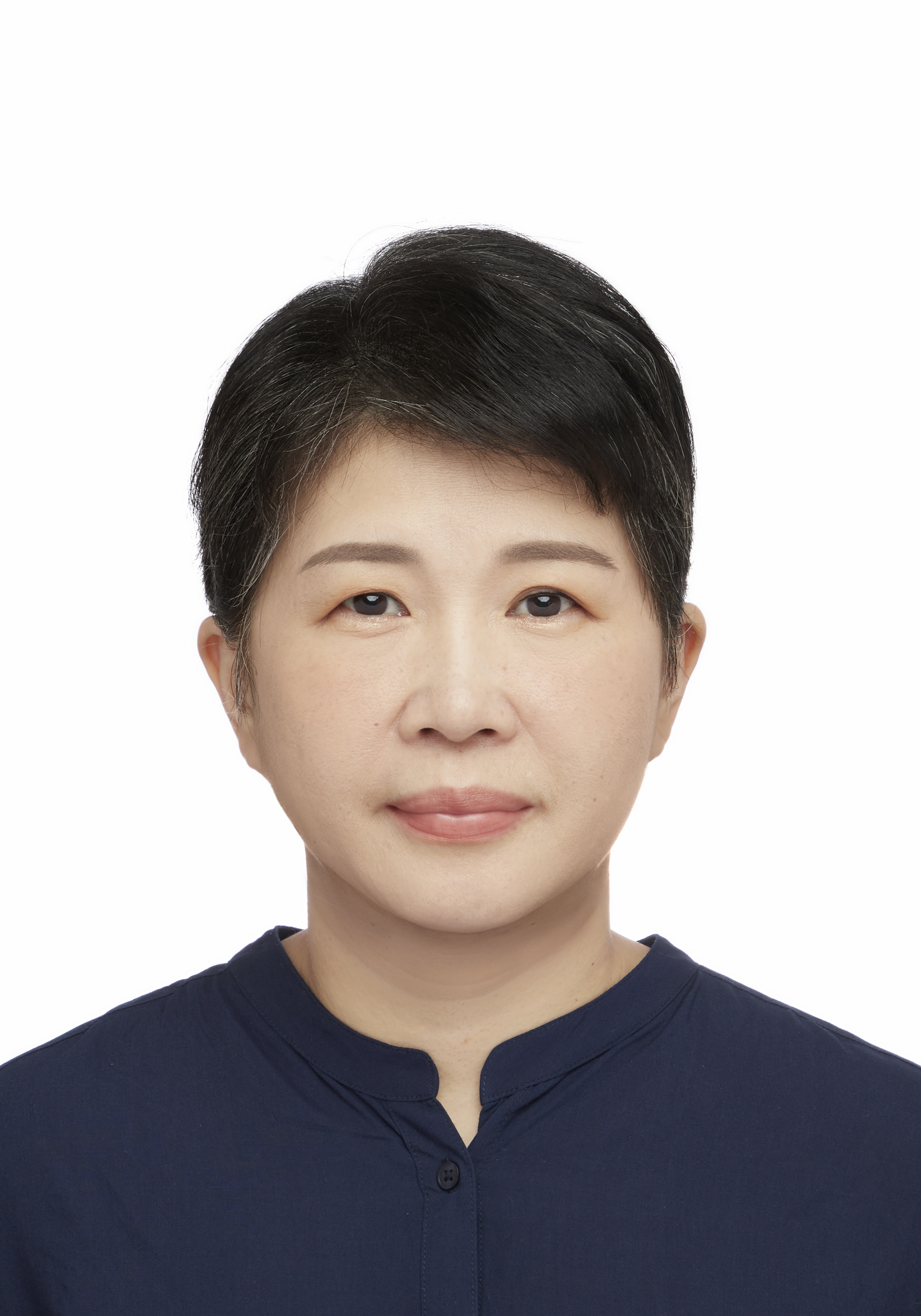
Dr. Jiang is currently the Head of the Department of Endocrinology and Metabolism at Far Eastern Memorial Hospital, New Taipei City, Taiwan. She also serves as a lecturer in the Department of Medical Information and Management at Ming Chuan University. She earned her medical degree from National Taiwan University and completed her professional training in Internal Medicine as well as Endocrinology and Metabolism at National Taiwan University Hospital. She later obtained a Master of Science degree from the Graduate Institute of Health Policy and Management, College of Public Health, National Taiwan University.
Dr. Jiang is board-certified in Internal Medicine and in Endocrinology and Metabolism in Taiwan. She is a member of the Taiwan Society of Internal Medicine, the Endocrine Society of the Republic of China (Taiwan ), the Diabetes Association of the Republic of China (Taiwan), Taiwanese Association of Diabetes Educators (TADE), and the Asian Association for the Study of Diabetes (AASD).
As an attending physician, Dr. Jiang provides both outpatient and inpatient care for patients with diabetes. She also serves as the principal investigator in multiple international, multicenter Phase II, III and IV clinical trials related to diabetes.
In addition, Dr. Jiang is actively involved in public health education programs and professional training, frequently delivering continuing education lectures and organizing local seminars for healthcare professionals.
22 MARCH
| Time | Session |
|---|---|
|
08:30
09:10
|
101
|
|
14:00
15:30
|
Insulin Therapy Across the Spectrum of Diabetes
Chia-Hung LinTaiwan
Moderator
The New Era of Insulin Therapy: Ultra-Long Acting, Smart Delivery, and BeyondInsulin therapy is entering a transformative era driven by innovations in pharmacology, delivery systems, and data integration, fundamentally reshaping diabetes management. The development of ultra-long-acting basal insulin analogues has markedly improved glycemic stability by providing flatter, more predictable pharmacokinetic and pharmacodynamic profiles with extended duration of action. These agents reduce glycemic variability, lower the risk of nocturnal and overall hypoglycemia, and allow greater dosing flexibility, thereby improving treatment adherence and quality of life for people with diabetes.
Beyond molecular advances, smart insulin delivery technologies are redefining how insulin is administered and titrated. Continuous subcutaneous insulin infusion (CSII) systems integrated with continuous glucose monitoring (CGM) have evolved into automated insulin delivery (AID) or hybrid closed-loop systems that dynamically adjust basal insulin and deliver correction boluses based on real-time glucose data. These systems consistently demonstrate superior time-in-range, reduced hypoglycemia, and decreased patient burden compared with conventional multiple daily injections or sensor-augmented pump therapy. Increasingly, algorithm refinement, interoperability, and personalization are enabling broader clinical applicability across age groups and diabetes phenotypes.
Collectively, these advances signal a paradigm shift from reactive glucose control toward proactive, personalized, and technology-enabled insulin therapy. The integration of ultra-long-acting insulins, smart delivery systems, and digital innovations promises to further improve glycemic outcomes, safety, and patient-centered care in the management of diabetes.
102
|