Chia-Hung LinDr. Taiwan
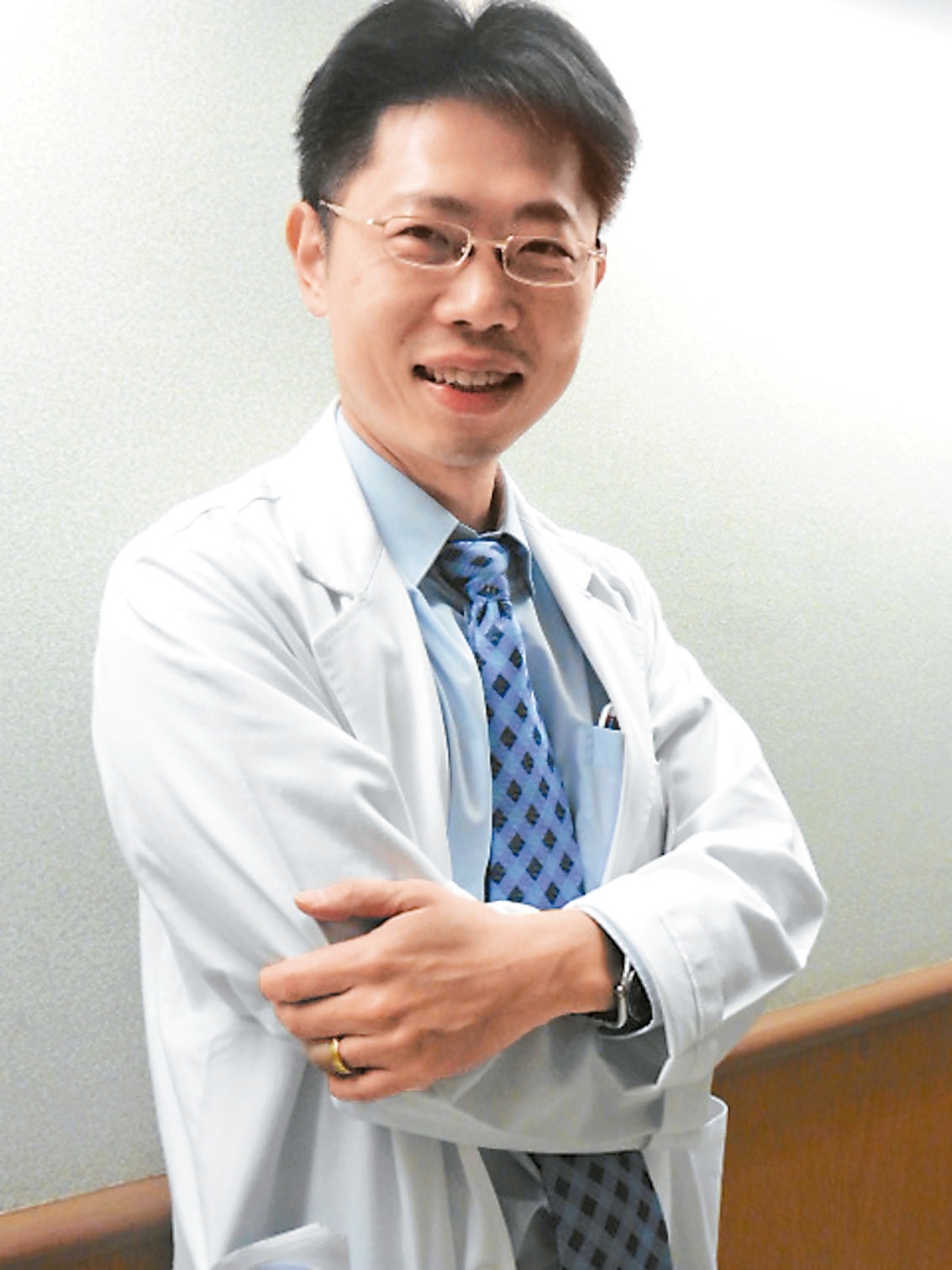
Dr. Chia-Hung Lin is an Associate Professor of Medicine and a senior attending physician in the Division of Endocrinology and Metabolism at Chang Gung Memorial Hospital, Linkou, Taiwan. Born in Chiayi, Taiwan, in 1974, he received his Doctor of Medicine degree from National Taiwan University and later earned a Ph.D. from the Graduate Institute of Clinical Medical Sciences at Chang Gung University, reflecting his strong commitment to both clinical excellence and translational research.
Following residency training in internal medicine and fellowship training in endocrinology and metabolism at Chang Gung Memorial Hospital, Dr. Lin has served as an attending physician since 2005. He has held progressive academic appointments at Chang Gung University, advancing from Lecturer to Assistant Professor, and since 2022, Associate Professor. He also currently serves as Director of Medical Nutrition Therapy at Chang Gung Memorial Hospital, where he integrates evidence-based nutritional strategies into comprehensive diabetes care.
Dr. Lin is board-certified in internal medicine and endocrinology and metabolism in Taiwan and is an active member of numerous professional societies, including the American Diabetes Association. His clinical and research interests focus on continuous subcutaneous insulin infusion (CSII), continuous glucose monitoring (CGM), automatic insulin delivery systems, diabetic nutrition, gestational diabetes mellitus, and the genetic and epigenetic mechanisms underlying diabetes and treatment response.
With an extensive publication record spanning leading international journals, Dr. Lin has contributed significantly to the understanding of glucose variability, insulin delivery technologies, diabetic complications, and personalized diabetes therapy. His work has been recognized with multiple awards, including the Novartis Excellent Article Award and the Novo Nordisk Excellent Article Award.
22 MARCH
| Time | Session |
|---|---|
|
14:00
15:30
|
Insulin Therapy Across the Spectrum of Diabetes
Chia-Hung LinTaiwan
Moderator
The New Era of Insulin Therapy: Ultra-Long Acting, Smart Delivery, and BeyondInsulin therapy is entering a transformative era driven by innovations in pharmacology, delivery systems, and data integration, fundamentally reshaping diabetes management. The development of ultra-long-acting basal insulin analogues has markedly improved glycemic stability by providing flatter, more predictable pharmacokinetic and pharmacodynamic profiles with extended duration of action. These agents reduce glycemic variability, lower the risk of nocturnal and overall hypoglycemia, and allow greater dosing flexibility, thereby improving treatment adherence and quality of life for people with diabetes.
Beyond molecular advances, smart insulin delivery technologies are redefining how insulin is administered and titrated. Continuous subcutaneous insulin infusion (CSII) systems integrated with continuous glucose monitoring (CGM) have evolved into automated insulin delivery (AID) or hybrid closed-loop systems that dynamically adjust basal insulin and deliver correction boluses based on real-time glucose data. These systems consistently demonstrate superior time-in-range, reduced hypoglycemia, and decreased patient burden compared with conventional multiple daily injections or sensor-augmented pump therapy. Increasingly, algorithm refinement, interoperability, and personalization are enabling broader clinical applicability across age groups and diabetes phenotypes.
Collectively, these advances signal a paradigm shift from reactive glucose control toward proactive, personalized, and technology-enabled insulin therapy. The integration of ultra-long-acting insulins, smart delivery systems, and digital innovations promises to further improve glycemic outcomes, safety, and patient-centered care in the management of diabetes.
102
|