Yi-Ching TungDr. Taiwan
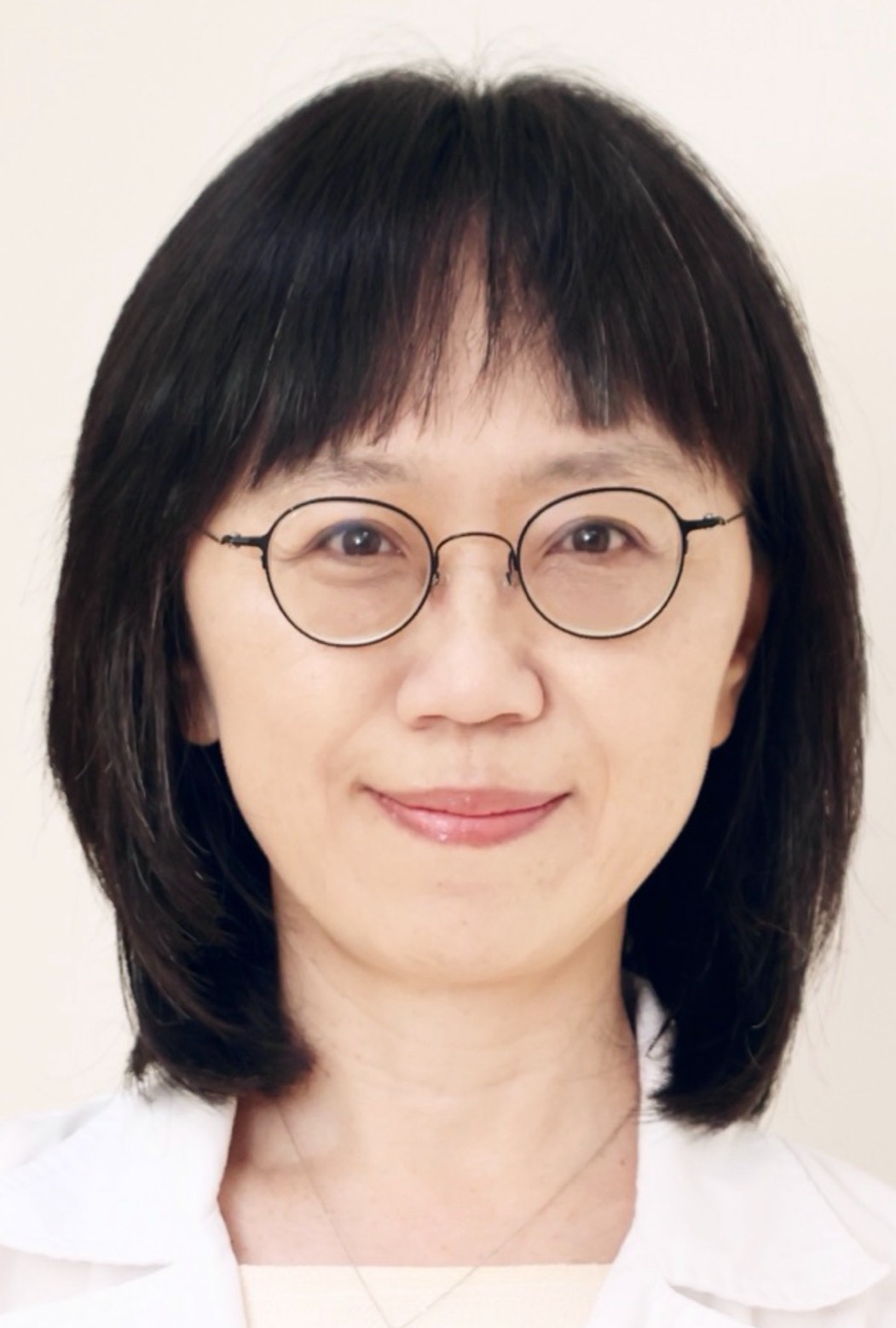
Dr. Yi-Ching Tung is an attending pediatric endocrinologist at National Taiwan University Hospital (NTUH) and an Assistant Professor in the School of Medicine, National Taiwan University. She received her MD from the College of Medicine, National Taiwan University, and earned her PhD from the Graduate Institute of Clinical Medicine at the same institution.
After completing her residency in pediatrics at NTUH, Dr. Tung undertook fellowship training in pediatric endocrinology. She currently serves as Deputy Director of Resident Education in the Department of Pediatrics, Director of the Pediatric Genetic Endocrinology Program, and Leader of the Multidisciplinary Pediatric Diabetes Care Team at NTU Children’s Hospital. In addition, she is actively involved in national professional organizations and currently serves as Vice Chair of the Pediatric Endocrinology Committee of the Taiwan Pediatric Association.
Dr. Tung has demonstrated exceptional dedication to clinical care, education, and leadership, receiving multiple honors in recent years, including awards for outstanding clinical practice, teaching excellence, and commitment to medical education at NTUH.
Her research focuses on type 1 diabetes mellitus, childhood growth and development, and pediatric endocrinology. Dr. Tung has published over 60 SCI-indexed papers and has played a key role in the development of the Taiwan Society of Diabetes guidelines for the care of patients with type 1 diabetes, contributing significantly to evidence-based pediatric diabetes management in Taiwan.
22 MARCH
| Time | Session |
|---|---|
|
14:00
15:30
|
Insulin Therapy Across the Spectrum of Diabetes
Chia-Hung LinTaiwan
Moderator
The New Era of Insulin Therapy: Ultra-Long Acting, Smart Delivery, and BeyondInsulin therapy is entering a transformative era driven by innovations in pharmacology, delivery systems, and data integration, fundamentally reshaping diabetes management. The development of ultra-long-acting basal insulin analogues has markedly improved glycemic stability by providing flatter, more predictable pharmacokinetic and pharmacodynamic profiles with extended duration of action. These agents reduce glycemic variability, lower the risk of nocturnal and overall hypoglycemia, and allow greater dosing flexibility, thereby improving treatment adherence and quality of life for people with diabetes.
Beyond molecular advances, smart insulin delivery technologies are redefining how insulin is administered and titrated. Continuous subcutaneous insulin infusion (CSII) systems integrated with continuous glucose monitoring (CGM) have evolved into automated insulin delivery (AID) or hybrid closed-loop systems that dynamically adjust basal insulin and deliver correction boluses based on real-time glucose data. These systems consistently demonstrate superior time-in-range, reduced hypoglycemia, and decreased patient burden compared with conventional multiple daily injections or sensor-augmented pump therapy. Increasingly, algorithm refinement, interoperability, and personalization are enabling broader clinical applicability across age groups and diabetes phenotypes.
Collectively, these advances signal a paradigm shift from reactive glucose control toward proactive, personalized, and technology-enabled insulin therapy. The integration of ultra-long-acting insulins, smart delivery systems, and digital innovations promises to further improve glycemic outcomes, safety, and patient-centered care in the management of diabetes.
102
|