
Jenny Gunton Australia
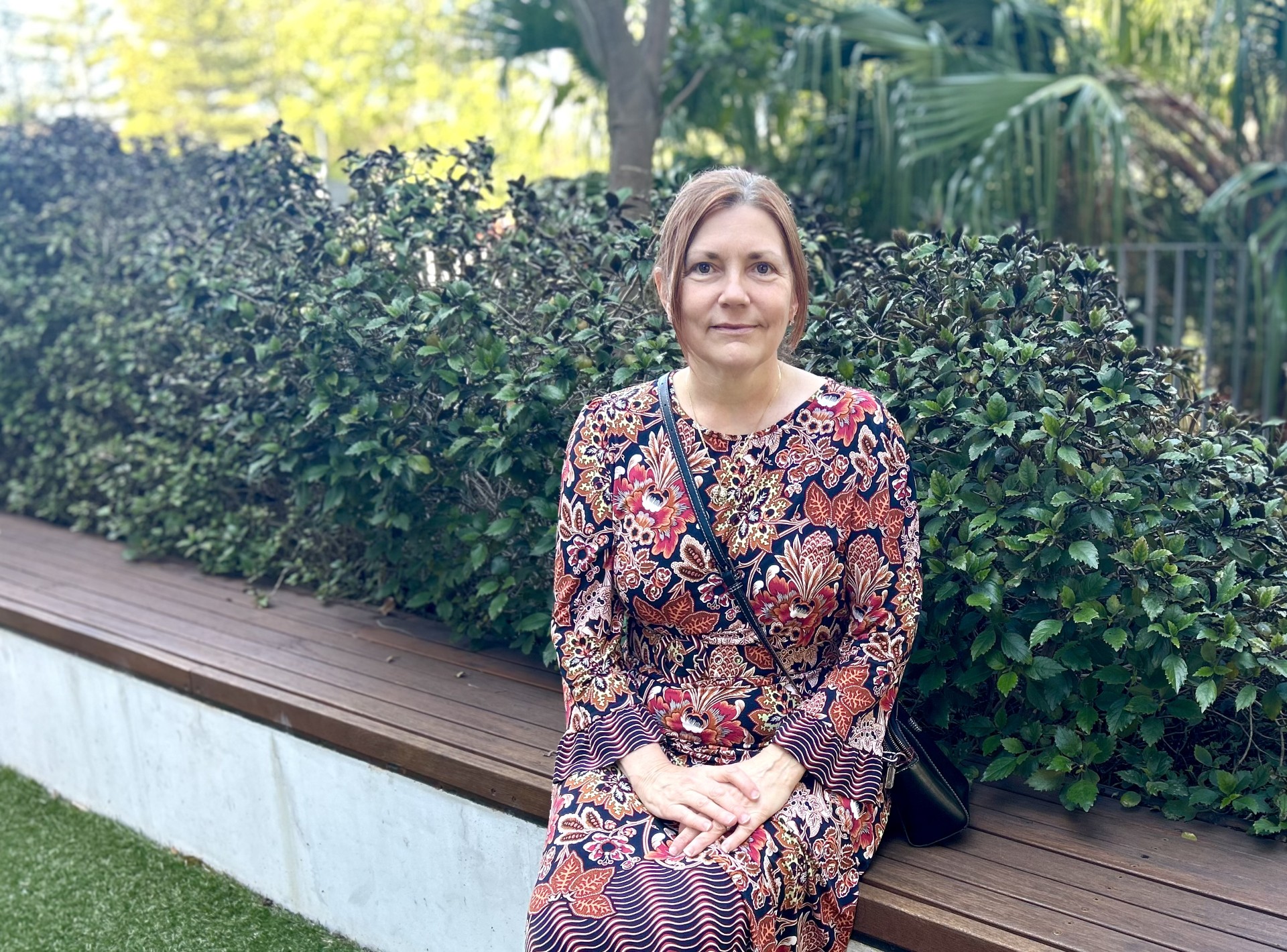
Professor Jenny Gunton completed her medical degree at University of Queensland followed by Endocrinology and Diabetes Specialist training and then a PhD in Molecular Biology with University of Sydney. Her post-doctoral studies were in the laboratory of Prof C Ron Kahn at Joslin Diabetes Centre and Harvard Medical School.
Professor Gunton is currently the President-Elect for the Endocrine Society of Australia. She is the Director of the Centre for Diabetes and Obesity Research at the Westmead Institute for Medical Research and Chair of Medicine at Westmead Hospital, The University of Sydney. Prof Gunton’s clinical interests include diabetes, obesity, and brittle bone disease. Her research focusses on beta-cell function, islet transplantation and the intersection of transcription factors and their regulation by nutrients including iron and Vitamin D.
20 MARCH
| Time | Session |
|---|---|
|
10:30
12:00
|
Future Management in Diabetes Mellitus
Edy KorneliusTaiwan
Moderator
Anxiety in Patients with Thyroid Nodules: What Clinicians Need to KnowThyroid nodules are commonly encountered in endocrine practice, and while the majority are benign, the diagnostic and surveillance process often imposes a substantial psychological burden on patients. Anxiety related to fear of malignancy, uncertainty surrounding ultrasonographic findings, fine-needle aspiration results, and long-term follow-up is frequently underestimated and insufficiently addressed in routine clinical care. Emerging evidence suggests that anxiety in patients with thyroid nodules may persist even after reassurance of benign disease and can significantly affect quality of life, healthcare utilization, and decision-making preferences.
Cancer-related worry is often disproportionate to the actual risk of malignancy and may be exacerbated by repeated imaging, indeterminate cytology, ambiguous terminology, and lack of clear follow-up strategies. Heightened anxiety has been associated with increased demand for diagnostic interventions and preference for aggressive management, potentially leading to overtreatment.
This presentation reviews current evidence on the prevalence, determinants, and clinical consequences of anxiety among patients with thyroid nodules, integrating published literature with real-world clinical experience. Practical approaches for identifying psychological distress in outpatient settings and strategies for improving communication and expectation management will be discussed. Recognizing and addressing anxiety as an integral component of thyroid nodule care is essential for delivering holistic, patient-centred, and value-based endocrinology.
Vivien LimSingapore
Moderator
The Danger of Obesity in South East Asia and Practical Tips in the Clinic Obesity is steadily increasing in South East Asia (SEA) and with it comes complications naturally follow from it - metabolic, physical and mental. The talk will touch on the following:
- the prevalence of this and the changes over time
- the rising burden of it
- practical tips that can aid in the clinic including busting myths and misconceptions that hamper its management
101
|
|
13:10
13:40
|
Diabetes Mellitus
102
|
21 MARCH
| Time | Session |
|---|---|
|
13:30
15:00
|
MASLD and Dementia Correlate with Diabetic Management
Jenny GuntonAustralia
Moderator
Closing the Type 2 Diabetes Gap in Cardiovascular and Renal DiseasePeople with type 2 diabetes die, on average, 6-7 years earlier. This is mostly due to excess cardiovascular events.
This presentation will discuss options for lowering cardiovascular and renal risk in people with type 2 diabetes.Managing Hyperglycaemia in Patients Receiving Immune Checkpoint InhibitorsIt is estimated that >20% of people treated with Immune Checkpoint Inhibitors (ICI) for their cancer will experience new or worsening hyperglycaemia.
This presentation will discuss the differential diagnoses for the cause of hyperglycaemia in people treated with ICI and treatment strategies
201DE
|