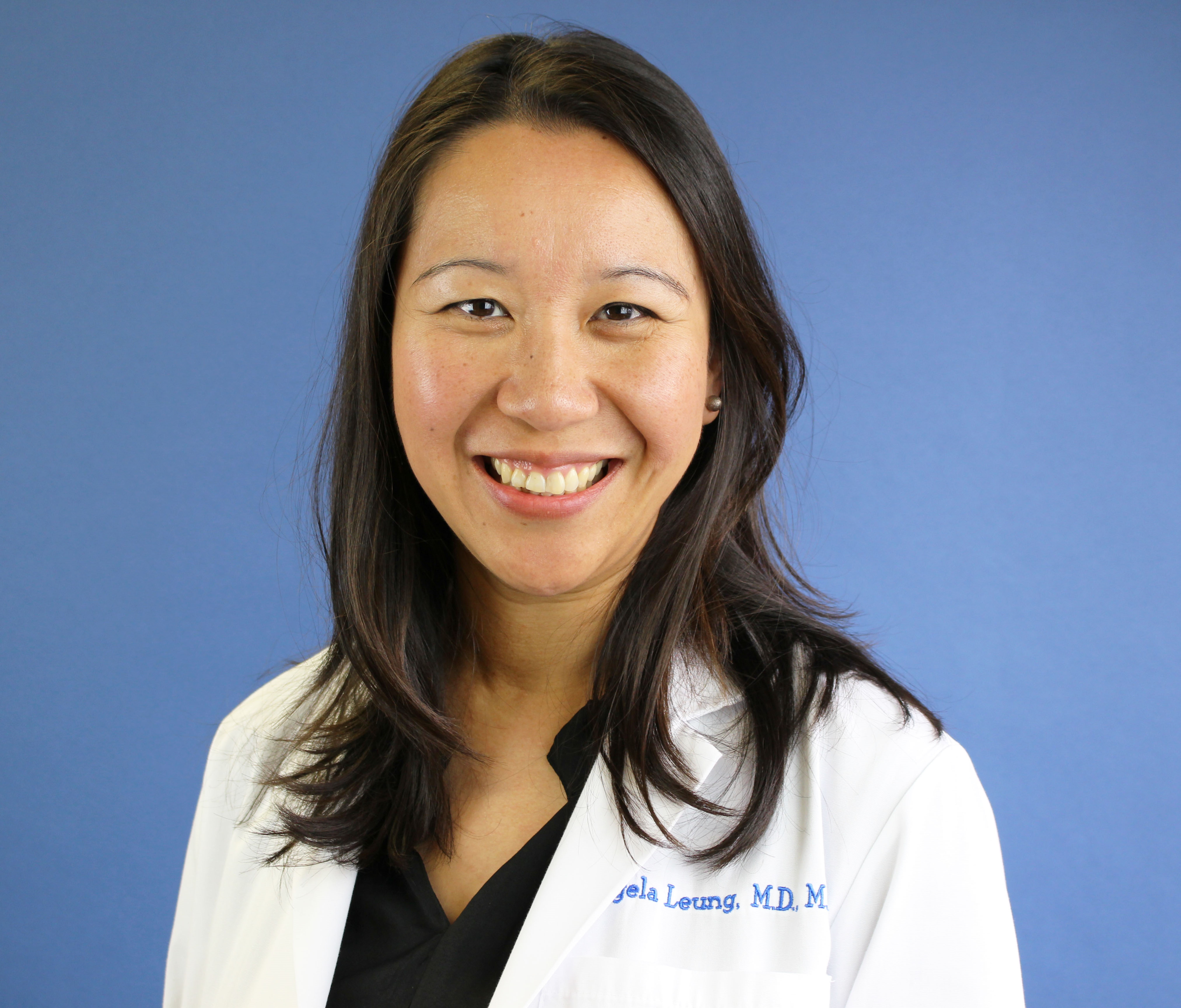
Angela M. Leung United States

Dr. Angela M. Leung is Associate Professor of Medicine in the Division of Endocrinology, Diabetes, and Metabolism, Department of Medicine, at the University of California Los Angeles David Geffen School of Medicine and the Veterans Affairs Greater Los Angeles Healthcare System. Dr. Leung received her medical degree and completed her internship and internal medicine residency from the Boston University School of Medicine and Boston Medical Center; her clinical and research fellowships from its Section of Endocrinology, Diabetes and Nutrition; and a Master of Science in epidemiology from the Boston University of Public Health. Her research interests are in thyroid disease, iodine status, maternal-fetal thyroid health, and environmental thyroid toxicants, having authored over 140 articles, reviews, book chapters, editorials. She has served on the American Thyroid Association board of directors, as editor-in-chief of Clinical Thyroidology, and is past-chair of American Thyroid Association Women in Thyroidology. Dr. Leung is currently on the Endocrine Society board of directors and has served in study section and other committees of the National Institutes of Health, the American Association of Clinical Endocrinologists, and the U.S. Environmental Protection Agency. She was a member of the jointly developed American Thyroid Association and the European Thyroid Association Thyroid Eye Disease Consensus Statement, the American Thyroid Association 2025 Differentiated Thyroid Cancer guidelines, and is Co-Chair of the American Thyroid Association 2026 Thyroid and Pregnancy guidelines.

21 MARCH

Time Session
13:30
15:00
  • Angela M. LeungUnited States Speaker Key Highlights of the American Thyroid Association Thyroid and Pregnancy GuidelinesThis session will present the key highlights of the American Thyroid Association 2026 guidelines for thyroid disease in preconception, pregnancy, and postpartum that have been published by a multidisciplinary group of experts with global perspective. The discussion will provide an overview of the methodology used to prepare these updated guidelines in partnership with and endorsed by several other collaborating societies. The presentation will cover the most notable changes and new recommendations surrounding thyroid function testing, iodine nutrition, infertility and assisted reproductive techniques, hypothyroidism, hyperthyroidism (including Graves’ disease), thyroid nodules, and thyroid cancers for women planning pregnancy, are pregnant, or seen for postpartum care.Thyroid Risks of Iodine ExcessIodine is a micronutrient that is required for the production of thyroid hormone. Iodine is commonly obtained from consuming an iodine-rich diet or iodine-fortified foods, amiodarone use, iodine-containing supplements, and iodinated contrast media. This session will review the potential forms of thyroid dysfunction arising from an acute iodine load, due to the failure to escape from the Wolff-Chaikoff effect and to the Jod-Basedow phenomenon. The risks of iodine excess in vulnerable populations, and current guidelines regarding the screening and monitoring of iodinated contrast-induced thyroid dysfunction, will be summarized.
  • Marjorie A. RamosPhilippines Speaker Precision Medicine in Gestational Thyroid Disease: Taking Care of Mother and BabyPrecision medicine is revolutionizing the management of thyroid disorders in pregnancy by emphasizing individualized diagnosis, trimester-specific reference ranges, and tailored treatment strategies. Thyroid dysfunction is the second most common endocrine abnormality during gestation which poses significant risks to both maternal and fetal health, including miscarriage, preterm delivery, and impaired neurodevelopment. Guidelines now emphasize routine screening in high-risk populations, with tailored management protocols based on trimester-specific TSH and free T4 targets. For hypothyroidism, levothyroxine therapy is initiated early and titrated to maintain TSH in the lower half of the trimester-specific reference range, while hyperthyroidism is managed with antithyroid drugs at the lowest effective dose to minimize fetal risks. Recent updates to clinical guidelines highlight recommendations, including the importance of shared decision-making for women with Graves’ disease, and a shift from antibody-based to timing-based criteria for the treatment of subclinical hypothyroidism. These updates reflect evolving evidence from large randomized trials and systematic reviews, underscoring the need for flexibility and individualization in clinical practice. Future directions in precision medicine include the integration of genetic and molecular profiling to predict disease risk, response to therapy, and long-term outcomes. Machine learning and artificial intelligence are also being explored to enhance diagnostic accuracy and personalize prevention strategies for high-risk subgroups. By combining cutting-edge diagnostics with tailored therapeutic interventions, precision medicine aims to maximize maternal and fetal well-being, reduce adverse outcomes, and improve the overall quality of care for pregnant women with thyroid disorders. This presentation will review the latest evidence, guideline updates, and future innovations in precision medicine for gestational thyroid disease, providing clinicians with practical tools and insights for optimizing patient management in clinical practice and research settings
  • Fan-Fen WangTaiwan Speaker Iodine Status in Pregnant Women in TaiwanIn the 1940’s, endemic goiter was the fifth most common disease in Taiwan. Then, in 1967, an island-wide salt-iodization campaign using 33 ppm potassium iodate was started. Four years after implementation of the campaign, goiter rates among schoolchildren had decreased from 21.6% to 4.3%, suggesting successful elimination of iodine deficiency. However, the mandatory salt iodization policy was discontinued in 2002. In recent surveys, the iodine nutrition status of the overall Taiwanese population has been found to be sufficient, but is at borderline level in pregnant women. Socioeconomic, environmental factors contribute to the incident iodine deficiency in subgroups. While about 92% of pregnant women in Taiwan take nutritional supplements, only about 49% take iodine-containing multi-vitamins. The iodine content of daily meals in Taiwan is currently under investigation, to support targeted dietary education and food fortification programs, which are indicated to improve the iodine status of pregnant women in Taiwan.
101
17:30
18:00
Thyroid
  • Angela M. LeungUnited States Speaker Key Highlights of the American Thyroid Association Thyroid and Pregnancy GuidelinesThis session will present the key highlights of the American Thyroid Association 2026 guidelines for thyroid disease in preconception, pregnancy, and postpartum that have been published by a multidisciplinary group of experts with global perspective. The discussion will provide an overview of the methodology used to prepare these updated guidelines in partnership with and endorsed by several other collaborating societies. The presentation will cover the most notable changes and new recommendations surrounding thyroid function testing, iodine nutrition, infertility and assisted reproductive techniques, hypothyroidism, hyperthyroidism (including Graves’ disease), thyroid nodules, and thyroid cancers for women planning pregnancy, are pregnant, or seen for postpartum care.Thyroid Risks of Iodine ExcessIodine is a micronutrient that is required for the production of thyroid hormone. Iodine is commonly obtained from consuming an iodine-rich diet or iodine-fortified foods, amiodarone use, iodine-containing supplements, and iodinated contrast media. This session will review the potential forms of thyroid dysfunction arising from an acute iodine load, due to the failure to escape from the Wolff-Chaikoff effect and to the Jod-Basedow phenomenon. The risks of iodine excess in vulnerable populations, and current guidelines regarding the screening and monitoring of iodinated contrast-induced thyroid dysfunction, will be summarized.
102

22 MARCH

Time Session
11:00
12:30
Novel Treatment and Diagnostic Approaches for Thyroid Cancer in Post-NGS Era
Angela M. LeungUnited States Moderator Key Highlights of the American Thyroid Association Thyroid and Pregnancy GuidelinesThis session will present the key highlights of the American Thyroid Association 2026 guidelines for thyroid disease in preconception, pregnancy, and postpartum that have been published by a multidisciplinary group of experts with global perspective. The discussion will provide an overview of the methodology used to prepare these updated guidelines in partnership with and endorsed by several other collaborating societies. The presentation will cover the most notable changes and new recommendations surrounding thyroid function testing, iodine nutrition, infertility and assisted reproductive techniques, hypothyroidism, hyperthyroidism (including Graves’ disease), thyroid nodules, and thyroid cancers for women planning pregnancy, are pregnant, or seen for postpartum care.Thyroid Risks of Iodine ExcessIodine is a micronutrient that is required for the production of thyroid hormone. Iodine is commonly obtained from consuming an iodine-rich diet or iodine-fortified foods, amiodarone use, iodine-containing supplements, and iodinated contrast media. This session will review the potential forms of thyroid dysfunction arising from an acute iodine load, due to the failure to escape from the Wolff-Chaikoff effect and to the Jod-Basedow phenomenon. The risks of iodine excess in vulnerable populations, and current guidelines regarding the screening and monitoring of iodinated contrast-induced thyroid dysfunction, will be summarized.
Pei-Lung ChenTaiwan Moderator Gender-Affirming Hormone Therapy in Taiwan
  • Won Gu KimSouth Korea Speaker Advances in the Treatment of Radioactive Iodine-Refractory Differentiated Thyroid Cancer: Multikinase Inhibitors and Beyond – An Asian PerspectiveDifferentiated thyroid cancer (DTC) arising from follicular cells generally has a good prognosis; however, about 5-10% of patients experience recurrence or distant metastasis. High-dose radioactive iodine (RAI) therapy is the mainstay of treatment for metastatic DTC, but its efficacy depends on the iodine avidity of the tumor. Iodine uptake of metastatic lesions tends to decline over time, and ultimately, around 60-70% of metastatic cases become refractory to RAI therapy. Patients whose metastases remain RAI-avid have a median survival approaching 10 years, whereas those with RAI-refractory disease have a roughly 10% of 10 10-year survival. Because the clinical course of RAI-refractory DTC is variable, it is critical to determine which patients should receive systemic therapy with a tyrosine kinase inhibitor (TKI) and how to integrate local treatment before and during systemic therapy. TKIs such as sorafenib and lenvatinib, which primarily inhibit tumor angiogenesis, have been approved. The DECISION trial reported that sorafenib achieved a median progression-free survival (PFS) of 10.8 months compared with 5.8 months in the control group. The SELECT trial showed that lenvatinib achieved a median PFS of 18.3 months versus 3.6 months in controls. Based on these results, sorafenib and lenvatnib are now widely used as the first-line treatments for patients with RAI-refractory DTC who have progressive or symptomatic metastatic disease. A recent multi-center real-world study in Korea suggested that lenvatinib provides better efficacy and longer PFS (median 35.3 months) than sorafenib (median 13.3 months, p<0.001). However, lenvatinib is also associated with higher rates of adverse events such as hypertension (95%) and proteinuria (80%). These TKIs show activity irrespective of the underlying genetic alterations that drive thyroid cancer. Recently, selective NTRK and RET inhibitors have been developed for solid tumors harboring NTRK or RET gene fusions, and their efficacy has been confirmed in clinical trials. In addition, genetic testing to identify actionable mutations is increasingly being incorporated into practice, and personalized treatment approaches are reflected in current clinical guidelines. A recent Korean multicenter study found that approximately 31% of patients with RAI-refractory thyroid cancer who had wild-type BRAF carried targetable gene fusions. The choice and sequencing of TKI, the optimal timing of their use, strategies to prevent and manage adverse events, and individualized treatment plans based on patient characteristics will be crucial for improving clinical outcomes in patients with RAI-refractory thyroid cancer.
  • Young Joo ParkSouth Korea Speaker Translating the Genetic Landscape of Thyroid Cancer to Precision Diagnosis and TherapyThyroid cancer is characterized by a relatively low mutational burden compared with other solid tumors, with recurrent alterations mainly involving BRAF, RAS, and various fusion genes. Several novel driver candidates have also been identified through next-generation sequencing studies. The frequency and pattern of these genomic alterations differ across thyroid cancer subtypes and are often associated with distinct histopathological phenotypes, providing valuable clues for differential diagnosis. Moreover, molecular subtypes defined by driver mutations are closely linked to tumor biology and clinical behavior, allowing more accurate prediction of disease aggressiveness and prognosis. Most differentiated thyroid cancers (DTCs) harbor a single dominant driver alteration; however, acquisition of additional mutations such as TERT promoter, tumor suppressor genes, or PI3K–AKT pathway alterations may lead to dedifferentiation and progression to aggressive or metastatic disease. Advances in our understanding of these genetic alterations have refined the pathological classification of thyroid cancer and enabled improved prognostication, treatment selection, and follow-up strategies. Importantly, the identification of actionable genetic alterations—including RET and NTRK fusions, as well as BRAF mutations—has revolutionized therapeutic approaches. Targeted agents such as selpercatinib, pralsetinib, larotrectinib, and entrectinib demonstrate substantial clinical efficacy with fewer adverse events than multikinase inhibitors, while dabrafenib plus trametinib has shown marked benefit in anaplastic thyroid cancer. With multiple targetable mutations being uncovered, incorporating comprehensive genomic testing into the diagnostic workflow is essential to guide precision therapy for patients with thyroid cancer.
  • He-Jiun JiangTaiwan Speaker Redifferentiation Strategies in Refractory Thyroid Cancer: First Insights from TaiwanBackground: Patients with BRAF p.V600E-mutated radioactive iodine-refractory differentiated thyroid cancer (RAIR-DTC) face a poor prognosis. While MAPK pathway inhibition can restore radioiodine (RAI) avidity, standard full-dose protocols (e.g., MERAIODE) are often associated with significant toxicity (Grade 3/4 adverse events >20%). This study investigates the efficacy and safety of a novel low-dose, pulsed redifferentiation strategy in a real-world Asian cohort. Methods: We conducted a retrospective cohort study of 24 patients with metastatic BRAF p.V600E RAIR-PTC. Patients received a 60-day induction regimen of Dabrafenib (75 mg BID) and Trametinib (2 mg QOD, every other day). A "Treat-All" strategy was employed, omitting diagnostic scanning to avoid stunning effects, followed by a fixed therapeutic dose of 131-I (150-200 mCi). Primary endpoints included RAI uptake restoration, objective response rate (ORR), disease control rate (DCR), and safety profile. Results: RAI avidity was restored in 83.3% of patients. The regimen demonstrated an exceptional safety profile without Grade 3/4 adverse events. While the ORR was 16.7%, the DCR reached 83.3% at 6 months. Age <55 years was identified as the most significant predictor for objective tumor regression (p=0.007). Furthermore, the study highlights the clinical value of "TKI-Free Survival," with 88.9% of prior TKI users achieving a sustained drug holiday. Conclusion: The low-dose, pulsed BRAF/MEK inhibition protocol offers a highly tolerable and effective redifferentiation strategy. While tumor shrinkage is less pronounced than with full-dose regimens, the high rate of disease control and excellent safety profile make it a viable option for stabilizing disease and improving quality of life, particularly for younger patients (<55) or those intolerant to standard TKI therapy.
201BC