Naoko InoshitaDr. Japan
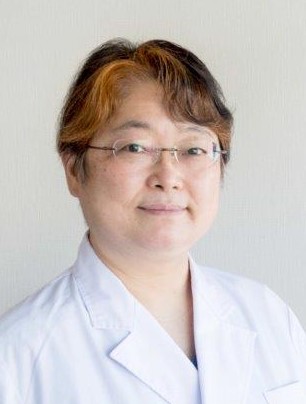
Naoko Inoshita, MD, PhD, is a general and clinical pathologist who leads hospital-based diagnostic services in Tokyo, covering surgical and cytopathology, intraoperative consultations, and multidisciplinary conferences. While she has particular expertise in pituitary and neuroendocrine tumors (PitNETs), her day-to-day practice remains broad and patient-centered.
She trained extensively in gastrointestinal and urologic pathology at the Cancer Institute Hospital of JFCR and at Toranomon Hospital, experiences that continue to inform her approach to complex differential diagnoses and practical, timely reporting. Her current interests include real-world classification of PitNETs, interpretation of transcription factor and neuroendocrine markers, and clinicopathological integration to guide therapy and follow-up. In parallel, she conducts anatomical inquiries into the hypothalamic–pituitary axis, aiming to connect structural insights with clinical and pathological findings.
She serves on the boards of The Japan Endocrine Society (JES), the Japan Endocrine Pathology Society (JEPS), and The Japanese Society for Hypothalamic and Pituitary Tumors. In education and mentoring, she collaborates closely with clinicians to ensure pathology findings translate into actionable clinical decisions.
21 MARCH
| Time | Session |
|---|---|
|
13:30
15:00
|
Consensus in Pituitary Pathology
201AF
|
22 MARCH
| Time | Session |
|---|---|
|
14:00
15:30
|
Acromegaly
Naoko InoshitaJapan
Moderator
Consensus in Pituitary Pathology: Impact after New Classification for JapanIn Japan, the brain tumor handling rules are essentially based on the WHO classification. However, the introduction of the term pituitary neuroendocrine tumour (PitNET) has occasionally led to misunderstanding in clinical practice, particularly regarding the implication of malignancy.
In this lecture, I will present a consensus-oriented approach in pituitary pathology, focusing on practical strategies developed through multidisciplinary collaboration for the benefit of clinicians and patients. First, I will show how the addition of touch smear cytology to frozen section diagnosis during surgery can improve the accuracy of margin assessment and increase the likelihood of achieving the intended surgical goal, including adequate removal of hormone-producing tumours. Second, I will emphasize that truly malignant PitNETs are extremely rare, and that the term “NET” should not be equated with malignancy. Third, I will discuss the well-known discrepancy between hormone immunohistochemistry and clinical functionality, highlighting the importance of careful pathological interpretation.
These perspectives reflect our pathology team’s commitment to accurate communication and clinically relevant pathological diagnosis.
Szu-Tah ChenTaiwan
Moderator
The Impact of the 2022 WHO PitNET Classification to the Clinical Practitioners. Does Silence Equal Acceptance?The 2022 World Health Organization (WHO) Classification of Endocrine and Neuroendocrine Tumors redefined pituitary adenomas as pituitary neuroendocrine tumors (PitNETs) within the International Classification of Diseases for Oncology, 3rd Edition (ICD-O/3). This change reflects updated insights into tumor biology, recognizing a spectrum of clinical behaviors beyond the traditionally benign designation.
A narrative review of the WHO 2022 classification updates was conducted, focusing on their clinical, diagnostic, and epidemiologic implications for practitioners in endocrinology, neurosurgery, and oncology.
The reclassification emphasizes the potential for variability in tumor aggressiveness, recurrence, and invasiveness. Clinically, this shift necessitates more careful risk stratification, closer follow-up in selected cases, and a reassessment of treatment algorithms. From a reporting perspective, ICD-O/3 alignment may affect cancer registry data and epidemiologic tracking, altering disease burden estimates. Importantly, the new terminology presents challenges in patient communication, as the label “neuroendocrine tumor” may cause undue anxiety despite the indolent nature of most PitNETs.
The WHO 2022 reclassification of pituitary adenomas as PitNETs represents a significant change for clinical practice. While it enhances awareness of potential aggressive behavior, it also requires balanced application in patient care to avoid overtreatment and misperceptions. Practitioners must adapt by refining diagnostic vigilance, tailoring follow-up strategies, and delivering clear patient-centered communication.
201DE
|