Siew Hui FooDr. Malaysia
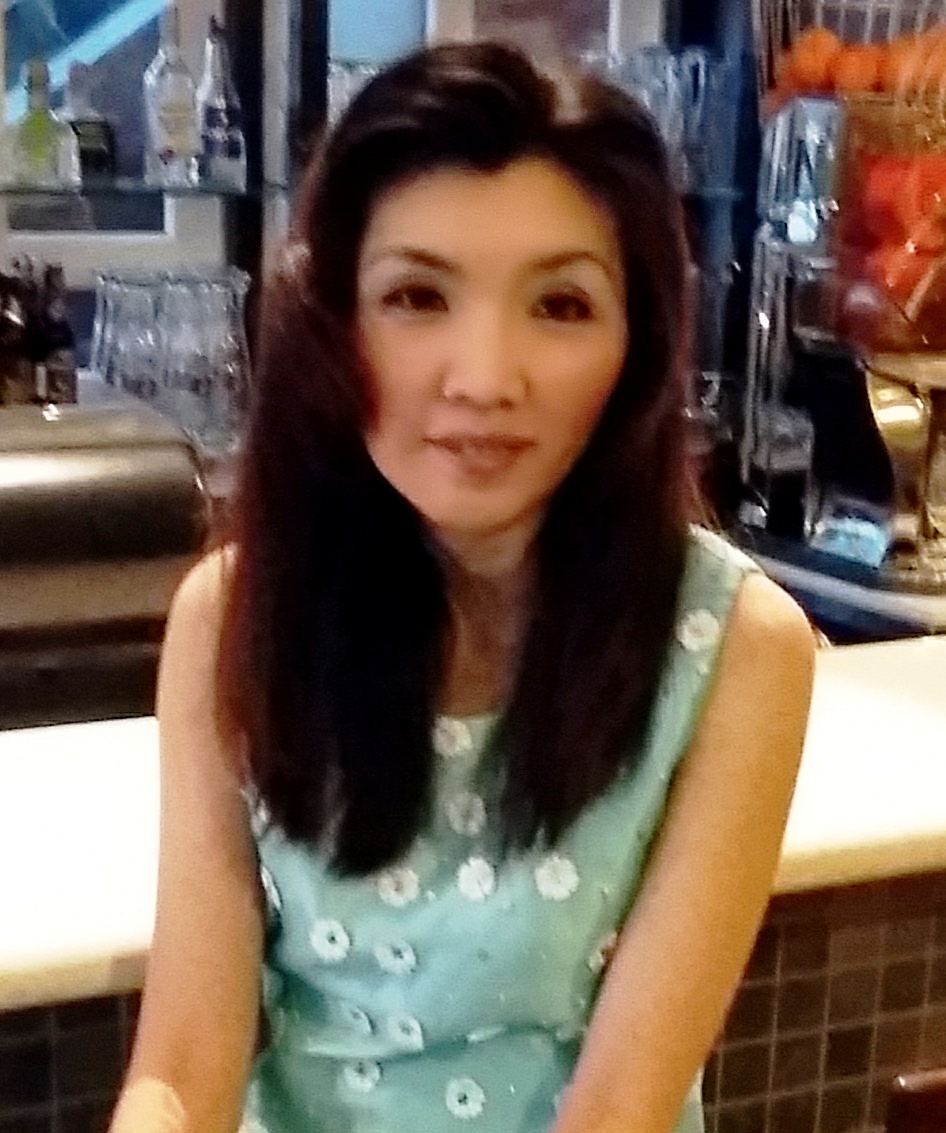
Dr Foo Siew Hui is the Head of Endocrine Unit at Selayang Hospital. She is also practicing as a visiting Consultant Endocrinologist at Subang Jaya Medical Centre.
Dr Foo completed her basic medical degree in 1999 with Bachelor of Medicine & Surgery (MBBS, 1st class honours) at University of Sydney, Australia. She started working in 2000 as a house officer at Kuala Lumpur Hospital followed by medical officer at Selayang Hospital from 2001.
After obtaining her MRCP from United Kingdom in 2004, Dr Foo served as a clinical specialist in internal medicine at Selayang Hospital. She later underwent her subspecialty training in Endocrinology in 2006 and obtained the Fellowship in Endocrinology in 2009. She started the endocrine service at Selayang Hospital in 2010 and has been the head of the Endocrine Unit since.
Apart from clinical work, Dr Foo has been involved in various industry-sponsored and investigator initiated clinical research in the field of endocrinology, diabetes and cardiovascular disease since 2005 including EMPAREG-Outcome, EXSCEL etc. She has publications in various local, regional & international journals. She has also presented research papers in local and regional conferences.
Starting from 2014, Dr Foo has been engaged as a trainer for the Ministry of Health Endocrinology Subspecialty Fellowship training. She is also a member of the task force for National Practical Guide of Insulin Treatment, National Practical Guide for Inpatient Glycemic Management, Malaysia Clinical Practice Guideline for Thyroid Disorders and the Malaysia Clinical Practice Guideline for Management of Type 2 Diabetes.
Dr Foo has been serving in the executive council since 2018 and is currently the Honorary Secretary of the Malaysian Endocrine & Metabolic Society (MEMS). She has been actively involved in the MEMS annual congress as faculty member as well as organizing committee. She is committed in continuous medical education by delivering lectures, workshops, seminars etc. at the state, national and regional level. She has also been involved in public health education via public forum through the mass media.
22 MARCH
| Time | Session |
|---|---|
|
14:00
15:30
|
Digital Endocrinology, Wearables, and Future Therapeutics in Asia
Yi-Sun YangTaiwan
Moderator
Impaired Fasting Glucose and Musculoskeletal DisordersThe Continuum of Glycemic Dysregulation and Musculoskeletal Health: From Impaired Fasting Glucose to Established Diabetes. As the global medical community transitions into the "Next ERA" of endocrinology, there is an urgent need to broaden our focus beyond traditional microvascular and macrovascular complications toward the pervasive, yet often neglected, musculoskeletal (MS) burden associated with dysglycemia. While the debilitating effects of established Type 2 Diabetes Mellitus (T2DM) on physical function are well-documented, emerging clinical evidence suggests that the musculoskeletal system is an early "silent" target of metabolic injury, with pathological changes manifesting as early as the Impaired Fasting Glucose (IFG) stage. This presentation explores the MS burden across the full glycemic spectrum, highlighting how the transition from normoglycemia to IFG, and ultimately to T2DM, correlates with a progressive increase in chronic pain, structural tissue damage, and functional disability.
103
|