
Sang Ouk ChinDr. Canada
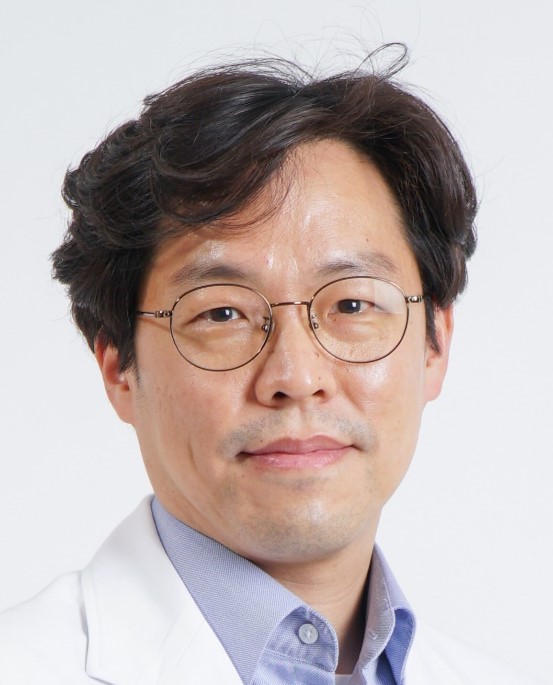
2003-03 ~ 2004-02: Internship at Kyung Hee University Hospital, Seoul, Korea
2004-05 ~ 2007-04: Military service (Republic of Korea Army)
2007-05 ~ 2011-02: Residency in Department of Internal Medicine, Kyung Hee University Hospital, Seoul, Korea
2011-03 ~ 2013-02: Clinical and Research Fellow in Department of Endocrinology and Metabolism, Kyung Hee University Hospital, Seoul, Korea
2013-03 ~ 2014-08: Clinical Assistant Professor in Department of Endocrinology and Metabolism, Kyung Hee University Hospital, Seoul, Korea
2014-09 ~ 2016-02: Clinical Professor in Department of Internal Medicine, Jeju National University Hospital, Jeju, Korea
2016-03 ~ 2017-02: Assistant Professor in Department of Internal Medicine, Jeju National University School of Medicine, Jeju, Korea
2017-03 ~ 2018-04: Clinical Assistant Professor in Department of Endocrinology and Metabolism, Kyung Hee University Hospital, Seoul, Korea
2018-05 ~ 2022-08: Assistant Professor in Department of Endocrinology and Metabolism, Kyung Hee University College of Medicine, Seoul, Korea
2022-04 ~ 2023-03: Visiting Professor in Division of Endocrinology and Metabolism, Department of Medicine, University of Alberta, Edmonton, Alberta, Canada
2022-09 ~ 2025-11: Associate Professor in Department of Endocrinology and Metabolism, Kyung Hee University College of Medicine, Seoul, Korea
2026-01 ~ present: Associate Professor in Division of Endocrinology and Metabolism, Department of Medicine, Queen’s University School of Medicine, Kingston, Ontario, Canada
21 MARCH
| Time | Session |
|---|---|
|
13:30
15:00
|
Neuroendocrine Tumors
Shyang-Rong ShihTaiwan
Moderator
The impact of mutational status on the heterogeneity of MEN1Multiple Endocrine Neoplasia type 1 (MEN1) is a rare syndromic disease primarily characterized by parathyroid adenomas, duodenopancreatic neuroendocrine neoplasms (dpNENs), and pituitary neuroendocrine tumors (pitNETs). Although over 750 germline MEN1 mutations have been identified, there is no definitive genotype-phenotype correlation, and specific mutations cannot reliably predict clinical presentations. However, the overall presence or absence of a germline mutation fundamentally alters the disease trajectory. This presentation investigates the clinical heterogeneity between germline mutation-positive (GP-MEN1) and mutation-negative (GN-MEN1) patients.
Approximately 10-30% of patients meeting clinical MEN1 criteria are GN-MEN1, which may represent phenocopies (e.g., MEN4, MEN5) or sporadic co-occurrences. Distinct clinical disparities exist between the two cohorts. GP-MEN1 patients exhibit an earlier median onset (33-35 years), aggressive and multiglandular disease, and a high probability of developing a third cardinal tumor, leading to a poorer prognosis. Conversely, GN-MEN1 patients present significantly later (46-52 years), rarely develop a third cardinal tumor, and experience a more indolent course with a life expectancy comparable to the general population.
In a cohort analysis from National Taiwan University Hospital (NTUH), the paradigm of pitNETs in MEN1 has shifted towards non-functioning microadenomas due to modern screening. GP-MEN1 patients with pitNETs were diagnosed at a younger age, showed higher sellar floor involvement, and had a higher prevalence of adrenal tumors and non-functioning GEP-NENs. In contrast, GN-MEN1 patients were older and more frequently presented with insulinomas.
In conclusion, germline mutational status is a critical determinant of MEN1 clinical heterogeneity. Genetic testing is essential not only for confirming diagnoses and facilitating targeted therapies but also for exonerating non-carriers. Although current guidelines recommend uniform surveillance for all MEN1 diagnostic categories, the distinctively indolent phenotype of GN-MEN1 suggests that a modified, de-escalated surveillance approach may be more appropriate and warrants further formal investigation.
201BC
|