
Ichiro Yamauchi Japan
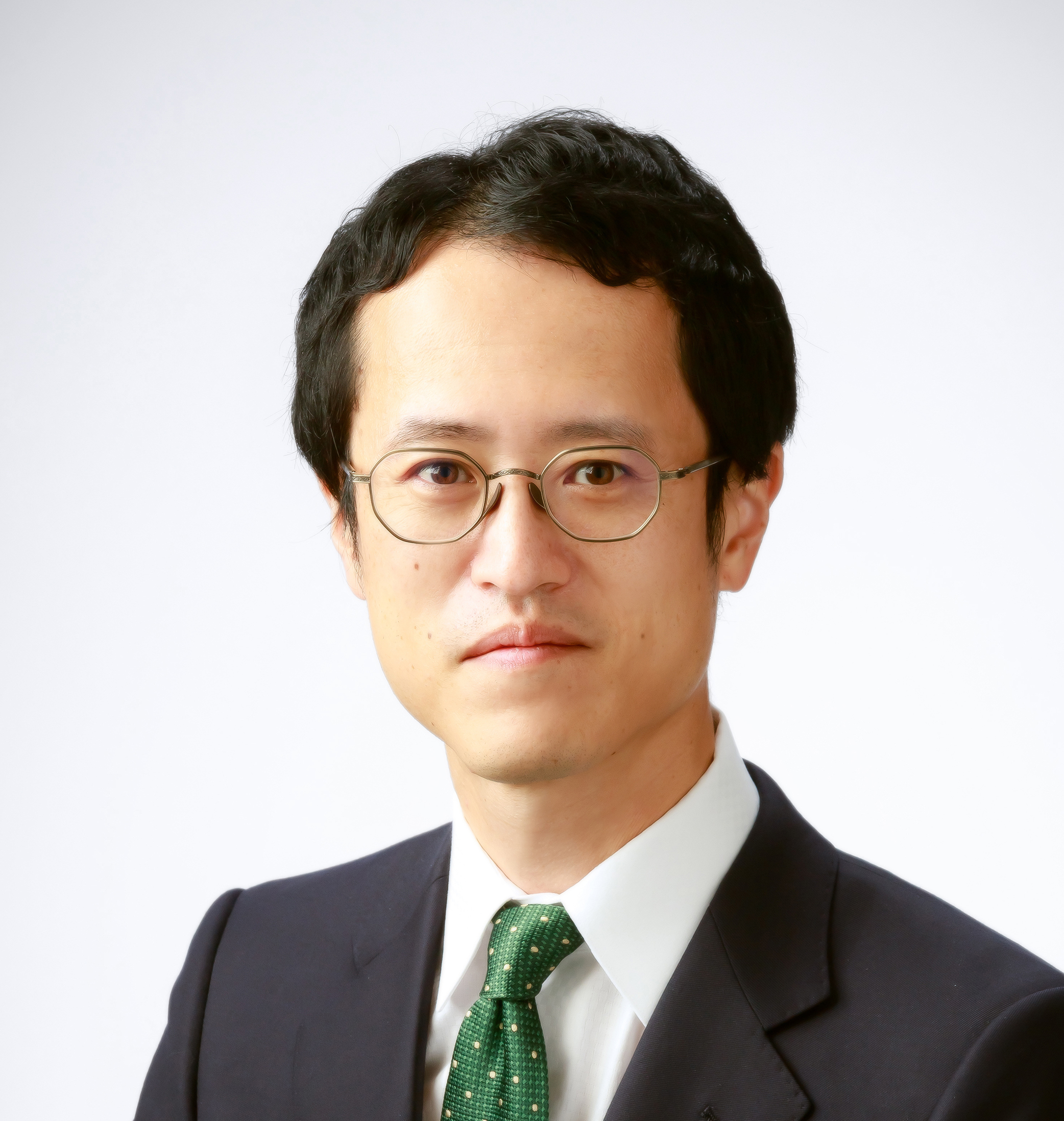
Dr. Ichiro Yamauchi is an Assistant Professor in the Department of Diabetes, Endocrinology and Nutrition at Kyoto University Graduate School of Medicine, Japan. He is a physician-scientist whose research focuses on thyroid physiology, integrating basic, translational, and clinical research approaches. His work has primarily explored the regulation of thyroid hormone action and the mechanisms of thyroid hormone secretion, using transcriptomic analyses and multi-organ evaluation systems for thyroid hormone signaling in mouse models. In addition to thyroid physiology, Dr. Yamauchi has contributed to research on endocrine disorders, including immune checkpoint inhibitor–related endocrine adverse events, genetic metabolic diseases, and endocrine therapeutics. His work has been recognized with several honors, including the Research Award from the Japan Endocrine Society and the Shichijo Prize from the Japan Thyroid Association. He plays active roles in the Japan Endocrine Society, particularly in clinical education, and serves as a director of the Japan Thyroid Association and as a coordinator of the NexT-JTA project, promoting collaboration among the next generation of thyroid researchers.
20 MARCH
| Time | Session |
|---|---|
|
13:50
15:20
|
Thyroid Eye Disease Management
Shyang-Rong ShihTaiwan
Moderator
The impact of mutational status on the heterogeneity of MEN1Multiple Endocrine Neoplasia type 1 (MEN1) is a rare syndromic disease primarily characterized by parathyroid adenomas, duodenopancreatic neuroendocrine neoplasms (dpNENs), and pituitary neuroendocrine tumors (pitNETs). Although over 750 germline MEN1 mutations have been identified, there is no definitive genotype-phenotype correlation, and specific mutations cannot reliably predict clinical presentations. However, the overall presence or absence of a germline mutation fundamentally alters the disease trajectory. This presentation investigates the clinical heterogeneity between germline mutation-positive (GP-MEN1) and mutation-negative (GN-MEN1) patients.
Approximately 10-30% of patients meeting clinical MEN1 criteria are GN-MEN1, which may represent phenocopies (e.g., MEN4, MEN5) or sporadic co-occurrences. Distinct clinical disparities exist between the two cohorts. GP-MEN1 patients exhibit an earlier median onset (33-35 years), aggressive and multiglandular disease, and a high probability of developing a third cardinal tumor, leading to a poorer prognosis. Conversely, GN-MEN1 patients present significantly later (46-52 years), rarely develop a third cardinal tumor, and experience a more indolent course with a life expectancy comparable to the general population.
In a cohort analysis from National Taiwan University Hospital (NTUH), the paradigm of pitNETs in MEN1 has shifted towards non-functioning microadenomas due to modern screening. GP-MEN1 patients with pitNETs were diagnosed at a younger age, showed higher sellar floor involvement, and had a higher prevalence of adrenal tumors and non-functioning GEP-NENs. In contrast, GN-MEN1 patients were older and more frequently presented with insulinomas.
In conclusion, germline mutational status is a critical determinant of MEN1 clinical heterogeneity. Genetic testing is essential not only for confirming diagnoses and facilitating targeted therapies but also for exonerating non-carriers. Although current guidelines recommend uniform surveillance for all MEN1 diagnostic categories, the distinctively indolent phenotype of GN-MEN1 suggests that a modified, de-escalated surveillance approach may be more appropriate and warrants further formal investigation.
101
|